



The Trump administration is exploiting last week’s shooting involving a former Afghan security official to justify a sweeping crackdown on asylum and immigration, including suspending all asylum claims and launching retroactive reviews for people from 19 high-risk countries. This escalating policy shift, characterised by Homeland Security rhetoric about foreign invaders, is facing criticism for being deeply xenophobic and ignoring the root causes of global migration.
“It’s really a form of collective punishment”
Since last week’s shooting of two National Guard members in the nation’s capital — carried out by an Afghan national — the Trump administration has announced a flurry of policies aimed at making it harder for some foreigners to enter… pic.twitter.com/ClPMWzMgHj
— TRT World (@trtworld) December 3, 2025
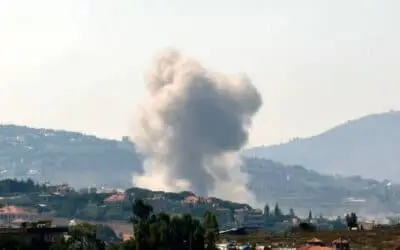
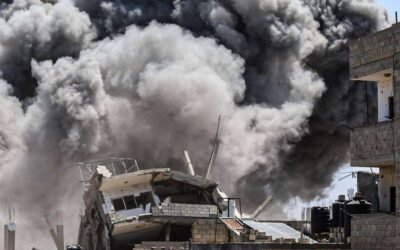
The core of the issue is that many states now facing restrictions, including Afghanistan, Libya, Yemen, and Venezuela, are places the U.S. and its Western allies have historically destabilised through military intervention and regime change attempts.
Critics argue that the West is now shirking its moral responsibility by turning away refugees from the broken states it helped destroy. The policy is hazardous for former Afghan security partners, whose deportation to the Taliban regime could amount to a death sentence. With Mr Trump’s history of anti-migrant rhetoric and the exclusion of non-white migrants, critics contend the new stance is heavily “coloured by racism,” blaming people of colour for domestic failings while conveniently overlooking Western accountability.
The @USNationalGuard shooting was a terrorist action that was a direct result of unchecked and unvetted migration from Afghanistan. We are taking decisive action – all final decisions for asylum have been shut down, we’ve paused adjudication of immigrant and non immigrant… pic.twitter.com/eXxljQWF5g
— USCIS (@USCIS) December 5, 2025
In conclusion, the Trump administration’s dramatic tightening of asylum and immigration rules, spurred by a recent shooting, faces severe criticism for being both short-sighted and deeply unjust. By targeting individuals from nations that the U.S. and its allies destabilised through years of military intervention, the policy ignores the fundamental moral responsibility owed to these asylum seekers. This aggressive, xenophobic stance not only risks the lives of collaborators who once aided the U.S. but also sets a dangerous precedent, prioritising fear and political blame over basic humanitarian obligations to the people displaced by Western actions.
You May Like To Read: Strategic Briefing: Apple’s AI Reboot, and 2026 Strategy