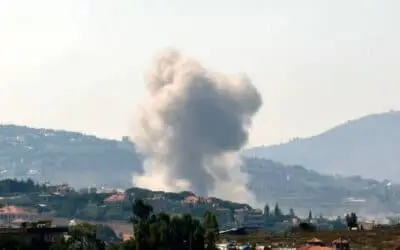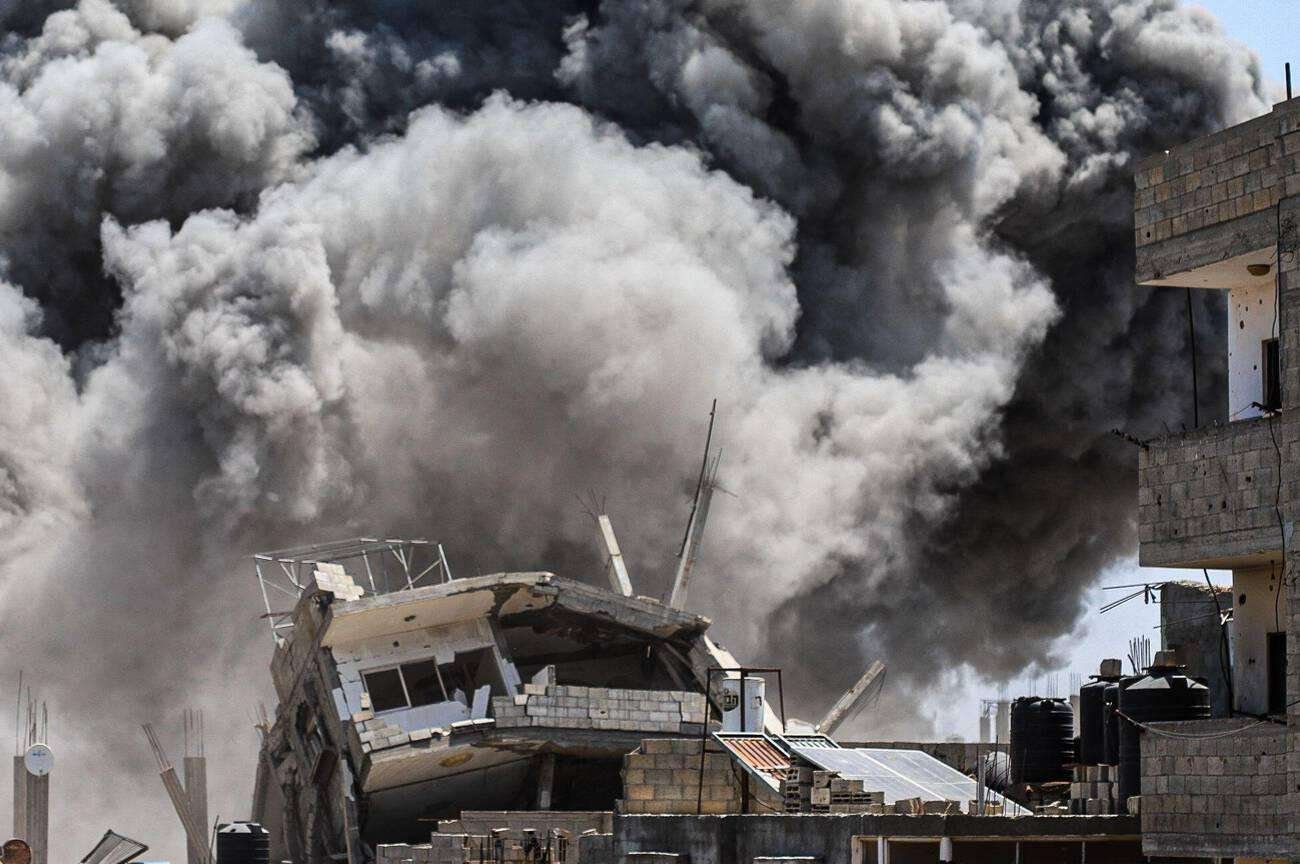




Intensified Israeli military strikes and ongoing ground operations in the Gaza Strip have resulted in the deaths of more than 35 people since Saturday morning, according to hospital sources in the territory. The continued military pressure coincides with renewed international calls for a ceasefire and the emergence of a new US-led 21-point peace plan aimed at securing a resolution to the conflict.
Civilian Casualties and Dire Humanitarian Conditions
The latest reports from health officials detail devastating consequences for Gaza’s civilian population. Fatalities from Israeli strikes and gunfire include significant losses of women and children:
- A strike on a house in central Gaza killed at least 11 people, with more than half of the victims identified as women and children.
- Nine members of the same family were reported killed in a separate strike on the Nuseirat refugee camp.
- At least six people were killed while attempting to seek vital aid in central and southern Gaza.
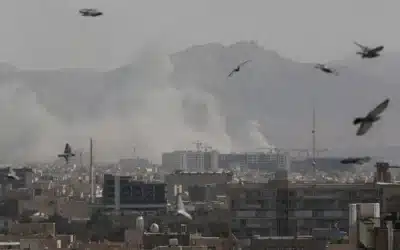
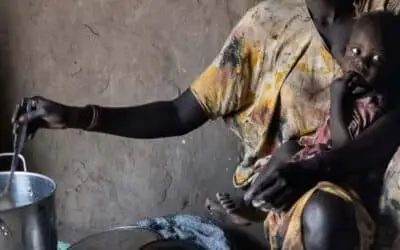
These strikes occurred as the Israeli ground offensive, focused primarily on what the military describes as the last Hamas stronghold in Gaza City, continues without a let-up. Hundreds of thousands of residents have fled the area, yet hundreds of thousands more remain amidst dire humanitarian conditions, including a confirmed famine and the collapse of essential services.
The desperate situation was captured by resident Salwa Subhi Bakr: “They tell us go there, then come back here… People are in the streets, in the south scattered everywhere. Where should we go? What does the world want from us? What does Netanyahu want? What does Hamas want?”
The Israeli Air Force confirmed hitting approximately 120 targets across the Strip since Friday, citing “buildings used by terror groups, terror operatives and other infrastructure.”
You May Like To Read: China, Russia, Iran, and Pakistan Oppose Re-establishment of Foreign Military Bases in Afghanistan
Diplomatic Tensions and the US 21-Point Peace Plan
The escalation follows Israeli Prime Minister Benjamin Netanyahu’s address to the UN General Assembly on Friday, where he stated that Israel “must finish the job” against Hamas. His address was met with a significant walk-out by many delegates in protest. Israel maintains that maximum military pressure is necessary to force Hamas into surrender, despite redoubled international calls for a ceasefire and multiple new recognitions of Palestinian statehood at the UN this week.
In contrast to the military focus, US President Donald Trump has expressed optimism regarding a negotiated solution. His special envoy, Steve Witkoff, has reportedly developed a new 21-point peace plan for the region. Media reports suggest the plan’s key provisions go beyond the immediate goals of:
- The release of all remaining hostages.
- The release of large numbers of Palestinian prisoners.
- An immediate, comprehensive ceasefire.
Crucially, the reported plan also includes a pathway to a future Palestinian state, which Prime Minister Netanyahu strongly rejected during his UN address. Other reported conditions include:
- A commitment for Hamas to disarm.
- The full demilitarisation of Gaza.
- The establishment of a process to de-radicalise the population.
This diplomatic divergence sets the stage for a critical meeting between President Trump and Prime Minister Netanyahu on Monday, where the US leader’s optimism regarding the peace plan may receive a reality check.
The current conflict was initiated by Israel’s campaign in response to the Hamas-led attack on southern Israel on October 7, 2023. According to the Hamas-run health ministry, at least 65,549 people have been killed in Israeli attacks in Gaza since that date.
You May Like To Read: Pakistan and United States Forge New Strategic Partnership
Conclusion
As the two-year anniversary of the October 7th attacks approaches, the conflict remains at a dangerous crossroads, defined by high military pressure, catastrophic humanitarian conditions in Gaza, and competing diplomatic visions for a resolution. The viability of the reported US peace framework rests heavily on the willingness of both the Israeli government and Hamas to make concessions far exceeding those committed to thus far.
You May Like To Read: UN Sanctions Set to Snap Back on Iran After Diplomatic Efforts Fail