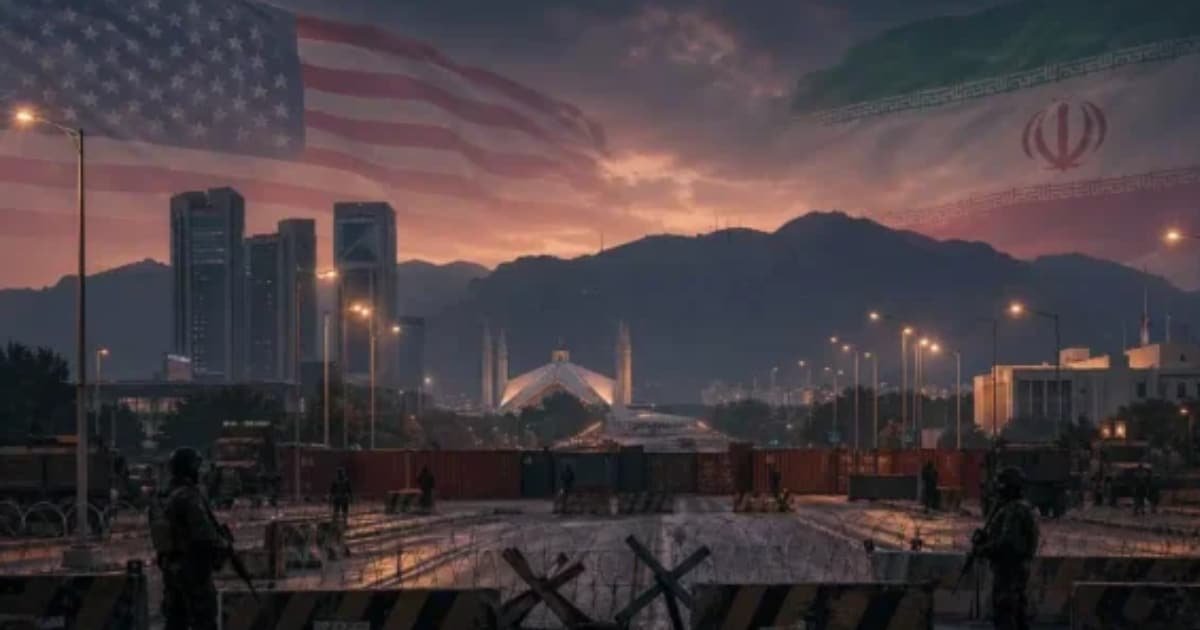





Two months after the onset of the US-Israel-Iran conflict, the fragile April 8 ceasefire is fraying. With negotiations stalled and the Strait of Hormuz remaining a high-stakes bargaining chip, global energy markets are witnessing extreme volatility, with Brent crude hitting a four-year peak of $126 per barrel before settling near $111. While the world hoped the “Islamabad Thaw” would lead to a swift peace, the reality on the ground—and in the Situation Room—is proving far more complex.
The “Economic Chicken” Game
The tension has shifted from open warfare to a grueling game of geopolitical “chicken.”
-
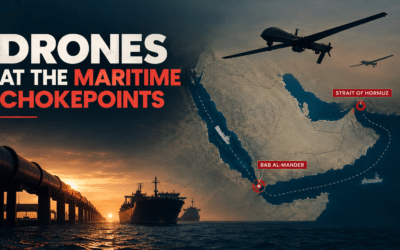
The Blockade: Iran maintains its grip on the Strait of Hormuz—the world’s most vital energy artery—arguing it is a necessary counter-move to the U.S. naval blockade of its crude exports.
-
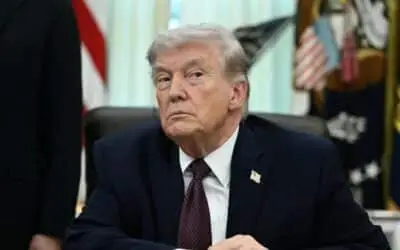
The “Final Blow” Briefing: Reports from Fox News and Axios indicate that CENTCOM Commander Admiral Brad Cooper has briefed President Trump on “final blow” strike options, including the use of hypersonic “Dark Eagle” missiles and B-1B Lancer bombers, should diplomatic efforts collapse.
-
The U.S. Deadline: Friday marks a significant marker for the 1973 War Powers Resolution, with the administration suggesting hostilities have technically “terminated” due to the April truce, even as military planners keep strike options primed.
The Pentagon is lying. Netanyahu’s gamble has directly cost America $100b so far, four times what is claimed.
Indirect costs for U.S. taxpayers are FAR higher. Monthly bill for each American household is $500 and rising fast.
Israel First always means America Last. pic.twitter.com/onailLYFdL
— Seyed Abbas Araghchi (@araghchi) May 1, 2026
Regional Frostiness
Trust is currently in short supply across the Middle East.
-
The UAE’s Stance: UAE presidential adviser Anwar Gargash publicly stated that “no unilateral Iranian arrangements” for the Strait can be trusted, citing Tehran’s “treacherous aggression” against neighbors.
-
Tehran’s Defiance: Iran’s UN Envoy Amir-Saeid Iravani has officially demanded full reparations from six Arab nations, including Saudi Arabia, the UAE, and Qatar, for their perceived complicity in the U.S.-Israeli military campaign.
-
France’s Independent Path: Defying the U.S.-led coalition narrative, French Foreign Minister Jean-Noel Barrot confirmed that France is launching a “strictly defensive” maritime mission but will not join a U.S.-led operation, fearing it ties humanitarian de-escalation to American military objectives.
The Lebanese Crisis
You May Like To Read:President and Prime Minister laud Workforce on Labour Day
Check out our latest video: