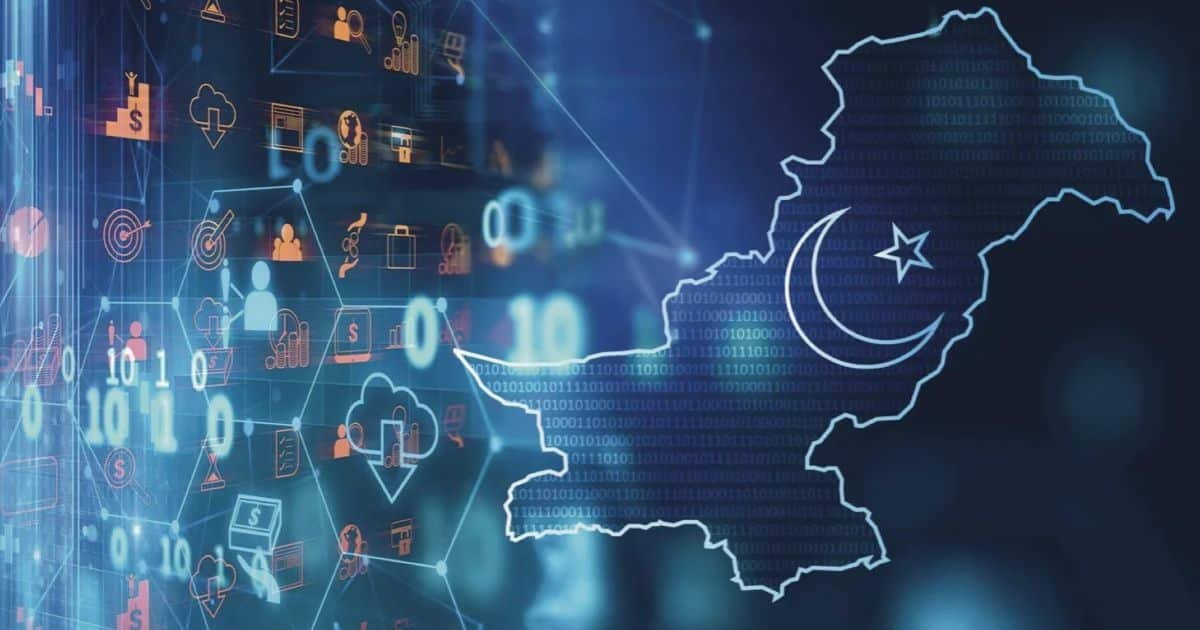





Pakistan’s digital economy shows real potential: young, connected consumers, growing smartphone use and rising online spending. Yet when it comes to digitally delivered exports and participation in global e-commerce supply chains, Pakistan remains a small player, digitally delivered exports account for only about 10 percent of total exports and Pakistan’s share of global digitally delivered exports is still tiny.
You May Like to Read: Digital Economy and IT Exports: The New Frontier for Pakistan’s Trade Balance
How Big is Our E- Commerce Market?
Local estimates put Pakistan’s e-commerce sector in the low billions of dollars, and analysts expect steady growth over the next few years as mobile penetration increases and more businesses sell online. But even with domestic expansion, the market size is modest compared with regional peers, and most growth today serves local consumers rather than linking Pakistani firms into global supply chains.
Structural Problems
Global supply chains prize speed, predictability and low cost. Pakistan’s trade logistics record has lagged. Infrastructure gaps, customs delays, and limited tracking and warehousing capacity raise the cost and time of cross-border shipments. These weaknesses make it hard for exporters to offer competitive door-to-door delivery or integrate into platforms that demand tight fulfilment standards. Local research and sector studies point to logistics underperformance as a central bottleneck that pushes international buyers toward better-connected suppliers.
A Critical Boost Emerging from Port Modernization
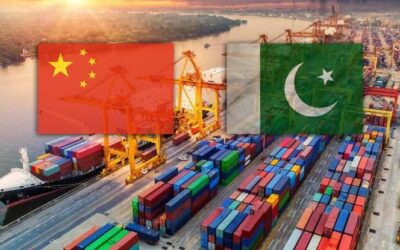
A promising development this year comes from a major $1 billion investment earmarked by Hong Kong’s CK Hutchison Ports in Pakistan’s port infrastructure, notably in Karachi. The project aims to enhance efficiency through automation, improved road access, and better cargo handling, an unmistakable signal of increased confidence in Pakistan’s potential as a trade hub. If implemented effectively, this upgraded port infrastructure could significantly reduce the logistics costs and delays that currently hinder Pakistan’s integration into global e-commerce supply chains.
Regional Digital Corridors Offer Tangible Promise
In July 2025, the Ministry of Commerce and the Trade Development Authority of Pakistan (TDAP) unveiled the country’s first dedicated digital trade platform at the inaugural GLOBE Pakistan Summit. The platform aims to accelerate digital trade by establishing secure, regional e-commerce corridors and improving market access for Pakistani businesses. At the launch, authorities emphasised how integrating this platform with regional economies could help local sellers move beyond domestic markets and become part of connected, cross-border digital value chains. The initiative marks a practical stride toward making Pakistan an active node in regional digital commerce rather than merely a standalone market.
You May Like to Read: Pakistan Exempts Foreign Tech Firms from 5% Digital Tax, Signals Boost for Digital Economy and Trade Relations
Policy Exists, but Implementation, and Coordination are Weak
The federal government has moved to update e-commerce strategy and draft a new e-commerce policy by 2030, signaling awareness of the problem. The policy talks about payments, tax incentives, digital infrastructure and skills. But planning documents are not the same as on-the-ground fixes: reforms need coherent customs modernization, faster ports, affordable trade finance and predictable rules for cross-border data flows if Pakistan is to make its online sellers reliable partners for global marketplaces.
Payments, Trust, and the Last-Mile Problem
International e-commerce depends on seamless payments and trusted delivery. In Pakistan a high share of purchases are still cash-on-delivery, while cross-border payments face foreign-exchange friction and banking limits. On the delivery side, inconsistent addressing systems, poor parcel tracking and high return rates add cost and risk. Until these frictions fall, many Pakistani sellers will be limited to regional or domestic buyers rather than integrated into complex global supplier networks.
Digital Skills, and Product Sophistication are Uneven
Many Pakistani firms are excellent at labour-intensive manufacturing and services, but fewer have experience packaging products for global online markets, meeting platform compliance, or managing return logistics and customer service in international languages and time zones. Strengthening vocational training, export coaching and platform onboarding is essential if MSMEs are to move from simply listing products online to reliably supplying global customers.
Infrastructure, and Energy are Shifting
Recent government announcements show the state sensing a digital opportunity: steps toward pilot central bank digital currency experiments and incentives for data centres and AI infrastructure point to a drive for modern digital infrastructure. If linked to export-focused policies, cheaper, stable power for fulfilment centres, data-localization rules that encourage trusted cloud services, and trade facilitation, these moves could help Pakistani firms handle larger, international e-commerce volumes.
What Should Pakistan Do?
Policy attention should turn to a tight, sequenced agenda: modernize customs and single-window systems; invest in cold chains, bonded warehousing and parcel tracking; fix cross-border payment frictions; and fund export readiness programs for exporters. Private sector partnerships with global platforms can accelerate learning; preferential trade agreements or special logistics corridors can help test and scale export paths.
You May Like to Read: From Textile to Tech: Can Pakistan Break Free from Low-Value Export Dependency?
Concluding: Why this Matters Now
Global supply chains are reorganizing, buyers are diversifying sources, platforms want reliable regional suppliers, and digital trade rules are evolving. Pakistan’s youth, industrial base and improving digital infrastructure give the country genuine potential. But potential alone won’t secure a place in the next generation of global supply chains. Concrete action on logistics, payments, skills and trade facilitation will. If Islamabad and industry move together on these priorities, Pakistan can convert a promising domestic e-commerce boom into a durable role in global digital trade, otherwise the world’s rising digital commerce will largely pass us by.