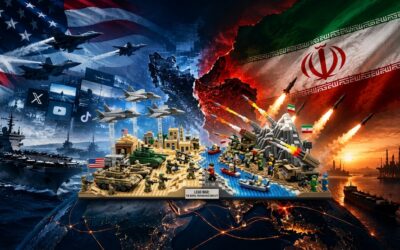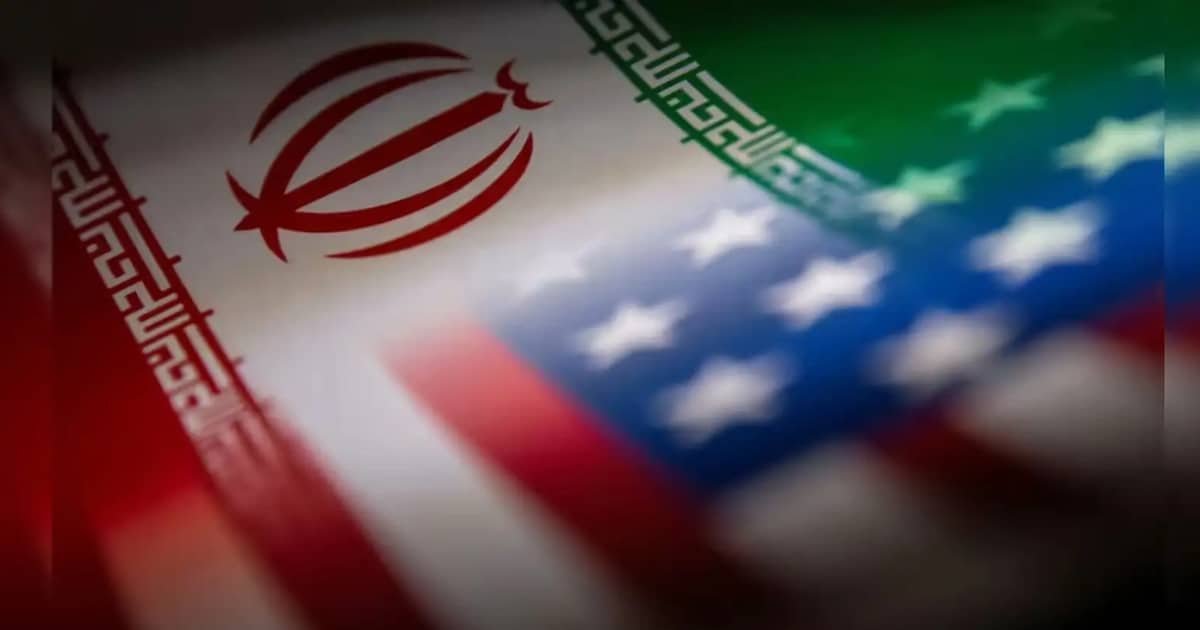





In a critical attempt to de-escalate a rapidly growing crisis, the United States and Iran have entered a second round of indirect negotiations in Geneva. Mediated by Oman, these talks aim to resolve the long-standing dispute over Tehran’s nuclear capabilities. However, the diplomatic effort is unfolding against a backdrop of intense military posturing and stark warnings from both Washington and Tehran.
Iran and US begin second round of nuclear talks in Geneva as President Donald Trump signals a possible deal, while Ayatollah Ali Khamenei warns that military threats will not force Tehran into submission. Tensions rise amid US carrier deployment in the Middle East and renewed… pic.twitter.com/VXDi4BsRW9
— LAFZ DIGITAL (@LafzDigital) February 17, 2026
Diplomacy Under the Shadow of Stealth Bombers
The talks follow a period of extreme tension, including a U.S. military strike on Iranian nuclear sites last summer involving B-2 stealth bombers. President Donald Trump, speaking from Air Force One, emphasised that while he believes Iran is motivated to reach a deal, the alternative would be “very traumatic.” The U.S. delegation, which includes Middle East envoy Steve Witkoff and Jared Kushner, is pushing for a deal that addresses not only nuclear enrichment but also Iran’s ballistic missile development.
A Massive Military Buildup in the Arabian Sea
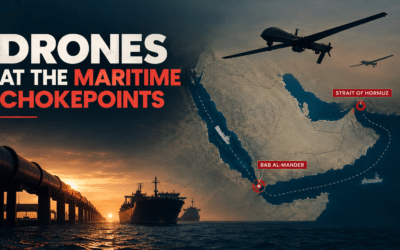
The U.S. has significantly increased its presence in the region to pressure Tehran. Satellite imagery has confirmed the location of the USS Abraham Lincoln near the Iranian coast, and the USS Gerald R. Ford the world’s largest warship, is reportedly en route. In response, Iran’s Supreme Leader Ayatollah Ali Khamenei dismissed the display of force, warning that Iran possesses weapons capable of sending such carriers to the “bottom of the sea.” Iran further signalled its defiance by launching maritime drills in the Strait of Hormuz, a vital artery for global oil supplies.
You May Like To Read: Pakistan and Egypt Strengthen Ties During UN Meeting on Palestine
Technical Hurdles and the Road to Sanctions Relief
Despite the heated rhetoric, there are small signs of movement. Tehran’s foreign ministry noted a shift toward a “more realistic” U.S. position, while Iranian Foreign Minister Abbas Araghchi stated he is in Geneva to seek a “fair and equitable deal.” The primary focus for Iran remains the lifting of crippling economic sanctions. However, with U.S. Secretary of State Marco Rubio describing the path to an agreement as “very difficult,” the success of this diplomatic mission remains uncertain.
Check out our latest video: