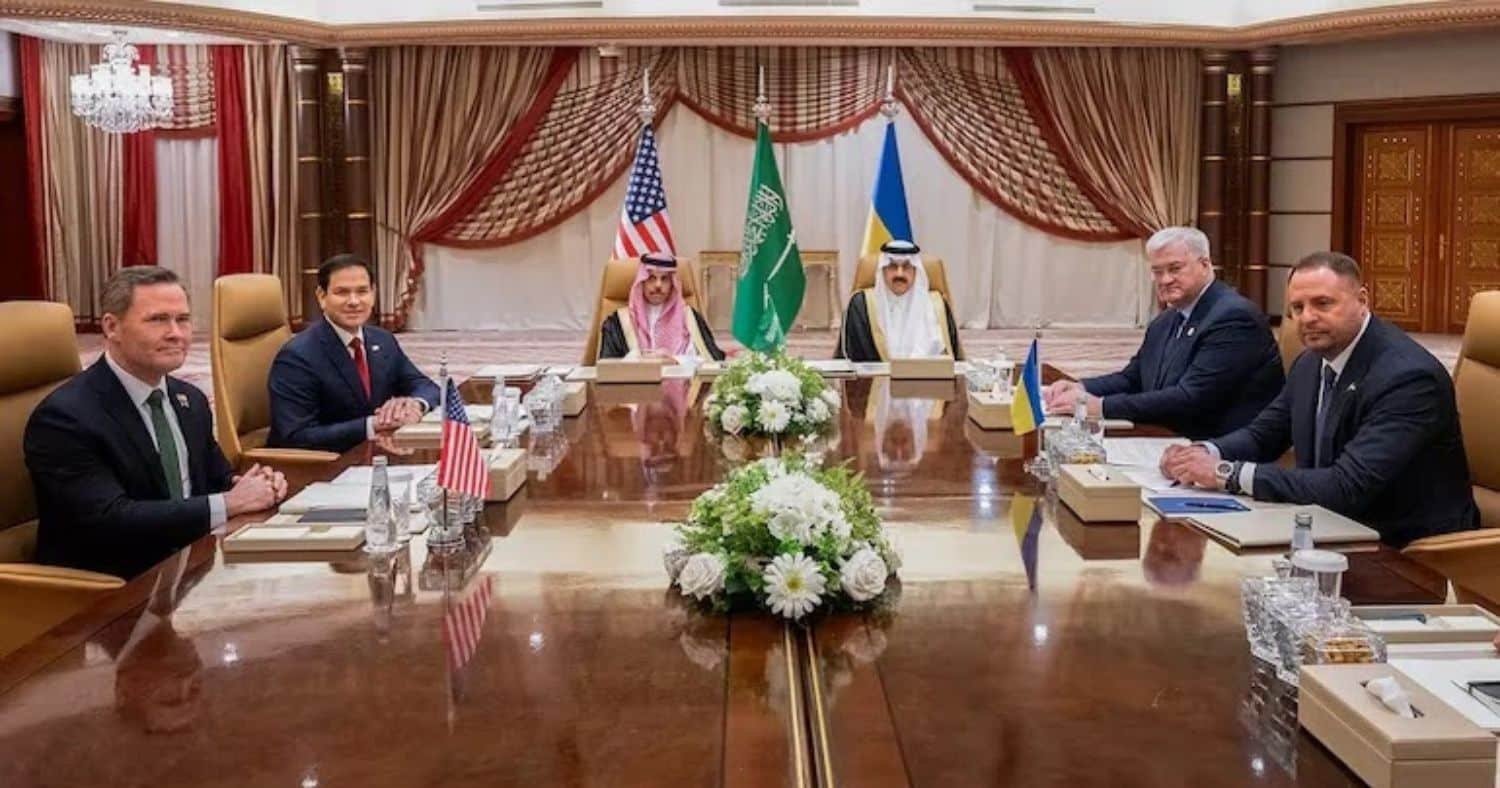





In international relations, much attention is given to superpowers—the United States, China, Russia—and their rivalries. Yet in recent years, the spotlight has shifted toward middle powers: states that lack superpower clout but wield disproportionate influence through diplomacy, regional leadership, and niche capacities.
Countries like Türkiye, Saudi Arabia, and South Korea exemplify this trend. Each has capitalized on shifting global dynamics to expand its diplomatic profile, challenging the notion that only great powers shape the international system.
Defining Middle Power Diplomacy
Middle powers are typically characterized by:
- Strong regional presence but limited global dominance.
- Investment in multilateral institutions.
- Use of diplomacy, mediation, and soft power to exert influence.
In today’s multipolar world, middle powers are no longer passive rule-takers. Instead, they are agenda-setters in areas ranging from energy to technology, conflict mediation to climate policy.
You May Like To Read: French Prime Minister Sébastien Lecornu Resigns Amidst Political Uncertainty
Türkiye: The Strategic Pivot
Under President Recep Tayyip Erdoğan, Türkiye has positioned itself as an indispensable bridge power. Its geography—linking Europe, Asia, and the Middle East—gives it leverage in multiple theaters. During the Russia-Ukraine war, Ankara brokered the Black Sea Grain Initiative, balancing NATO membership with pragmatic ties to Moscow. In the Middle East, it has alternated between confrontation and rapprochement with Gulf states, projecting itself as a civilizational power.
Türkiye’s activism demonstrates the agility of middle powers: not bound by rigid alliances, but willing to exploit fluidity for influence.
Saudi Arabia: From Petro-State to Power Broker
Saudi Arabia, once dismissed as a “chequebook power,” is reinventing itself as a diplomatic heavyweight. Under Crown Prince Mohammed bin Salman, Riyadh has brokered high-profile deals—including the 2023 rapprochement with Iran, facilitated by China. Its leadership in OPEC+ ensures it remains central to global energy politics, while mega-projects like NEOM signal a drive for economic diversification.
By balancing relations with Washington, Beijing, and Moscow, Saudi Arabia exemplifies the non-aligned pragmatism of modern middle powers.
You May Like To Read: Dmitry Medvedev to Lead United Russia Delegation for North Korea’s 80th WPK Anniversary
South Korea: The Techno-Diplomatic Power
South Korea demonstrates that middle power status need not rest on geography or resources alone. Leveraging its technological edge, Seoul has positioned itself as a global player in semiconductors, green technologies, and cultural exports (K-pop, cinema). Its security alliance with the U.S. coexists with careful management of ties with China, while its diplomacy in Southeast Asia and Africa reflects ambitions beyond the Korean Peninsula.
Seoul’s proactive engagement in UN peacekeeping, climate negotiations, and vaccine distribution underscores its role as a techno-diplomatic innovator.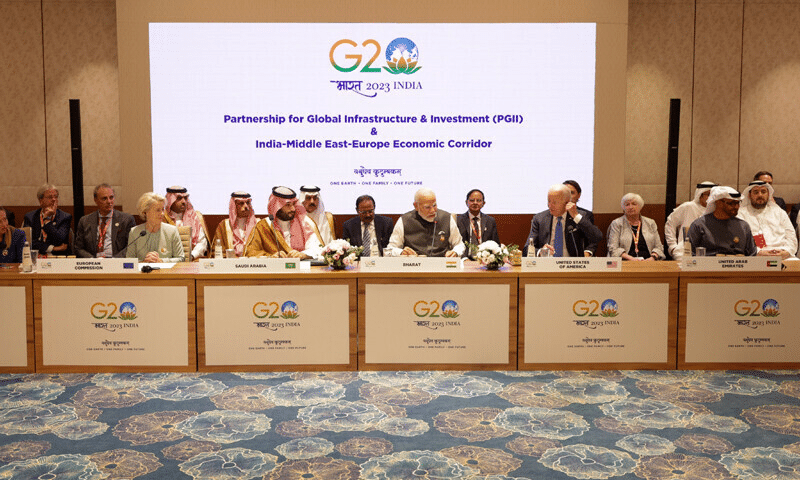
Middle Powers as System Shapers
Together, these cases highlight several trends:
- Middle powers thrive in a multipolar order where superpowers often cancel each other out.
- They practice issue-specific leadership: Türkiye in mediation, Saudi Arabia in energy and finance, South Korea in technology.
- They embrace strategic hedging, maintaining ties with competing great powers rather than aligning permanently.
This makes them unpredictable, but also highly influential in shaping outcomes.
Risks and Limitations
Middle power activism is not without risks. Türkiye’s assertiveness has strained relations with NATO allies. Saudi Arabia’s reforms remain shadowed by human rights controversies. South Korea faces the ever-present threat of North Korea. Moreover, middle powers lack the resources to sustain overextension; their influence is often contingent on global circumstances.
In a fragmented global order, middle powers are the new swing states. They may not dictate the system, but they increasingly determine its balance. For countries in the Global South, studying middle power strategies offers lessons in how to maximize influence without superpower status.
The 21st century may belong less to great power dominance and more to the diplomatic agility of middle powers in flux.
You May Like To Read: Hundreds of Thousands Across Europe and Turkiye Demand Immediate End to Gaza War and Famine