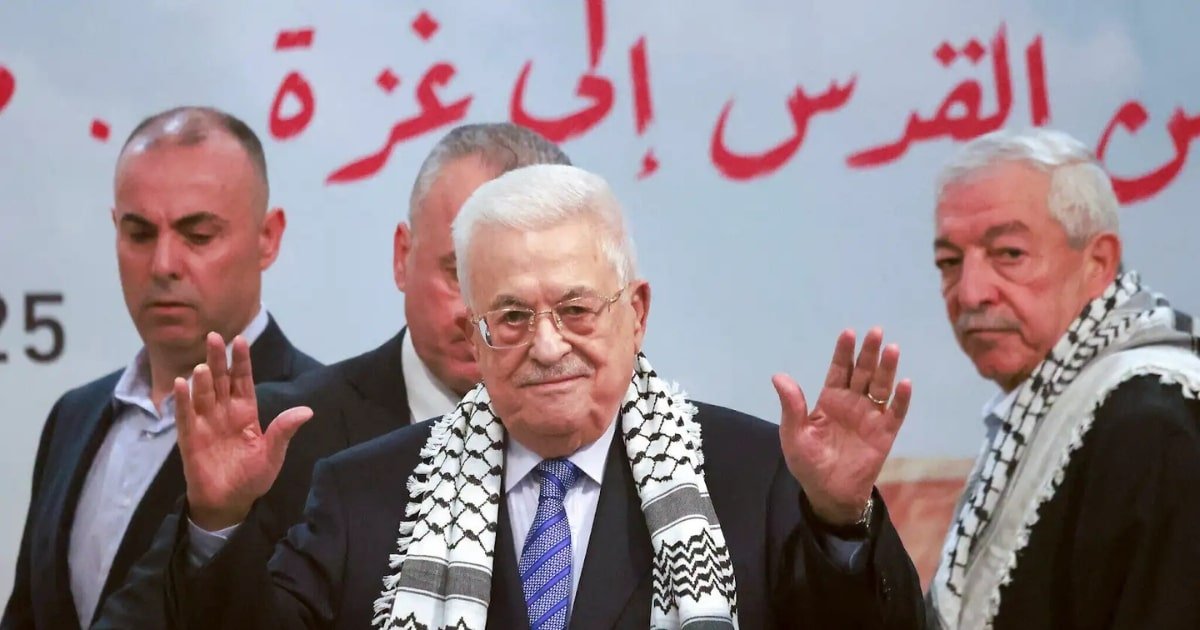





Palestinian President Mahmoud Abbas has officially issued a landmark decree calling for elections to the Palestinian National Council (PNC) on November 1, marking the first time in history that members of the legislative body will be chosen via direct popular vote.
The PNC serves as the parliament-in-exile for the Palestine Liberation Organization (PLO), the internationally recognized representative of the Palestinian people. Historically, members of the council were appointed or co-opted from within various political movements. This shift to a direct democratic mandate represents a significant evolution in Palestinian governance.
“Elections will be held wherever possible, both inside and outside Palestine,” President Abbas stated in the decree, as reported by the official news agency Wafa. “Our goal is to ensure the broadest possible participation of the Palestinian people, wherever they reside, to strengthen our national institutions.”
BREAKING | Palestinians can directly vote for PLO parliament for first time ever, Abbas announces https://t.co/jQ7bEF4VoC
— Khaleej Times (@khaleejtimes) February 2, 2026
Key Highlights of the Election Decree
- Election Date: November 1.
- Democratic Milestone: Transition from an appointment-based system to direct popular suffrage.
- Global Participation: The decree includes Palestinians in the diaspora, seeking to unify the voice of millions living outside the territories.
- Institutional Reform: The PNC is the highest authority within the PLO, responsible for electing its Executive Committee and formulating national policy.
The PNC has historically been dominated by the Fatah movement, co-founded by the late Yasser Arafat. By opening the council to direct elections, the Palestinian leadership aims to renew the legitimacy of the PLO at a critical juncture in the national struggle for statehood.
You May Like To Read: President Trump and PM Modi Announce Historic Trade Deal
Currently, the Islamist movements Hamas and Palestinian Islamic Jihad are not members of the PLO and lack representation in the council. Analysts suggest that the move toward direct elections could potentially pave the way for broader political inclusion, depending on the participation of various factions.
Further details regarding the registration process for candidates and voters, particularly for those residing abroad, are expected to be released by the Central Election Commission in the coming weeks.
Check out our latest video: