




A War-Time Narrative of Denial and Diplomacy
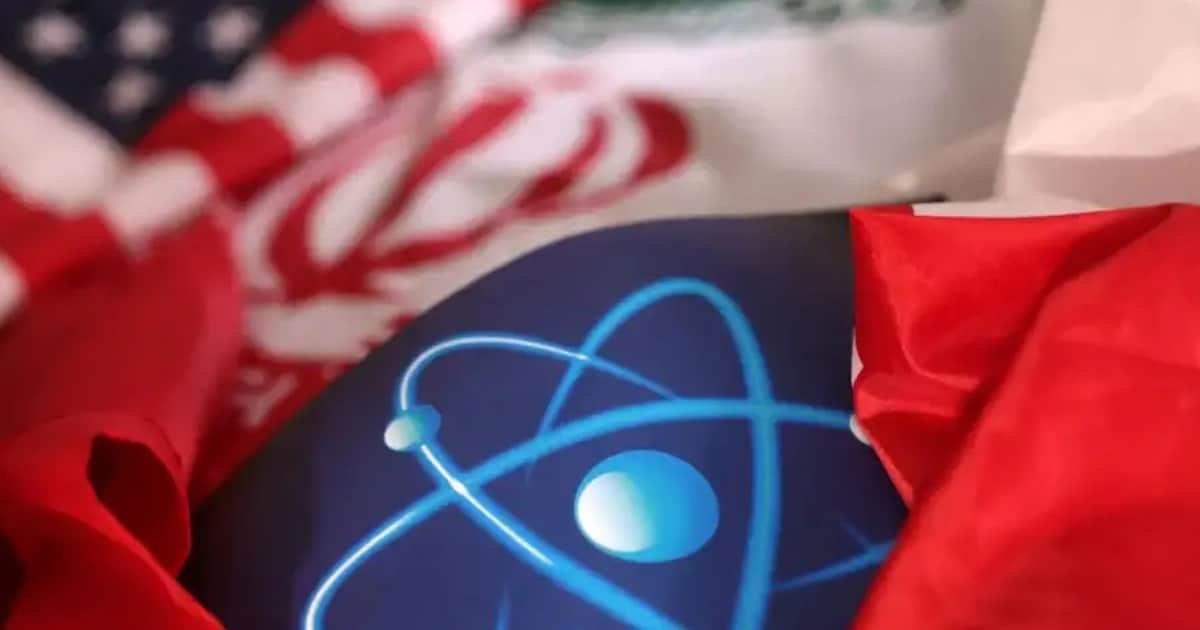
The current phase of tensions between Iran and the United States is marked by a striking contradiction. While Washington repeatedly signals that talks are underway or imminent, Tehran publicly rejects any claim of direct engagement. This contradiction is not accidental, it reflects a deliberate Iranian strategy shaped by distrust, power politics, and recent battlefield realities. In March 2026, Iran categorically denied holding direct talks with the United States even after President Donald Trump claimed “productive conversations” had led him to pause further strikes. Iranian officials dismissed these claims as misinformation, insisting no such direct channel exists.
Iranian Ministry of Foreign Affairs DENIES what US President Donald Trump said regarding the occurrence of negotiations between the United States of America and the Islamic Republic of Iran.
The Islamic Republic of Iran adheres to its position rejecting any kind of negotiations… https://t.co/UncsjcTmZp pic.twitter.com/7C0qCZxQ1v
— True Promise – الوعد الصادق ✪🇮🇷 (@IRTruePromise) March 23, 2026
Iran’s Official Position: No Talks Under Pressure
Iran’s leadership has maintained a consistent line that negotiations cannot take place under coercion. Officials have repeatedly argued that dialogue loses meaning when accompanied by sanctions, military threats, and active warfare. Iran has ruled out direct negotiations with the United States, with President Masoud Pezeshkian stating that past breaches of promises mean Washington must first “prove it can build trust.”
Tehran responded to a March 2025 letter from Donald Trump via Oman, signaling openness only to indirect talks, while maintaining that sanctions and threats make direct engagement impossible.
Iran’s leadership, including Ali Khamenei and Foreign Minister Abbas Araghchi, has reinforced that negotiations under “maximum pressure” are neither acceptable nor honourable.
This position is rooted in recent developments. The United States revived its “maximum pressure” campaign in 2025, combining sanctions with explicit warnings of military action. Iran responded by rejecting direct negotiations, arguing that talks conducted under duress would only legitimize what it sees as coercive diplomacy.
🚨 The Iranian President:
Attacks on infrastructure and killings during the talks prove that Iran “cannot trust America.” pic.twitter.com/qDm7jA5Evz
— Globe Observer (@_GlobeObserver) March 28, 2026
The Role of Indirect Channels
Despite its public rejection of direct talks, Iran has not abandoned diplomacy altogether. Instead, it has shifted towards indirect engagement through intermediaries such as Oman, Pakistan, Egypt, and Turkey. These backchannel efforts have become the primary mode of communication between Tehran and Washington.
Iran has rejected a U.S. proposal to end the war as “one-sided and unfair,” saying it would require Tehran to weaken its defense capabilities in exchange for vague sanctions relief.
The proposal was reviewed by senior Iranian officials and representatives of Ali Khamenei, who found it lacked the minimum conditions needed for a viable agreement.
Despite this, Iran signaled diplomacy is still possible, with Pakistan and Turkey working to bridge gaps between Tehran and the United States.
Indirect diplomacy allows Iran to maintain strategic flexibility. It can test proposals, send signals, and negotiate terms without appearing to concede to U.S. pressure. This approach also aligns with Iran’s broader diplomatic tradition, where prolonged, mediated negotiations are preferred over direct, high-stakes engagement.
“War benefits no one. A just peace is beneficial for everyone,” says Turkish VP Yilmaz, as he calls for an immediate ceasefire and permanent diplomatic solution for Iran war https://t.co/ja0ZG6i9ET
— Türkiye Today (@turkiyetodaycom) March 27, 2026
The Collapse of Trust After Failed Agreements
A central reason for Iran’s refusal lies in the collapse of trust following past agreements. The 2015 nuclear deal (JCPOA) initially offered Iran sanctions relief in exchange for limits on its nuclear program. However, the U.S. withdrawal from the agreement in 2018, and the reimposition of sanctions, deeply damaged confidence in American commitments.
By 2025, even as talks resumed indirectly, Iranian leaders remained skeptical. They insisted that any new agreement must include verifiable guarantees, not just political promises. Without such assurances, Tehran views direct negotiations as a risk rather than an opportunity.
The Impact of this Showdown
The ongoing conflict has further hardened Iran’s stance. U.S. and Israeli strikes on Iranian infrastructure, including nuclear and military facilities, have escalated tensions to unprecedented levels. Reports indicate thousands of casualties and widespread destruction, reinforcing Tehran’s perception that Washington is negotiating from a position of aggression rather than goodwill.
In this context, Iran’s rejection of direct talks becomes a political necessity. Engaging openly with Washington while under attack would be seen domestically as capitulation, undermining the government’s legitimacy.
Domestic Politics and Strategic Messaging
Iran’s refusal to engage directly is also shaped by domestic political considerations. Hardline factions within the country have long opposed negotiations with the United States, viewing them as a trap designed to weaken Iran’s sovereignty.
Moreover, Joe Kent, the Director of the National Counterterrorism Center resigned from office recently, saying he could not “in good conscience support the ongoing war in Iran” because, in his view, Iran posed no imminent threat and the conflict was driven by pressure from Israel and its influential lobby on U.S. policy. His public resignation expressed deep criticism of Washington’s decision to go to war and highlighted internal dissent within the U.S. government over the Iran conflict.
Domestically, Trump faces mounting criticism from Congress and political opponents, with many questioning the legitimacy and consequences of his military strategy against Iran.
These internal divisions in the U.S. further strengthen Tehran’s position, allowing Iran to reject direct engagement while observing fissures within Washington’s policymaking.
🚨 BREAKING: Joe Kent, director of the U.S. National Counterterrorism Center, resigns over Trump’s war in Iran,
saying “I cannot in good conscience support the ongoing war in Iran. Iran posed no imminent threat to our nation, and it is clear that we started this war due to… pic.twitter.com/OQwv1AlCVw
— Globe Observer (@_GlobeObserver) March 17, 2026
The U.S. Narrative vs. Ground Reality
Washington’s repeated claims of ongoing or imminent talks contrast sharply with Iran’s denials. This divergence reflects differing strategic objectives. For the United States, signaling diplomatic progress helps manage global perceptions, stabilize markets, and justify pauses in military action.
Iran, however, sees such claims as part of an information strategy aimed at creating the illusion of compliance. Iranian officials have accused the U.S. of using media narratives to pressure Tehran and influence international opinion.
Strategic Patience as Policy
Iran’s approach can be best understood through the concept of strategic patience. Rather than rushing into negotiations, Tehran prefers to prolong the process, extract concessions, and wait for shifts in the geopolitical environment.
This strategy has historical roots. Iranian negotiators often treat diplomacy as a long-term contest, where endurance and resilience are as important as immediate outcomes. By refusing direct talks, Iran is effectively buying time, hoping that changing global dynamics will strengthen its bargaining position.
Regional Dynamics and Leverage
The broader regional context also plays a crucial role. Iran’s ability to influence key areas such as the Strait of Hormuz and allied groups across the Middle East, gives it significant leverage. During the current conflict, disruptions to oil routes and retaliatory strikes have demonstrated Iran’s capacity to impose costs on its adversaries.
This leverage reduces the urgency for direct talks. From Tehran’s perspective, entering negotiations prematurely could weaken its position, especially when it believes it can shape outcomes through strategic pressure.
Diplomacy Without Recognition
Iranian leaders, including President Pezeshkian and FM Araghchi, have repeatedly conditioned US dialogue on “equal footing” and mutual respect, rejecting talks under threats, pressure, or military coercion as unequal.
Tehran views the US strategy, pairing strikes with concession demands like nuclear/missile curbs in the 15-point proposal, as undermining parity, labeling it unfair and controlling without sanctions relief or security guarantees.
By using intermediaries like Pakistan or Oman, Iran sidesteps direct legitimacy for a perceived coercive framework, insisting future talks require non-interference and respect to avoid subordination.
The Road Ahead: Conditional Engagement
Despite its firm stance, Iran has not closed the door to diplomacy entirely. Officials have indicated that talks remain possible if certain conditions are met, including the lifting of sanctions and an end to military aggression.
This conditional openness suggests that Iran’s refusal is tactical rather than absolute. The country is not rejecting diplomacy itself, but rather the terms and manner in which it is being pursued by Washington.
Conclusion: Defiance with a Diplomatic Undercurrent
Iran’s refusal to engage directly with the United States is not simply a rejection of dialogue, it is a calculated strategy shaped by history, mistrust, and current conflict dynamics. By combining public defiance with private backchannel diplomacy, Tehran seeks to protect its sovereignty while preserving room for negotiation.
For observers, the key takeaway is clear: the absence of direct talks does not mean the absence of diplomacy. Instead, it reflects a deeper struggle over the terms, timing, and balance of power that will define any future agreement between the two adversaries.
You May Like To Read: Ousted Venezuelan President Maduro Breaks Silence from Brooklyn Prison in Social Media Address
Check out our latest video: