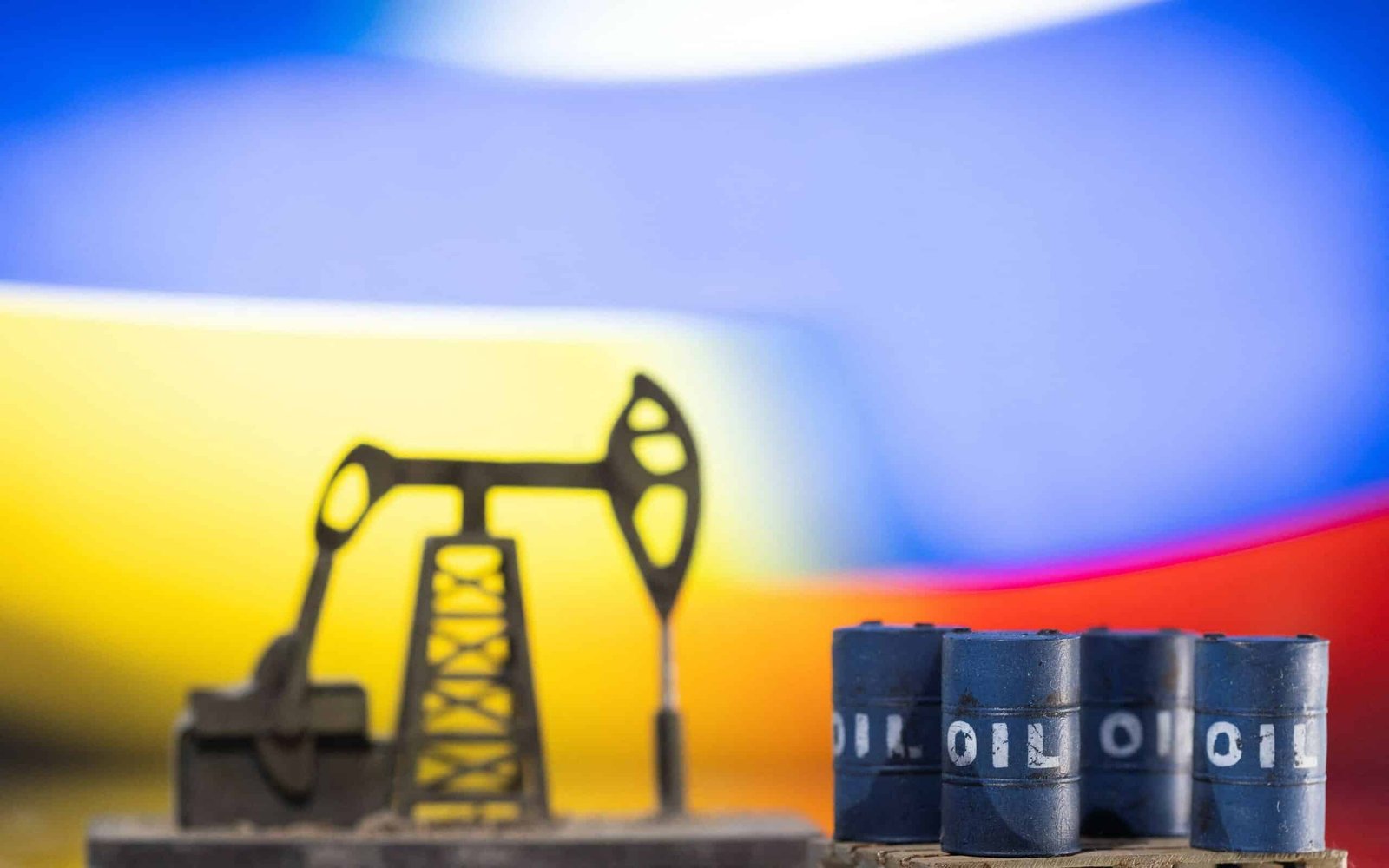





Diplomatic sources indicate that Pakistan may be among the countries eligible for a new 30-day general license issued by the US Department of the Treasury, aimed at easing global crude market pressures and assisting energy-vulnerable nations. The license allows selected countries to temporarily access Russian oil currently stranded at sea.
.@USTreasury is issuing a temporary 30-day general license to provide the most vulnerable nations with the ability to temporarily access Russian oil currently stranded at sea.
This extension will provide additional flexibility, and we will work with these nations to provide…
— Treasury Secretary Scott Bessent (@SecScottBessent) May 18, 2026
US Treasury Secretary Scott Bessent announced the temporary measure on X, stating that it is designed to provide vulnerable nations with the ability to access Russian oil, stabilize the physical crude market, and ensure oil reaches countries most in need. He also noted that the license intends to reduce China’s ability to stockpile discounted oil.
While the arrangement could offer Pakistan a chance to alleviate energy challenges, sources caution that Islamabad’s limited technical capacity may hinder its ability to fully capitalize on the concession. Pakistan lacks a history of large-scale Russian crude imports and may face refining infrastructure limitations to process such shipments efficiently.
Critical Analysis
This development presents a complex scenario for Pakistan. The potential access to discounted Russian oil could provide economic relief, especially given the country’s ongoing energy crisis. However, several factors need consideration:
- Refining Capabilities: Pakistan’s existing refineries may not be fully equipped to process Russian crude, potentially requiring costly upgrades or adjustments.
- Logistics and Infrastructure: Importing Russian oil would necessitate establishing new supply chains and potentially upgrading port infrastructure to handle larger shipments.
- Geopolitical Considerations: While the US license provides a temporary window, Pakistan must carefully navigate the geopolitical implications of importing Russian oil, particularly concerning its relations with Western partners.
- Long-Term Sustainability: A 30-day license offers only a short-term solution. Pakistan needs to explore sustainable, long-term energy strategies to address its energy needs effectively.
Looking Ahead
The Pakistani government will need to assess its technical capabilities, logistical infrastructure, and geopolitical considerations before deciding to take advantage of the US temporary license. A comprehensive analysis of the potential benefits and challenges is crucial to ensure that any decision aligns with Pakistan’s long-term energy security and economic interests. Furthermore, exploring options for upgrading refining infrastructure and diversifying energy sources will be vital for a sustainable energy future.