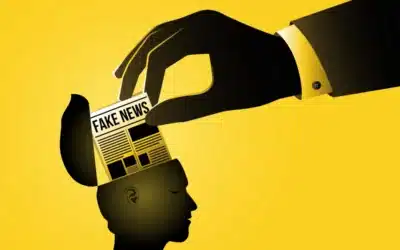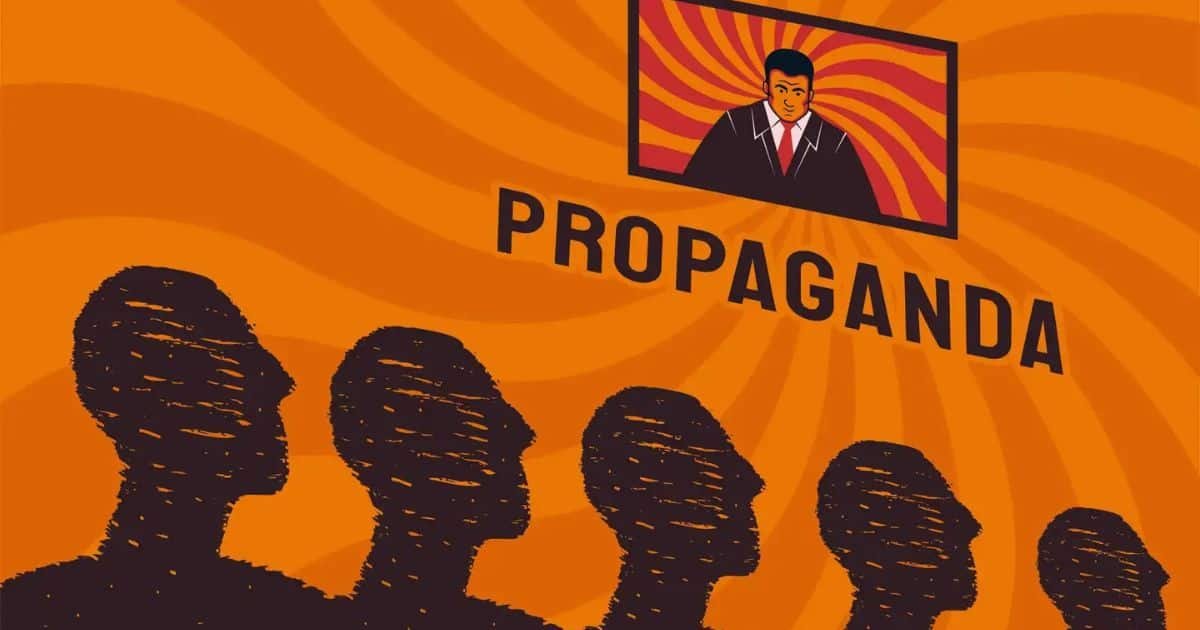




In Pakistan’s crowded information ecosystem, facts and feelings no longer travel the same road. They travel faster, through paid posts, influencer profiles, coordinated pages and automated accounts. What began as basic message-crafting has hardened into an industry where political objectives, commercial incentives and platform design meet, and where outcomes shape elections, foreign policy debates and everyday trust in institutions.
Three Forces Behind the Narrative
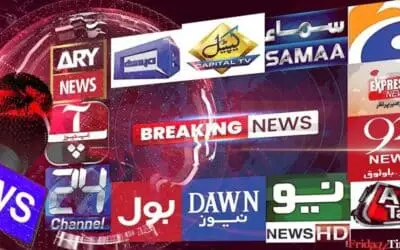
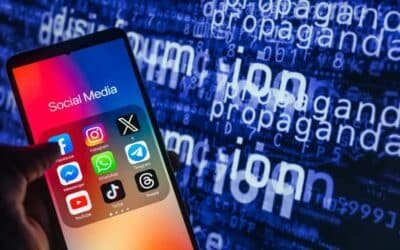
At the centre of this shift are three groups: private PR and marketing companies hired by political actors and interest groups; armies of social media influencers and content creators who can turn messages viral; and the global platforms, Facebook/Meta, YouTube, X and others, whose moderation rules and algorithms determine what reaches most people. Each has its own incentives. PR firms are paid to persuade. Influencers trade attention for money. Platforms chase engagement, scale and, increasingly, regulatory certainty. When these incentives align, the result is not just promotion but amplification: messages that drown out nuance and reward outrage.
You May Like to Read: The Rise of Narrative Laundering: Sanitization and Resharing of Disinformation Campaigns via Credible Sources
Digital Manipulation During Crises
Recent events have shown how quickly information can be weaponised. During the crisis in late April and May 2025 between India and Pakistan, social media fed panic and hardened narratives on both sides. False or misleading posts moved from WhatsApp forwards to mainstream feeds, complicating diplomatic responses and stoking fear. Independent reporting and later platform takedowns revealed networks of coordinated accounts pushing partisan lines at scale, a reminder that digital campaigns can be deployed in real time to influence public sentiment during high-stakes moments.
PR Firms Turn Propaganda Into a Business
The private players behind many domestic campaigns are not always shadowy. Established PR agencies and digital marketing shops now offer political packages: rapid response teams, content factories, memetic designers and targeted ad buys. These services promise reach and “narrative control” and are attractive to politicians, corporate PR departments and interest groups alike. That commercialisation has created an ecosystem where disinformation and persuasion are sometimes indistinguishable; cheap, emotionally charged content spreads widely, while verified reporting struggles for airtime. Research into Pakistan’s disinformation economy has documented how commercial incentives and cross-border influence operations have matured since the 2010s, turning manipulation into a lucrative business.
Platform Policies and their Consequences
Platforms themselves complicate the picture. In 2025, Meta faced sharp criticism from its own Oversight Board for hastily changing moderation systems without fully assessing human rights impacts, a lapse that observers say can be dangerous in fragile contexts. When automated systems are dialled down or fact-checking partners are limited, harmful content can slip through or, conversely, legitimate voices can be wrongly removed, both outcomes that hurt public discourse.
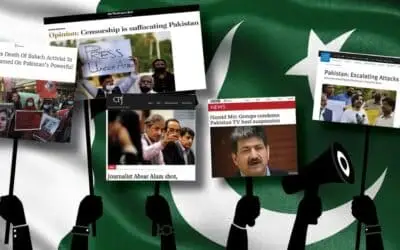
Pakistan’s policy response has also evolved. Amendments to the Pakistan Electronic Crimes Act have expanded government powers over social media, aiming to curb fake news but prompting fears that enforcement could be used to silence critics rather than just punishment of clear bad actors. The twin reality is that platform policy shifts and domestic regulation interact in ways that can either curb or accelerate propaganda, depending on how they are used.
You May Like to Read: The Debate Over Cybercrime Laws in 2025 | Cybercrime and Digital Rights
Influencers as Political Middlemen
Influencers and micro-celebrities play a unique role in this economy. Academic studies of South Asia’s digital public sphere show how influencers act as trusted intermediaries, turning opaque political messages into shareable narratives in local languages. Their endorsement can confer legitimacy; their partisan posts can mobilise voters, inflame controversies or normalise polarising viewpoints. Because influencers often blur commercial and political content, audiences can be unaware they are being targeted by coordinated campaigns rather than organic opinion.
You May Like to Read: Youth Radicalization in the Digital Age: From Online Propaganda to Real-World Threats in Pakistan
Risks to Democracy and Civic Trust
So what does this mean for Pakistan’s democracy and civic life? First, it raises the cost of truth. Fact-checking units and investigative journalists now compete with professionalised messaging teams that are faster and better funded. Second, it concentrates power over public conversation in the hands of a few: PR firms with deep pockets, influencers with large followings, and multinational platforms with algorithmic sway. Third, it increases the risk during crises: misinformation can escalate tensions, as seen during recent cross-border incidents, and can undermine institutions, courts, elections bodies and public health systems, by eroding trust.
Building a Healthier Information Space
That does not mean the market is irredeemable. There are practical steps that can reduce harm without stifling legitimate speech. Platforms must invest in local moderation capacity and transparent appeals processes, and they should work with independent fact-checkers and civil society in Pakistan to map influence networks. Regulators should craft laws that are narrowly targeted and include safeguards for press freedom. PR firms must be held to clearer disclosure standards when they run political campaigns or paid amplification. And newsrooms need sustainable support to accelerate verification and outreach in local languages. These are not quick fixes, but they are necessary adjustments if public debate is to be resilient.
Concluding
The business of persuasion in Pakistan is deeply profitable and politically powerful. Left unchecked, it will continue to shape how people see events, who they trust, and what political choices feel plausible. The challenge for policymakers, platforms and the public is to rebalance an ecosystem rigged for attention back toward one where truth can compete, and win.