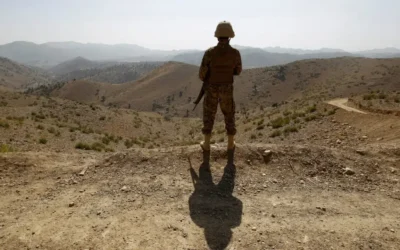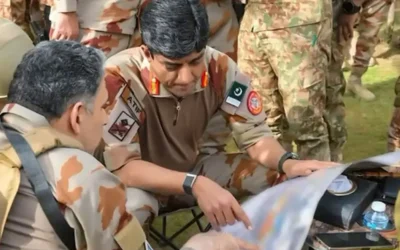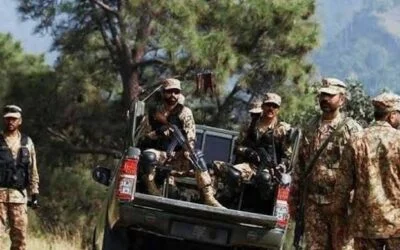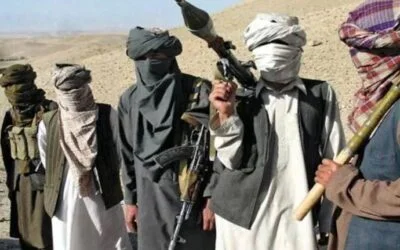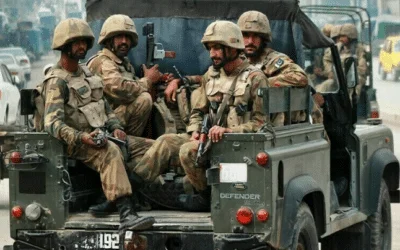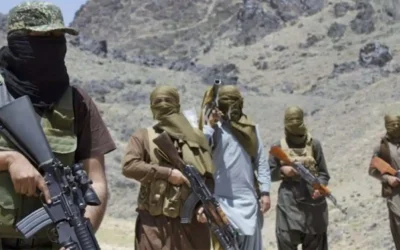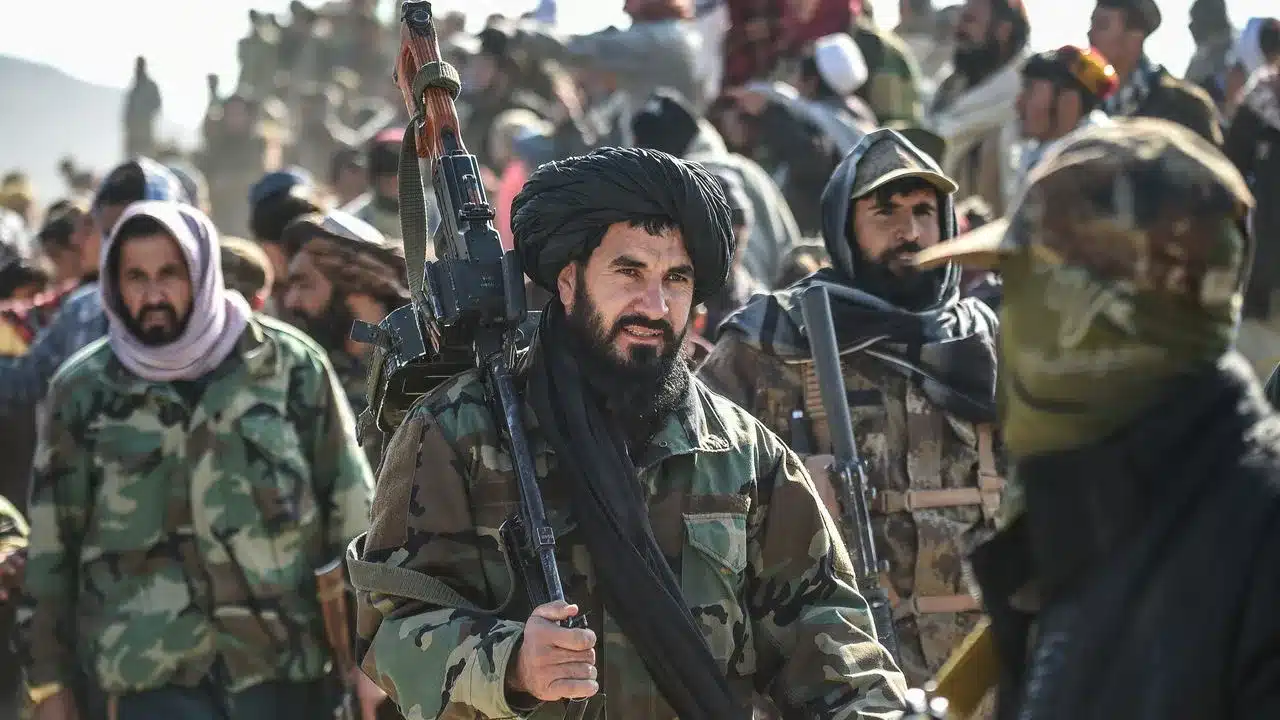



In the rugged tribal belts of Khyber Pakhtunkhwa (KP) and the volatile frontiers of Balochistan, the war on terror is not only fought on battlefields but also in bazaars, markets, and transport routes. The TTP—or as critics increasingly call them, Fitna al-Khawarij (FAK)—sustains its insurgency through a complex web of illicit financial streams. Extortion rackets, kidnapping for ransom, drug trafficking, and cross-border smuggling networks form the lifeblood of their operations. Yet, these same activities are systematically strangling the economic arteries of Pakistan’s borderlands, creating a “blood money economy” that funds violence while bankrupting communities.

Terror Financing Beyond the Battlefield
Terrorist organizations rarely survive on ideology alone; they thrive on money. According to a UN Security Council report, the FAK’s financing model closely mirrors that of global jihadist outfits: a blend of organized crime, coercion, and illicit trade. Intelligence assessments suggest that in KP’s tribal districts, FAK operatives maintain a protection racket system that extracts payments from local shopkeepers, transporters, and contractors.
Those who refuse to comply face brutal consequences—burned properties, targeted killings, or abductions. For traders and small business owners, “protection fees” are not a choice but a survival cost. As one report documented, extortion threats have surged in Swat and adjoining districts, leaving entrepreneurs paralyzed between economic ruin and mortal danger.
You May Like To Read: The “Islamic Emirate” Mirage: Why the FAK’s ‘Governance’ Breeds Chaos, Not Justice
Kidnapping, and the Shadow Market of Human Ransom
Kidnapping for ransom represents another cornerstone of the FAK’s financial machinery. Victims range from wealthy urban businessmen to local professionals and even foreign workers in sensitive areas. Negotiated in secrecy, ransom sums often reach millions of rupees, draining families and institutions alike.
Beyond its financial utility, kidnapping serves as a dual-purpose tactic: it terrorizes communities into silence and signals the state’s limited capacity to secure its citizens. Analysts argue that the ransom industry, much like narco-trade in Latin America, becomes self-perpetuating—generating steady cash flow while embedding fear into the very fabric of society.
Drug Trade, and Cross-Border Smuggling
The FAK’s geographical base along the Afghan frontier situates it in close proximity to one of the world’s largest narcotics markets. Afghanistan remains the epicenter of global opium production, and militant groups on both sides of the Durand Line exploit porous borders to facilitate drug trafficking.
Smuggling networks move heroin, hashish, and precursor chemicals into Pakistan and onward to international markets. The profits are laundered through informal hawala/hundi systems, allowing insurgents to evade financial monitoring. Simultaneously, smuggling of legal commodities—from fuel and fertilizer to consumer goods—provides steady revenue. By undercutting legitimate businesses and evading state taxes, such illicit trade not only enriches militants but also undermines Pakistan’s fragile fiscal base.
The Economic Strangulation of Border Communities
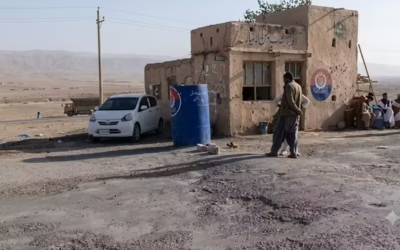
The collateral damage of this “blood money economy” is borne most heavily by borderland communities. In districts like North Waziristan and Zhob, commercial activity remains hostage to militant taxation. Transporters face levies on cargo routes, shopkeepers endure extortion demands, and industrial projects are stalled due to targeted attacks.
The Pakistan Institute for Peace Studies (PIPS) highlights how such financial coercion has created a dual economy: one regulated by state laws, the other by militant diktats. Unsurprisingly, local entrepreneurs are fleeing to urban centers, draining borderlands of investment and labor. This cycle reinforces underdevelopment—fertile ground for further militant recruitment.
Law Enforcement’s Limitations
For Pakistani authorities, dismantling FAK’s financial networks poses immense challenges. Border enforcement agencies, already stretched thin, contend with rugged terrain and limited surveillance infrastructure. The Financial Monitoring Unit (FMU) and the State Bank of Pakistan have taken steps to curb hawala channels, but informal money flows remain resilient.
Military operations such as Zarb-e-Azb and Radd-ul-Fasaad targeted militant sanctuaries, but the financial underpinnings of insurgency proved more elusive. Without choking the flow of illicit funds, territorial gains often remain fragile. Indeed, intelligence officials concede that “follow the money” is far harder in a region where formal banking penetration is minimal.
The Strategic Dimension: Proxy Warfare, and Regional Spillovers
Pakistan frames the FAK’s financial survival not merely as a domestic criminal issue but also as an extension of regional proxy warfare. Officials frequently allege that Indian intelligence agencies exploit militant smuggling routes to funnel funds into Pakistan’s tribal areas. While New Delhi categorically denies these accusations, Islamabad points to cases like Kulbhushan Jadhav as indicative of India’s covert hand in destabilization.
Whether direct or indirect, external enablers complicate Pakistan’s counter-financing strategies. As militancy finances intersect with geopolitics, the blood money economy becomes a weapon of economic warfare against the state.
Breaking the Financial Backbone of Militancy
Countering this entrenched economy requires more than military firepower. Analysts propose a multi-pronged approach:
- Financial Intelligence: Strengthening cooperation between FMU, FIA, and local law enforcement to detect unusual financial flows.
- Border Management: Expanding biometric surveillance and fencing to curb illicit trade routes.
- Community Protection: Establishing insurance and compensation schemes for businesses resisting extortion.
- Regional Diplomacy: Enhancing intelligence-sharing with Afghanistan and international partners to tackle narco-networks.
- Economic Integration: Investing in border economies to provide alternatives to smuggling and militant taxation.
Commerce as Collateral in the War on Terror
The FAK’s blood money economy starkly illustrates how insurgency intertwines with organized crime. In Pakistan’s border regions, the group has effectively monetized fear, turning economic lifelines into funding streams for terror. Left unchecked, this cycle not only sustains militancy but also erodes the socio-economic resilience of frontier communities.
Breaking this nexus is not just a counter-terrorism imperative; it is an economic necessity. For Pakistan, reclaiming borderland commerce from the grip of militants may prove as decisive as any battlefield victory. Only by drying up the blood money that fuels terror can the state hope to restore stability, security, and prosperity in its most vulnerable regions.
You May Like To Read: The Kulbhushan Jadhav Echo: Enduring Relevance of Espionage Cases in Indian Proxy Warfare