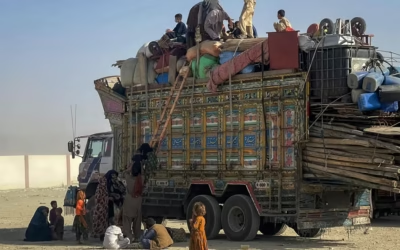




The rise in juvenile delinquency is a significant and escalating global challenge, reflecting complex societal shifts that push a growing number of young people into criminal activities. Far from being isolated incidents, youth involvement in crime is often a symptom of deeper socio-economic discomfort. An issue demanding comprehensive understanding of its root causes and an imperative shift towards rehabilitative and preventative measures.
Addressing this challenge requires moving beyond punitive approaches to embrace alternative justice pathways that prioritize healing, reintegration, and the cultivation of a supportive environment for youth.
Juvenile Delinquency in Pakistan: Statistics and Current Landscape
Juvenile delinquency remains a significant concern in Pakistan, with thousands of young individuals coming into conflict with the law.
A review of data from 2005 to 2019 reported approximately 22,000 juvenile cases across Pakistan. Of these, only 6% (around 2,620 cases) resulted in convictions, indicating a high proportion of undertrial cases. As of 2021-2022, provincial prison data showed around 540 minors in Punjab prisons, 260 in Sindh, 510 in Khyber Pakhtunkhwa, and 55 in Balochistan. Many of these juveniles, roughly 90%, are awaiting trial, with some experiencing prolonged detention periods.
Regarding trends, there’s a mixed picture. While data for Punjab prisons (2011-2021) showed a steady decline in the overall number of children admitted, with figures remaining below 2,000 annually, there was a 34% increase in undertrial children admitted in Punjab prisons in 2021 compared to 2020. Broadly, some reports suggest an “upsurge in youth violence and aggression” across Pakistan in recent years, highlighting the evolving nature of juvenile involvement in criminal activities.
The Socio-Economic Web Entrapping Youth
At the heart of rising juvenile delinquency lies a tangled web of socio-economic factors that disproportionately affect vulnerable youth. Poverty emerges as a relentless driver, a pervasive condition that strips away opportunities and engenders a cycle of deprivation.
Children growing up in impoverished households often contend with inadequate housing, malnutrition, and limited access to essential resources, leading to heightened stress, frustration, and a pervasive sense of hopelessness. This desperation can push young individuals towards criminal activities as a perceived means of survival or acquiring basic necessities.

Source: Euromedmonitor
Economic inequality further exacerbates this issue, creating vast disparities that limit access to quality education, job training, and avenues for social mobility, fostering feelings of marginalization and exclusion.
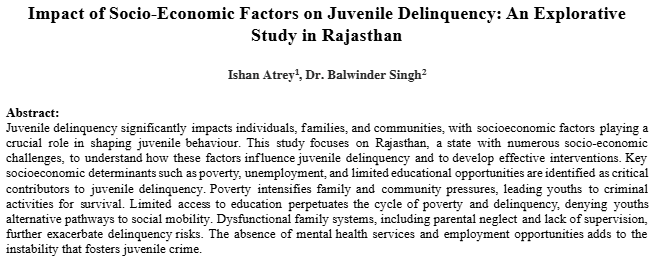
Lack of education and limited educational opportunities directly correlate with increased involvement in crime. Education provides more than just academic instruction; it offers a structured environment, critical skills, and pathways to legitimate employment.
When young people are denied access to quality schooling or drop out early, their prospects for legal income generation diminish significantly, making illegal activities a more tempting alternative for financial gain.
Studies highlight a clear inverse relationship between educational attainment and criminal behavior, indicating that education equips individuals with the knowledge and skills to secure legitimate work opportunities, thereby reducing the likelihood of engaging in illicit activities.
Source: Researchgate
Beyond economics and education, dysfunctional family systems play a critical role. Parental neglect, lack of supervision, and exposure to domestic violence within the home significantly heighten the risk of delinquency. Children from single-parent households or those with less parental involvement are often at a higher risk, underscoring the crucial role of parental support and monitoring in preventing delinquent behavior.
Furthermore, peer pressure from associations in disadvantaged communities, where exposure to violence and crime is more prevalent, can lure impressionable youth into illegal acts, seeking a sense of belonging or status within deviant groups. The absence of healthy role models and supportive environments further compounds these vulnerabilities.
The Shifting Landscape of Youth Crime
While global trends in juvenile crime show varied patterns, the concern about youth involvement remains significant. The World Health Organization (WHO) highlights that youth violence is a leading cause of death among young people aged 15-29 globally, with economic disparities exacerbating frustration and despair among disadvantaged youth, leading to environments where violence becomes a common outlet.
Although some regions have seen overall declines in reported juvenile offending in certain categories, particularly among older juveniles, there are concerning increases in specific serious crimes, such as homicides and crimes related to firearms. This evolving landscape necessitates a nuanced and adaptive response.
The Imperative of Rehabilitation Programs
Traditional punitive approaches, often characterized by incarceration, have proven largely ineffective in addressing the root causes of juvenile delinquency and frequently contribute to recidivism.
Instead, rehabilitation programs offer a far more promising pathway by focusing on addressing underlying issues, fostering positive life skills, and preparing young offenders for successful reintegration into society.
Effective rehabilitation is holistic, targeting multiple risk factors across individual, family, peer, school, and community domains. Key components include:
- Counseling and Therapy: Programs like Cognitive-Behavioral Therapy (CBT), trauma-informed therapy, and family therapy help young offenders process past traumas, develop coping mechanisms, and improve mental health and well-being.
- Education and Job Training: Initiatives such as vocational training, GED preparation, and job placement services equip youth with essential skills and knowledge for legitimate employment, significantly boosting their prospects for a positive future.
- Family-Based Interventions: Programs like Multisystem Therapy (MST) engage both the youth and their families to address underlying issues and build healthier relationships, recognizing the profound influence of family dynamics on a child’s behavior.
- Mentoring and Skill Development: Pairing youth with positive adult role models and providing life skills training, including conflict resolution and emotional regulation, helps develop prosocial behaviors and reduces the likelihood of reoffending.
Embracing Alternative Justice Pathways
Beyond formal rehabilitation within the justice system, alternative justice pathways play a crucial role in preventing youth from deeper penetration into the criminal justice system. Diversion programs are paramount, steering young people away from traditional court processes towards community-based interventions that focus on rehabilitation, accountability, and support. These can include community service, restitution to victims, and educational workshops, aiming to keep youth out of detention and reduce their chances of reoffending.
Restorative justice is another powerful alternative. It emphasizes repairing the harm caused by crime through dialogue and mutual agreement between victims, offenders, and the community. This approach fosters empathy, encourages offenders to take responsibility for their actions, and helps them make amends, leading to stronger outcomes than purely punitive sanctions.
Community-led initiatives, such as credible messenger mentoring programs and specialized drug courts for youth, also demonstrate success by offering intensive support and addressing the root causes of criminal behavior outside the formal system.
Conclusion
Juvenile delinquency is a multifaceted challenge deeply rooted in socio-economic disparities. A punitive-first approach often exacerbates the problem, trapping young individuals in a cycle of crime.
The imperative now is to prioritize robust rehabilitation programs and expansive alternative justice pathways. By investing in education, addressing poverty, fostering supportive family environments, and empowering communities with restorative and diversionary tools, societies can offer a genuine second chance to vulnerable youth, transforming potential offenders into productive, law-abiding citizens and building safer, more equitable communities for all