


As the international system undergoes profound transformation, the foundational principles of liberal internationalism—multilateralism, democracy promotion, and human rights advocacy—are receding in prominence. In their place, a more transactional, realist-based diplomacy is rising. This “post-engagement” era reflects a shift from normative global leadership toward narrow, self-interested bilateralism.
Liberal Internationalism under Strain
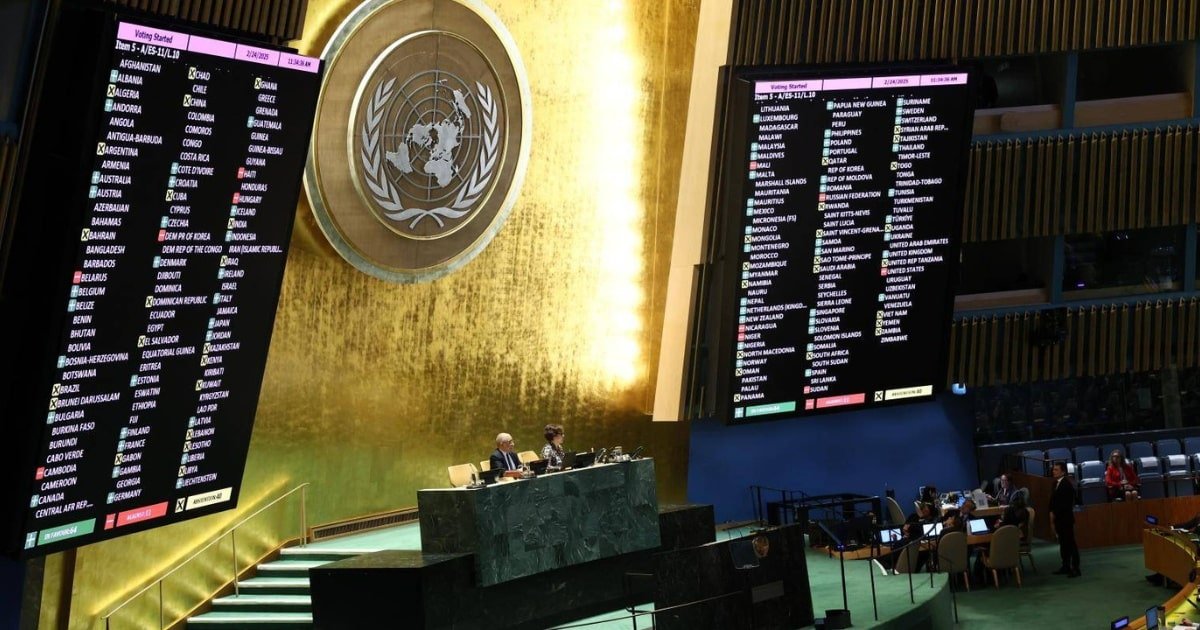
Liberal internationalism—rooted in institutions like the UN, WTO, IMF, ICC, and premised on shared democratic values—once dominated post‑Cold War global politics. Today, it faces mounting legitimacy crises. The paralysis of global institutions in addressing conflicts such as Ukraine and Gaza underscores its limits. Analysts argue that the liberal international order was never flawless—and may have been inherently structured to protect elites, not democratic ideals.
You May Like To Read: Power, Peace, and Proximity: US Tilt Toward Pakistan
Chatham House reports that the U.S. is retreating from the order it helped build, creating openings for revisionist powers to exploit. Similarly, studies by Ikenberry and Lake et al. warn that liberal internationalism’s expansion may have sown the seeds of its own undoing.
The Rise of Transactional Diplomacy
In the emerging reality, diplomacy increasingly amounts to deal‑making: energy-for-influence, trade-for-security, and arms-for-access agreements—with little concern for human rights or norms.
Bright Simons describes how under Trump, foreign aid was recast as transactional, explicitly linked to geopolitical and commercial interests rather than developmental ideals. Similarly, US maneuvering in the Russia‑Ukraine conflict shifted from value-based alliance solidarity toward conditions and quid pro quos. Arab News notes that within the EU and globally, transactional diplomacy has fueled populism and eroded rules-based engagement.
Recent analysis from Small Wars Journal underscores how NATO members like Turkey are now extracting concessions through opportunistic alliances—typifying realist, transactional behavior.
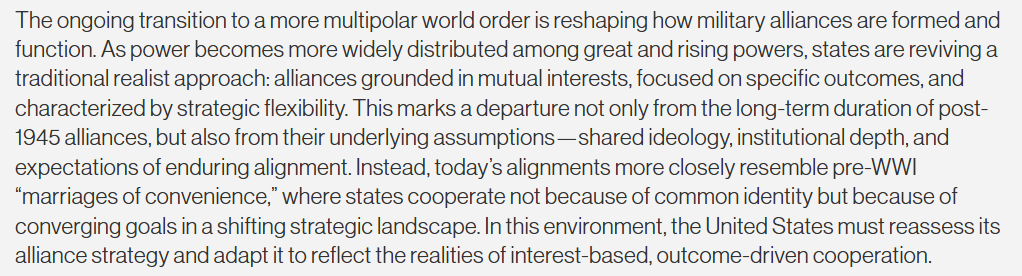
 Source: Small Wars Journal
Major Powers: Realist Pivot or Strategic Disengagement?
Major powers seem to be consciously disengaging from global normative leadership in favor of realist pursuits. The Washington Post frames this as the collapse of Pax Americana—arguing that the U.S. withdrawal as the arbiter of democracy and rules-based order has left a void, exploited by authoritarian rivals. The Financial Times warns of a prolonged disorder emerging from a more multipolar world, marked by bilateral security pacts and transactional alignments.
The Guardian points to Trump-style expansionism destabilizing post-war norms, including sovereignty and rejection of territorial conquest taboos. A companion commentary highlights the blunt transactional logic of Trump’s diplomacy with Ukraine and Gaza-related engagements. Together, these shifts suggest global powers are deprioritizing normative diplomacy in favor of arrangements driven by tangible advantage and leverage.
Implications for Global Governance & Pakistan
Multilateralism’s Retreat
- Global institutions are losing influence: the WTO’s appellate body remains dysfunctional; climate and trade frameworks are fractured or ignored.
- States increasingly turn to bespoke alternatives—BRICS+, AIIB, SCO—for engagement without normative oversight, bypassing human rights or governance conditions.
Pakistan’s Strategic Challenge
- Pathways narrow: Pakistan has traditionally relied on multilateral forums (UN Security Council, FATF, IMF) to mitigate external pressure and assert its interests.
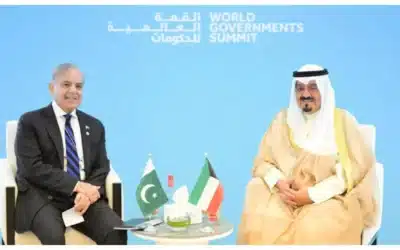
- Transactional openings tempt hedging: Pakistan leverages China’s BRI, Gulf investments, and US cooperation to hedge—but gains short-term stability, not normative backing.
- Norms vacuums hurt credibility: As democratic promotion fades, Bangladesh‑style human rights leverage diminishes. Pakistan risks isolation or coercion if bigger powers act transactional and capriciously.
Without strong investiture in rules-based mediation, Islamabad may find fewer neutral platforms to address long-standing disputes.
You May Like To Read: India to Maintain Russian Oil Imports Despite International Pressure
Theoretical Lens: Liberalism vs. Realism
- Liberalism envisioned interdependence and institutions as self-reinforcing. Scholars like Ikenberry argued for a rules-based order maintained by norms and shared interests.
- Realism, by contrast, accepts power politics and sees diplomacy as a vehicle for national interest. In the current era, realist thinking appears ascendant—prioritizing sovereignty, strategic autonomy, and short‑term gains.
The resulting dynamic suggests a return to power balancing, where ideological affinity recedes in favor of transactional calculations.
Towards a Normative Void?
The post‑engagement era marks more than a tactical shift—it signals ideological disillusionment. As liberal internationalism retreats, no viable normative alternative has emerged. The danger is not simply multipolar competition, but normlessness—a world defined by coercive bargains and ad hoc loyalty.
For Pakistan and similar states, this requires strategic recalibration: diversify relationships, invest in domestic institutional resilience, and recognize that the declining moral architecture of the global order may limit traditional diplomatic safeguards.