




Yemen’s Iran-backed Houthi rebels claimed a missile attack on the southern Saudi city of Jizan on Saturday, fulfilling pledges to retaliate against Saudi military strikes on Hodeida and Kamaran Island. The attack triggered emergency civil defense alerts across Jizan and the key Red Sea port city of Yanbu.
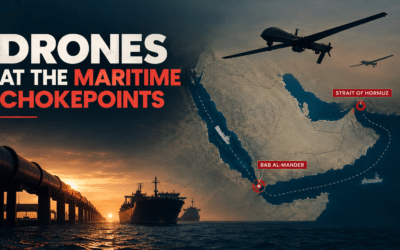
The cross-border missile engagement marks a major expansion of regional hostilities, effectively opening a dual-front maritime conflict that directly threatens both primary oil transport arteries in the Middle East: the Strait of Hormuz and the Bab al-Mandeb Strait.
Escalating Tit-for-Tat Actions Across the Red Sea
The exchange follows a swift series of tactical strikes and naval interdictions along Yemen’s western coastline:
-
Houthi Blockade Declaration: Earlier this week, the Houthis declared a formal maritime blockade against Saudi Arabia, warning commercial shipping firms that any vessels bound for or departing from Saudi ports would be targeted within range of Yemeni forces.
-
Targeting Commercial Shipping: Houthi forces claimed attacks on two Saudi-linked oil tankers in the Red Sea, including the NCC MASA, which sustained minor hull damage before resuming its voyage under Saudi escort.
-
Retaliatory Coalition Strikes: In response to threats against commercial navigation, Saudi-led coalition forces launched precision airstrikes against Houthi naval positions, targeting a telecommunications site, a naval base at Ras al-Kathib in Hodeida, and military assets on Kamaran Island.
-
Retaliatory Missile Strikes: The Houthis responded on Saturday morning by launching ballistic missiles toward industrial and refining facilities in Jizan, sparking localized fires and prompting short-lived air-raid sirens across southwestern Saudi Arabia.
Regional Volatility and Diplomacy Amid US-Iran Hostilities
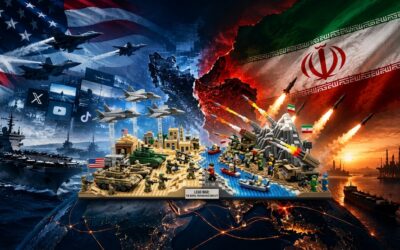
The confrontation along the Bab al-Mandeb comes against the backdrop of broader regional instability sparked by ongoing US-Israeli operations against Tehran and Iran’s parallel interdiction of commercial traffic in the Strait of Hormuz:
Regional Conflict Vectors & Chokepoint Dynamics:
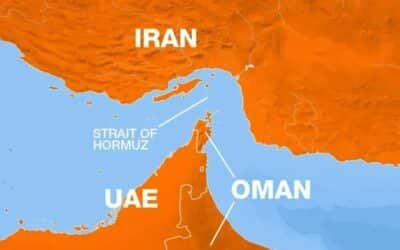
- Strait of Hormuz: Iran continues maritime interdictions, with IRGC Navy units stopping commercial vessels attempting unauthorized transit.
- Bab al-Mandeb Strait: Houthi forces execute a naval blockade targeting Saudi-flagged and Saudi-bound tankers, forcing global fleets to reroute.
- Gulf Military Infrastructure: Iranian forces continue targeting US assets across Bahrain, Jordan, and Kuwait, including alleged cyber-physical strikes on logistics hubs.
- Washington’s Diplomatic Posture: US President Donald Trump signaled a temporary pause on major kinetic escalations, stating that Washington is engaged in direct talks with Tehran, though maintaining that nuclear red lines remain firm.
Strategic Analysis: The Asymmetric Squeeze on Saudi Energy Infrastructure
The convergence of Houthi naval blockades with Iran’s containment strategy in the Strait of Hormuz places Saudi Arabia in a complex strategic position:
The Dual Chokepoint Squeeze on Oil Exports
For Saudi Arabia, the Red Sea corridor—serviced primarily through western terminals at Yanbu and Jizan—serves as the critical bypass for crude oil exports when the Strait of Hormuz is compromised. By extending the conflict to the Bab al-Mandeb Strait and directly attacking tankers operating out of Red Sea ports, the Houthis and their regional backers are attempting to close Riyadh’s only alternative maritime export pipeline. This dual blockade framework significantly elevates shipping insurance premiums and threatens global energy supply stability.
Operational Limits of Coalition Deterrence
Despite years of coalition interdiction, the Houthis retain sufficient anti-ship cruise missile, ballistic missile, and long-range drone capacity to disrupt commercial sea lines of communication. While Saudi air defenses successfully intercept a high percentage of incoming threats, the low cost of asymmetric missile saturation compared to the high cost of sophisticated air defense interceptors creates an unsustainable defensive calculus for critical industrial sites like Aramco infrastructure in Jizan and Yanbu.
Domestic Political Timelines in Washington
The expanding conflict presents significant political challenges for the White House. As US strikes enter their fifth month, rising energy prices, maritime disruptions, and domestic political friction ahead of the upcoming US midterm elections are compressing Washington’s strategic timeline. By signaling a willingness to negotiate while holding open the threat of higher-level strikes, the US administration is attempting to secure a diplomatic off-ramp before the Red Sea and Gulf blockades trigger broader global stagflation.