

Jakarta, Indonesia – Indonesia is facing a wave of nationwide protests following widespread public outrage over a new law granting lavish perks to parliament members. The demonstrations, which began last week, have escalated into deadly confrontations between protesters and security forces, prompting a call for an investigation from the United Nations Human Rights Office.
Escalating Unrest, and Fatalities
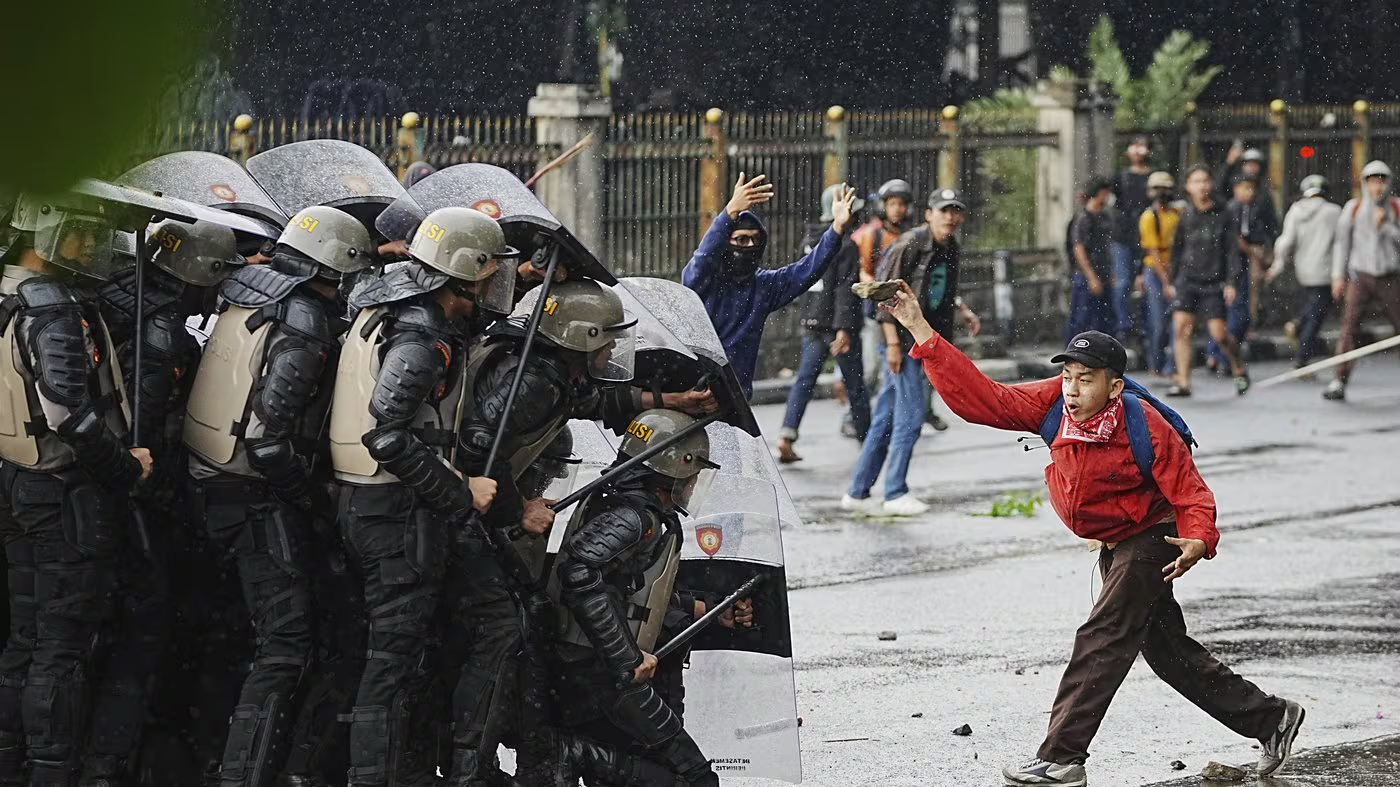
Protests, sparked by a parliamentary housing allowance nearly ten times Jakarta’s minimum wage, have spread from the capital to major cities across the archipelago. In Jakarta, thousands of protesters gathered outside the nation’s parliament, where they were met with a heavy security presence, including soldiers and police. President Prabowo Subianto issued a warning for protests to end by sundown, after which the crowds began to disperse.
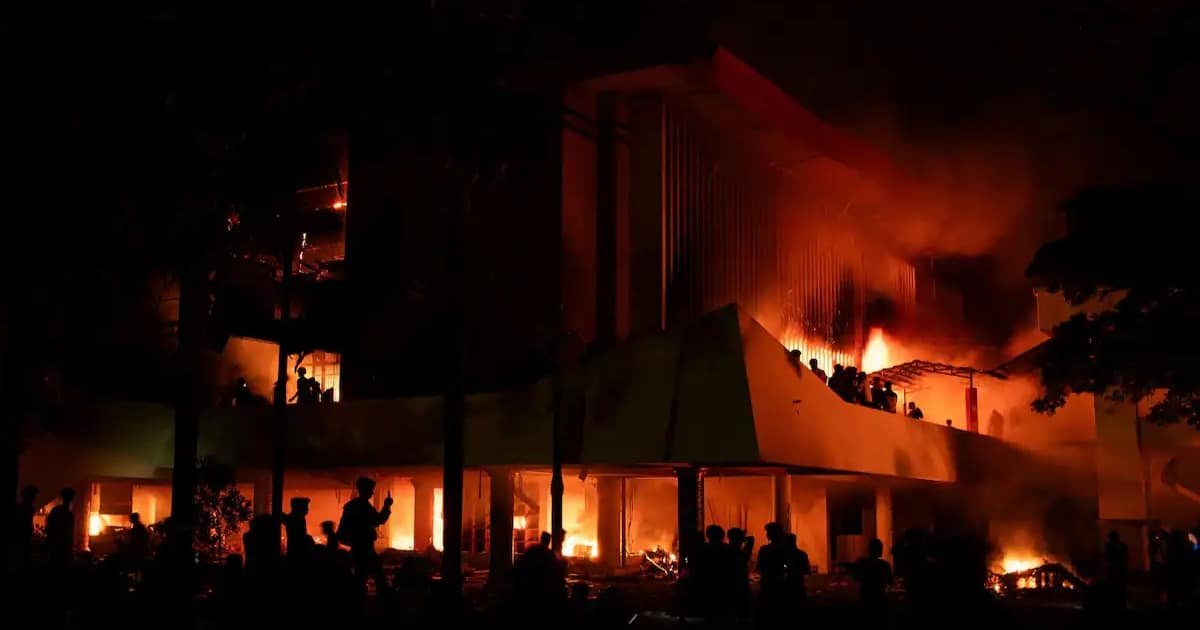
However, in other parts of the country, the situation turned more volatile. In Gorontalo city, clashes broke out, with police using tear gas and water cannons to disperse crowds. In Bandung, protesters hurled Molotov cocktails and firecrackers at the provincial council building. Demonstrations also took place in Palembang, Banjarmasin, Yogyakarta, and Makassar.
The unrest turned deadly after footage of a police vehicle running over a delivery driver went viral, with six people now confirmed dead in confrontations with security forces. Police have set up checkpoints and deployed snipers in key locations in Jakarta, with schools and universities switching to online classes and civil servants being asked to work from home to ensure public safety. President Subianto, after visiting injured police officers, criticized the protesters, stating that demonstrations must be pre-approved and conclude by 6:00 p.m.
UN Calls for Independent Investigation
The United Nations Human Rights Office has voiced serious concern over the situation, with spokeswoman Ravina Shamdasani calling for an investigation into the “alleged use of disproportionate force by security forces.” The UN is closely monitoring the violence and has emphasized the importance of dialogue to address public grievances. Shamdasani stated, “We are calling for prompt, thorough and transparent investigations into all alleged violations of international human rights law, including with respect to use of force.”
The deadly protests have forced President Subianto and parliamentary leaders to reconsider the controversial perks. One student protester, Nafta Keisya Kemalia, expressed the central demand of the movement: “Our main goal is to reform the parliament.” The protests underscore deep-seated public frustration with government policies and the perceived disconnect between the political elite and the general population.
You May Like To Read: