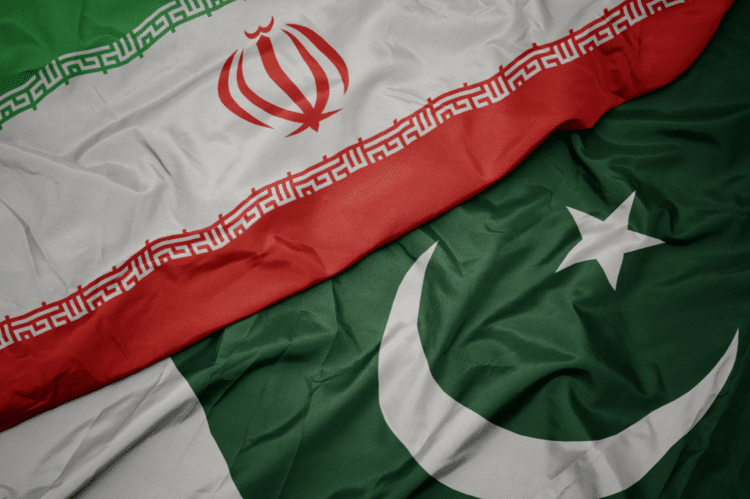





Relations between Iran and Pakistan have entered a unique, unprecedented era of solidarity and strategic cooperation, unaffected by external regional pressures or security challenges, according to Iranian Ambassador to Pakistan Reza Amiri Moghadam.
In a statement published on social platform X, Ambassador Moghadam described the bilateral relationship as standing “as high as the majestic peaks of Damavand and K2,” emphasizing that the historical links connecting Tehran and Islamabad are rooted in centuries of shared civilizational, cultural, and religious heritage.
Iran-Pakistan Ties Stands as High as the Majestic Peaks of Damavand and K2 pic.twitter.com/vHGSP1rkF2
— Reza Amiri Moghadam (@IranAmbPak) August 2, 2026
Historical Milestones and Shared Foundations
The Iranian envoy outlined key foundational pillars that define the long-standing geopolitical relationship between the two neighboring nations:
-
Mutual Diplomatic Recognition: Ambassador Moghadam highlighted historical diplomatic precedence, noting that Iran was the first sovereign state to formally recognize Pakistan upon its independence, while Pakistan was the first nation to extend recognition to the Islamic Republic of Iran following the 1979 Revolution.
-
Resilience to External Pressures: The ambassador emphasized that Islamic Republic-Pakistan relations have proven resilient against external political shifts and security friction, maturing into a broad-based partnership that serves as a potential model of neighborly coexistence across the wider region.
-
Shared Cultural and Civilizational Identity: Deep-rooted historical linkages provide a stable framework for contemporary diplomatic alignment, enabling both nations to maintain diplomatic momentum through changing regional dynamics.
Parliamentary Solidarity and Public Alignment
The statement underscored significant parliamentary and civic expressions of support during moments of regional tension:
-
Legislative Resolutions: Following external military escalations by the Israeli regime, Pakistan’s Parliament immediately passed a resolution affirming solidarity with Iran, reflecting strong inter-parliamentary alignment.
-
Public and Parliamentary Response in Tehran: Demonstrating reciprocated goodwill, members of the Iranian Parliament publicly voiced appreciation with chants of “Pakistan Tashakur” (Thank You, Pakistan) in the presence of the Iranian President, while Iranian citizens displayed Pakistani and Iranian flags together in public demonstrations.
-
Supreme Leadership Directives: The ambassador noted that the first Nowruz address by Iran’s Supreme Leader highlighted the strategic priority attached to relations with Islamabad, reaffirming the state policy of prioritize ties with neighboring Pakistan.
Escalators of Diplomatic Engagement: High-Level Visits
Bilateral interaction over the past two years has intensified significantly through regular military, diplomatic, and executive exchanges:
-
Presidential Visits: President Masoud Pezeshkian’s state visit to Islamabad in June 2026 conveyed formal appreciation from the Iranian government and populace for Pakistan’s stance during regional crises.
-
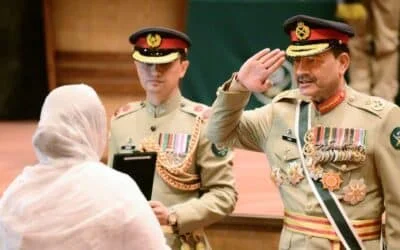
Defense and Security Channels: Sustained strategic consultations have involved regular high-level interactions between top military officials, including Chief of Defense Forces and Chief of Army Staff (COAS) Field Marshal Asim Munir, strengthening border security protocols and counter-terrorism coordination.
-
State Sympathy and Diplomatic Reciprocity: Pakistan’s official participation in commemorations for Iran’s martyred supreme leader further demonstrated mutual respect and formal diplomatic solidarity during critical transition periods.
Strategic Analysis: Regional Implications of Tehran-Islamabad Alignment
The public reaffirmation of high-level ties between Pakistan and Iran carries broader geopolitical implications for West Asia and South Asia:
Counter-Balancing Regional Instability and Border Security
Amid volatile security conditions across West Asia, close coordination between Islamabad and Tehran is vital for managing their shared 900-kilometer border. By reinforcing counter-terrorism mechanisms and operational communication between military leaderships, both capitals aim to neutralize non-state militant factions operating along the border, securing crucial trade routes and stabilizing the borderlands.
Geoeconomic Synergy and Regional Autonomy
The diplomatic emphasis on “sincere brotherhood” and regional self-reliance reflects a shared desire to insulate bilateral commerce from external sanction regimes and third-party influence. Enhanced cooperation—spanning border markets, energy pipeline discussions, and transit corridors connecting Chabahar and Gwadar—positions the Iran-Pakistan axis as an anchor for regional trade connectivity linking Central Asia, South Asia, and the Persian Gulf.