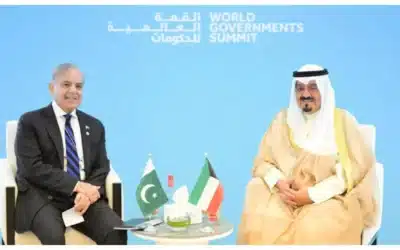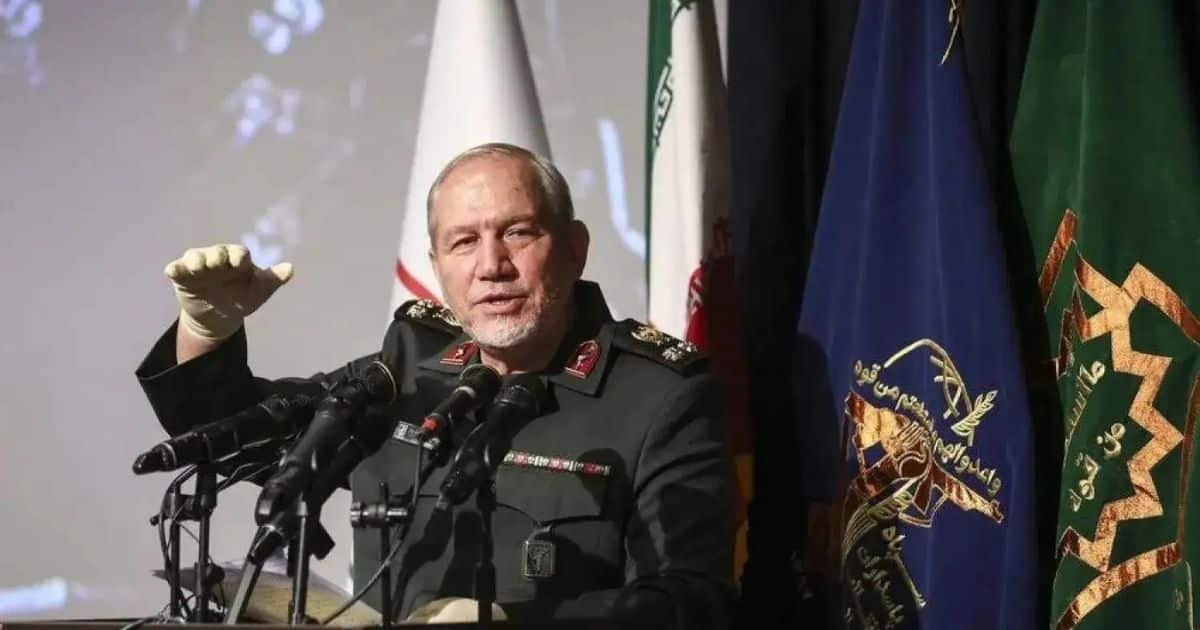


Major General Yahya Rahim Safavi, of Iranian Revolutionary Guards, said in a televised interview on Saturday that the “Strategic Mutual Defense Agreement” signed in Riyadh between Pakistan’s Prime Minister Shehbaz Sharif and Saudi Crown Prince Mohammed bin Salman should be regarded as constructive.
Safavi provided a direct assessment of the newly formed security framework: “We assess this treaty as positive. Pakistan has announced that other countries can join, and I recommend that Iran also participate,” Safavi said. He proposed an expanded regional defense structure, suggesting that “Iran, Saudi Arabia, Pakistan, and Iraq could move toward a collective pact.”
The Major General noted that while geopolitical factors are involved, “Even though Saudi Arabia and Pakistan would not finalize such an agreement without U.S. approval, we should declare readiness as a regional power. This falls under our military diplomacy and foreign policy to take an active role in regional defense-security treaties.”
#BREAKING 🇮🇷🇵🇰🇸🇦⚡- IRGC Major General Rahim Safavi, senior military advisor to Supreme Leader Ayatollah Khamenei:
‘As you know, Saudi Arabia and Pakistan recently signed a joint defense pact. I see this as a positive development, and if Iran were to also join, that would be… pic.twitter.com/XJtHTyn6bM
— Monitor𝕏 (@MonitorX99800) September 27, 2025
Context of Joint Deterrence
The Saudi-Pakistani deal, signed on Saturday, September 17, pledges that any act of aggression against either country will be considered an attack on both, requiring a joint response. The agreement, which the two sides described as “landmark,” aims to enhance mutual deterrence.
The signing came one day before an emergency Arab-Islamic summit in Doha on Sunday, convened after deadly Israeli airstrikes on Hamas leaders in the Qatari capital. This event underscored regional security deficits, leading to renewed calls from several countries, including Iran and Pakistan, for the creation of a regional coalition to defend Muslim nations against foreign-backed aggression. Pakistan’s Defense Minister Khawaja Asif also said that the assault on Qatar could not have happened without U.S. consent, urging Muslim countries to establish a NATO-style Islamic military alliance. The strikes occurred despite the presence of a major American military base in Qatar.
Preparedness, and Active Deterrence
Alongside support for regional cooperation, Iranian commanders reiterated their forces’ full preparedness to defend the country against any threat.
Major General Abdolrahim Mousavi, Chief of Staff of the Armed Forces, praised the achievements of the Islamic Revolution Guard Corps (IRGC), particularly its Aerospace Force, during Iran’s recent 12-day defensive campaign against U.S. and Israeli aggression. He stated: “These victories reflect the faith, innovation, and resilience of our commanders and fighters. They demonstrate that the strategy of active deterrence and decisive, crushing response is effective and instructive.” Mousavi further added that Iran is continuing to modernize its defense systems and that coordination between the Army and IRGC ensures both deterrence and the safeguarding of national independence.
Major General Amir Hatami, Commander-in-Chief of the Army, echoed the message, stressing that Iran constantly monitors adversary activities and will respond firmly to any miscalculation. Speaking during Sacred Defense Week, Hatami reminded young officers of the Army’s mission to safeguard independence, territorial integrity, and the Islamic Republic.
Hatami emphasized national resolve: “The enemy must know that, with the capacities, capabilities, and lofty ideals of the Iranian nation, we will inevitably emerge victorious. Our armed forces, supported by the people and guided by the wise leadership of the Commander-in-Chief, have always defeated aggression and will continue to do so.”
Iran’s military leaders stress that the country remains open to collective security frameworks while relying on its own deterrent capabilities. As Safavi underlined, the prospect of Iran joining a Saudi-Pakistan-led defense arrangement could strengthen regional security against foreign interference.
You May Like To Read: