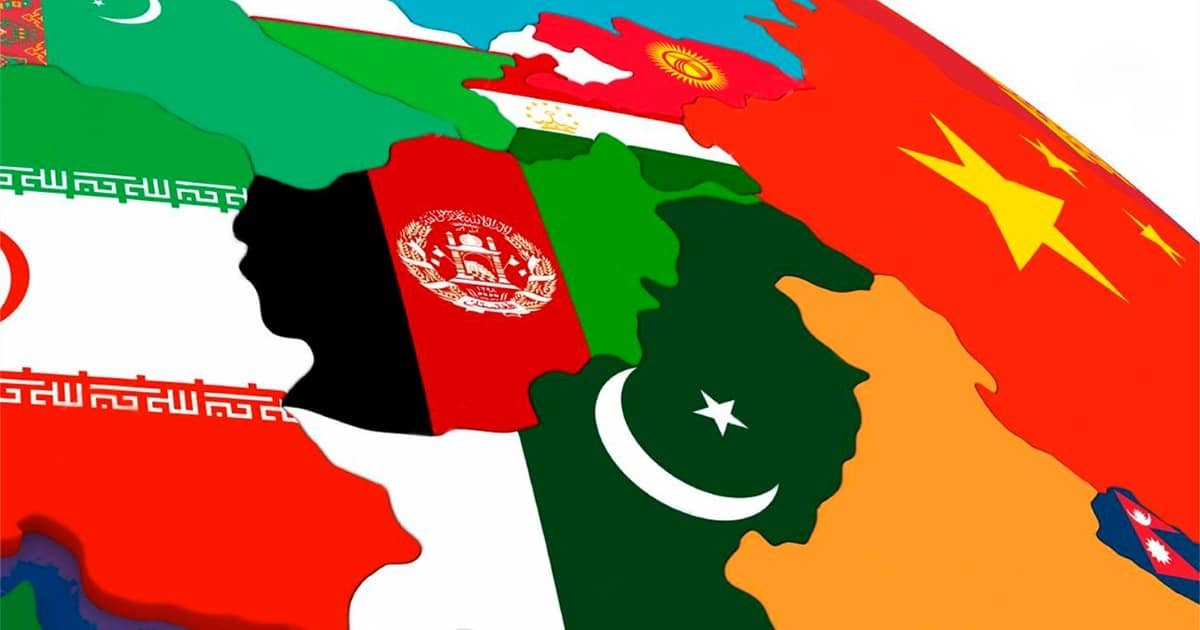





Pakistan’s foreign policy is perpetually tested by the intricate and often-volatile geopolitical landscape of South Asia. The concept of “Non-Alignment 2.0” suggests a new, more agile form of balancing great powers, distinct from the Cold War-era non-alignment movement. This analysis examines whether Pakistan is successfully implementing such a strategy or if it remains a state caught in the crossfire of competing interests, particularly in the aftermath of the May 2025 border conflict with India.
Managing Relations with the U.S.
Pakistan’s relationship with the US has been a rollercoaster of cooperation and estrangement. Historically a key non-NATO ally, Pakistan’s strategic importance for the US has shifted over time, especially with the US withdrawal from Afghanistan. The US is a major export market for Pakistan, and maintaining a positive trade relationship is crucial for its struggling economy. However, domestic political sentiment can be anti-American, particularly when US policies are perceived as hypocritical or detrimental to Pakistani interests.
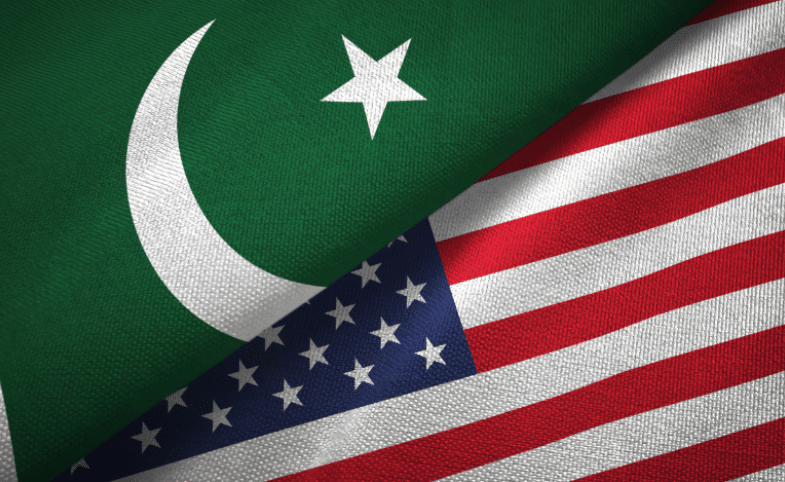
The US’s strategic pivot towards India has been a source of anxiety for Pakistan. However, the Trump administration’s recent outreach suggests a potential shift, driven by a transactional desire to use Pakistan’s geographical location for intelligence operations against Iran and China, and to extract concessions from India. This creates an opportunity for Pakistan to reassert its relevance, but also places it in a precarious position between two great powers.
You May Like To Read: Tragedy Strikes Off Yemen Coast as Migrant Boat Sinks, 76 Dead
Deepening Ties with China
The China-Pakistan relationship, often described as an all-weather friendship, is a cornerstone of Pakistan’s foreign policy. This partnership has deepened through the China-Pakistan Economic Corridor (CPEC) and extensive military cooperation.
Pakistan is heavily reliant on China for economic investment and military technology. The CPEC, while a symbol of this cooperation, also carries significant debt and security challenges from Balochistan militants.This relationship has generated concern from both the US and India. The US views Pakistan’s deepening ties with China as a counter to its own strategic objectives in the region, particularly its “India First” policy.
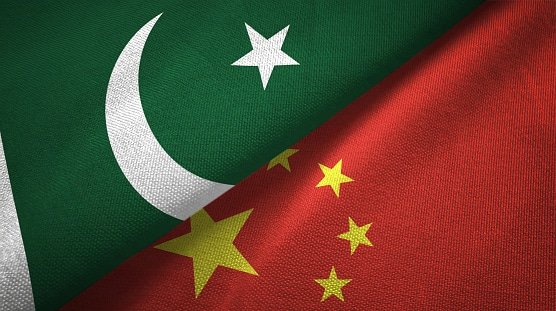
India, meanwhile, sees China’s military and economic support for Pakistan as a direct threat to its security. The May 2025 conflict, in which Pakistan’s air force utilized Chinese-made fighter jets and missiles, reaffirmed Pakistan’s dependence on Beijing and underscored China’s growing role as a direct party to India-Pakistan tensions.
Pakistan-India Relations
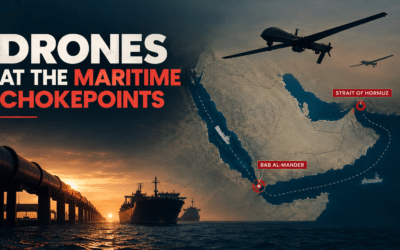
The May 2025 conflict was a significant turning point, marked by an unprecedented use of drone warfare and missile strikes deep within each other’s territory. This escalation, while not involving ground troops, demonstrated a new level of military preparedness and a willingness to push the boundaries of conventional warfare. The resulting ceasefire, brokered by the US, highlighted the continued internationalization of the India-Pakistan dispute.
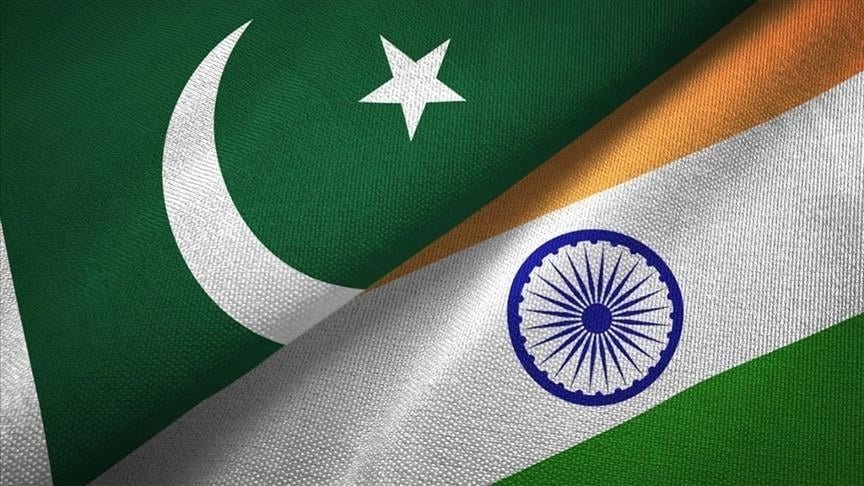
The conflict has likely intensified the hardline nationalist narratives on both sides, making it difficult for either government to pursue a path of de-escalation. In Pakistan, the military’s assertive posture, as evidenced by statements about opening a new front from the east, suggests a strategic recalibration aimed at exploiting India’s vulnerabilities and enhancing its own regional position.
The US, under the Trump administration, has taken a more transactional approach, seemingly prioritizing its own interests over a stable India-Pakistan relationship. While India is a key partner in its strategy to counter China, the recent US outreach to Pakistan, including a high-profile visit by a Pakistani Field Marshall, indicates a willingness to use Pakistan as leverage. This has complicated India’s foreign policy and potentially emboldened Pakistan’s military leadership.
You May Like To Read: Shifting Balance: The Decline of U.S. and China’s Soft Power in a Multipolar World
Afghan Border Challenges
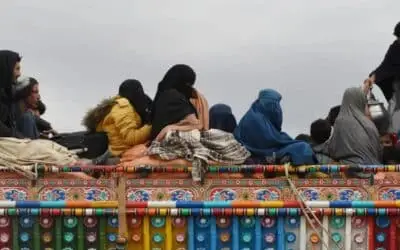
Pakistan’s relationship with Afghanistan, particularly with the Taliban government, remains a significant security challenge. Despite past support for the Afghan Taliban, the relationship has soured due to the presence and activities of the Fitna-al-Khawarij (FAK) within Afghanistan.
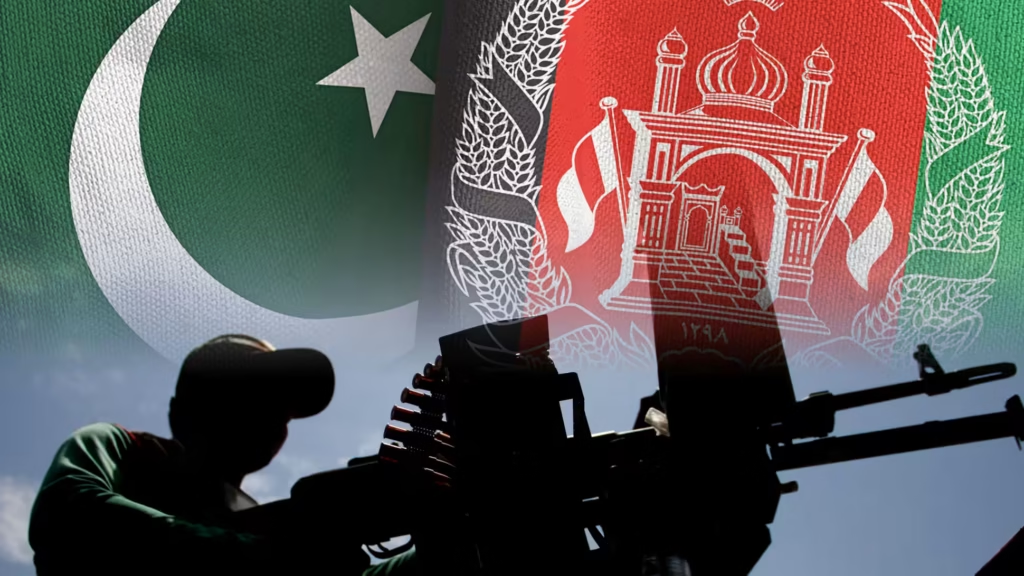
The FAK intensified attacks inside Pakistan, operating from safe havens in Afghanistan, pose a direct threat to Pakistan’s internal security. This has led to cross-border skirmishes and airstrikes, straining diplomatic relations. The porous border and the long-standing dispute over the Durand Line exacerbate these tensions.
Pakistan has sought international support, including from the UN, to pressure the Afghan Taliban to sever ties with the FAK. However, the Afghan Taliban maintains that FAK is an internal Pakistani matter. This leaves Pakistan in a difficult position, as it cannot rely on the Afghan government to address its primary security concern.
Caught or Carving Out a Path?
Based on these dimensions, it is more accurate to say that Pakistan is perpetually caught between competing powers rather than effectively carving out a “non-aligned 2.0” strategy. The core tenet of strategic autonomy, which implies the ability to make independent foreign policy decisions free from external influence, is severely constrained by a number of factors:
- Economic Dependency: Pakistan’s deep economic reliance on China and its need for a positive trade relationship with the US limit its ability to take a truly independent stance.
- Security Dilemma: The enduring security threat from India and the new challenges on the Afghan border force Pakistan to seek external alliances and military support, primarily from China, which in turn alienates other major powers.
- Geopolitical Instrumentalization: The US and China view Pakistan not as a sovereign partner with its own agenda, but as a piece on a larger geopolitical chessboard to be used against their rivals. This transactional approach prevents the development of a stable, long-term non-aligned strategy.
In sum, Pakistan’s foreign policy is a complex, reactive process driven by immediate security and economic imperatives. While it attempts to balance its relationships with China and the US, the internal and external pressures, particularly the volatile regional security environment and the transactional nature of great power politics, prevent it from achieving genuine strategic autonomy.
Instead of “non-alignment 2.0,” Pakistan’s current approach more closely resembles a delicate balancing act, with the ever-present risk of being pulled irreversibly into one camp or another.