




Subsidies in the Current Fiscal Moment
Subsidies have long been a feature of Pakistan’s economic map: from energy and food to fertiliser and targeted cash transfers. The policy debate intensified after Islamabad secured a new programme with the International Monetary Fund in 2024–25, which made fiscal consolidation and subsidy rationalisation central conditions of support. The IMF’s first review in May 2025 under the Extended Fund Facility underlined the need to tighten public finances and adjust costly transfers to reduce leakage and improve targeting.
You May Like to Read: From Textile to Tech: Can Pakistan Break Free from Low-Value Export Dependency?
Who Benefits; The Poor, or the Powerful?
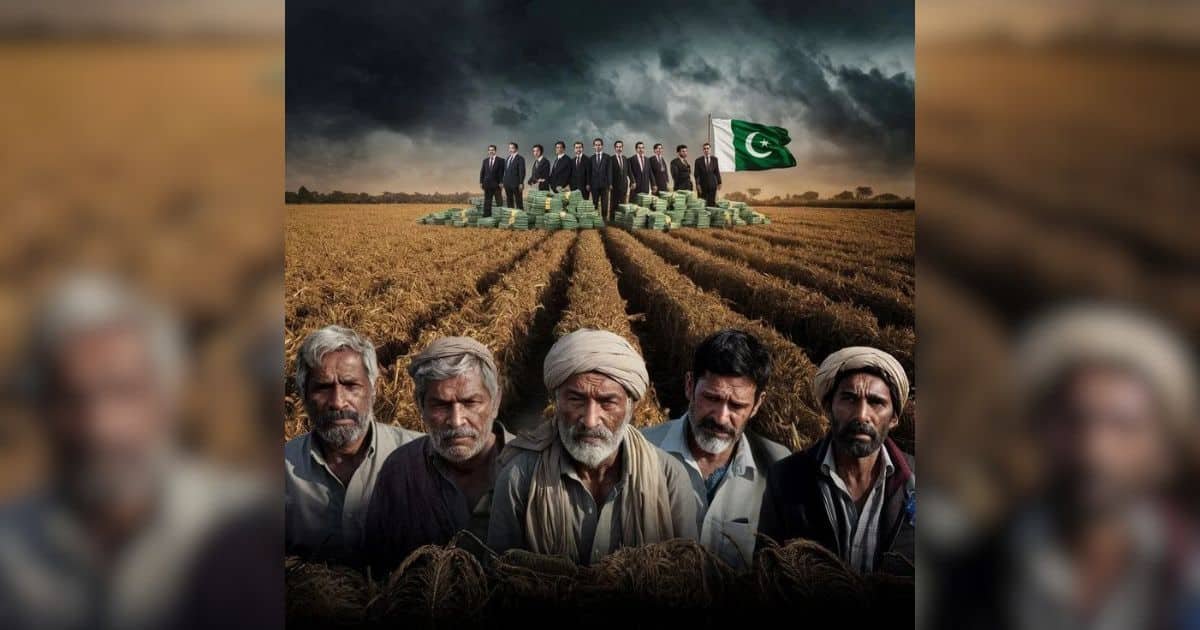
Public arguments for subsidies are straightforward: they protect the poor from price shocks and keep essential inputs affordable for farmers and firms. Yet the distributional reality is rarely so neat. Independent Pakistani research and commentary have repeatedly warned about “elite capture” situations where subsidies, tax breaks, or state contracts advantage well-connected groups and leave ordinary citizens with little real gain.
Recent policy choices show both sides of this tension. On one hand, provincial moves to support farmers, such as Punjab’s discussions around fertiliser support, respond to real political and economic pressures: agriculture employs a large share of the population and keeps food prices in check. In mid-2025, Punjab announced plans to offer a per-bag fertiliser subsidy for wheat growers to shield them from input costs during a difficult season. Such measures, when well targeted, can stabilise output and protect rural incomes.
On the other hand, the IMF and other creditors have pressed Islamabad to curb broad energy and fuel subsidies that mostly benefit wealthier consumers and industry, arguing that such subsidies are economically costly and poorly targeted. Domestic reporting has recorded IMF concerns about provincial and federal subsidy programmes and urged reforms to prevent fiscal slippage and smuggling. That pressure helps explain why tariff rationalisation keeps returning to policy debates even as it provokes public opposition.
You May Like to Read: Beyond Relief: Can BISP’s Skills Push Break the Cycle of Poverty?
Politics, Protest and Policy
Removing or reshaping subsidies is not only an economic choice; it is political theatre. Past attempts to raise energy prices or trim fuel support have triggered public anger and street protests. Governments therefore face intense pressure to shield voters from price rises, even at the expense of long-term fiscal stability. At the same time, macroeconomic constraints complicate room for manoeuvre: Pakistan’s central bank paused a string of rate cuts in early 2025 as authorities balanced cooling inflation with concerns about currency and the current account.
Design Matters: Targeting, Transparency, and Accountability
Not all subsidies are equal. A small, well-designed transfer targeted to low-income households or genuine smallholders can be pro-poor and effective. By contrast, universal or poorly monitored subsidies can become vehicles of elite enrichment, whether through diverted inputs, privileged procurement contracts, or subsidies that mainly lower costs for large industrial consumers. Pakistan’s challenge is to build administrative systems that can identify need, pay beneficiaries directly, and audit delivery. Civil society and independent auditors must be given the data and legal space to publish findings regularly without fear.
Concrete steps are possible. For example, conditional cash transfers can be scaled quickly using NADRA and the Benazir Income Support Programme’s infrastructure to target households hit by tariff changes, while input subsidies for farmers can be limited to verified plot sizes.
Digital payments, third-party audits and dashboards would make it harder for funds to be diverted and easier for citizens to judge outcomes.
You May Like to Read: The NADRA Paradox: Efficient Governance vs. Citizen Rights in the Digital Age
A Path that Protects the Vulnerable, and Curbs Capture
Pakistan cannot simply abolish all subsidies overnight without harm. But it can and must prioritise measures that make support transparent and temporary, while closing routes for capture. First, untargeted energy and fuel subsidies that disproportionately help richer households should be reduced, with compensatory cash transfers for poor families. Second, agricultural support should focus on small and tenant farmers through vouchers or subsidised input delivery tied to verified holdings. Third, procurement rules and audits must be tightened to stop diversion and ensure that any industrial concessions are time-bound and performance-linked.
Legislation that mandates published beneficiary lists and penalises officials who bypass procurement rules would make capture costlier. Donors and multilateral partners can support capacity building rather than imposing cuts. Accountability mechanisms.
Conclusions
The politics of subsidies in Pakistan sits at the intersection of welfare intent and patronage risk. To be welfare-enhancing, subsidies need clear objectives, transparent delivery, and sunset clauses. To avoid elite capture, Pakistan must strengthen institutions, from fiscal reporting to procurement oversight, while protecting the poor during transitions. The IMF programme and recent provincial choices have made this trade-off more visible, but the national conversation should move beyond slogans. If policymakers combine realism about fiscal limits with clear, transparent support for the vulnerable, subsidies can become a tool for development rather than a channel for capture.