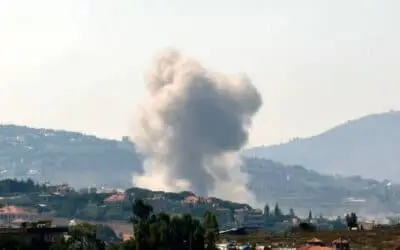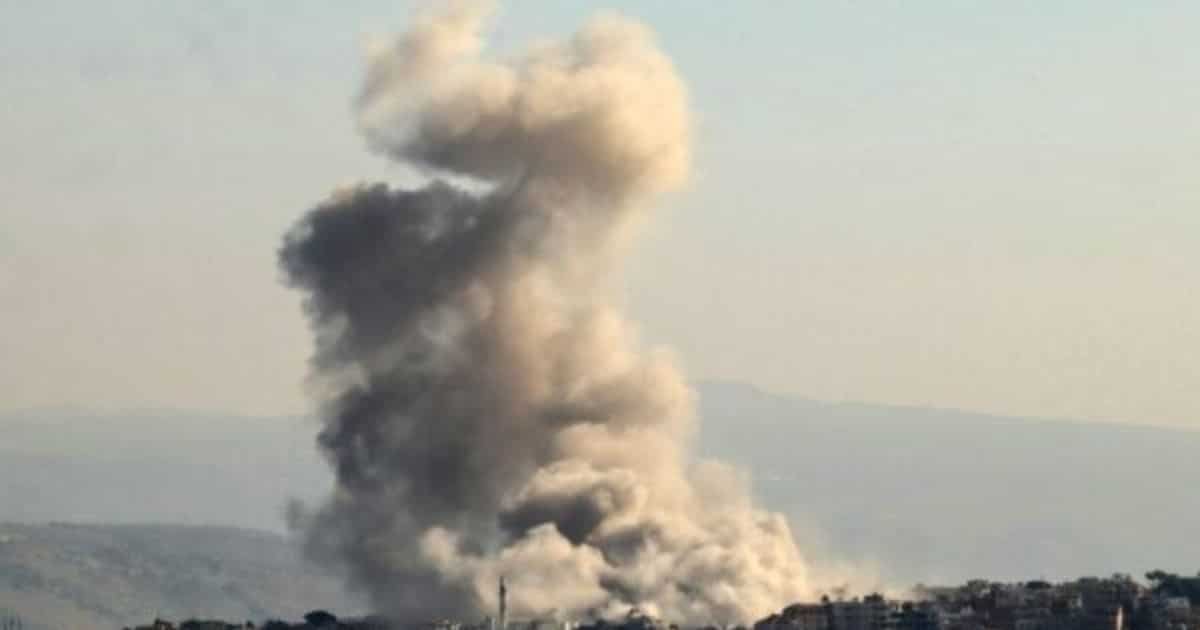



At least one person was killed and nine others wounded after Israeli air strikes hit multiple towns in southern Lebanon, escalating tensions nearly a year after a ceasefire was agreed between Israel and Hezbollah.
Israel carried out large-scale attacks in southern Lebanon on November 6, announcing a wave of strikes despite the ceasefire pic.twitter.com/yUOuLLMwJP
— TRT World (@trtworld) November 6, 2025
Lebanon’s National News Agency reported that Israeli jets struck the Tyre district and nearby villages, targeting residential areas. The Lebanese government condemned the attacks as a “crime under international humanitarian law,” with President Joseph Aoun accusing Israel of rejecting diplomatic solutions and violating the ceasefire on an almost daily basis.
Hezbollah responded by reaffirming what it called its “legitimate right to defend itself,” insisting it will not disarm while Israel continues military operations and maintains troops inside Lebanese territory. The group rejected ongoing US and Egyptian pressure for direct talks with Israel, saying negotiations would not serve Lebanon’s national interest.
You May Like To Read:SBP Launches ‘InvestPak’ Portal to Digitise Investment in Government Securities
UNIFIL, the United Nations peacekeeping mission in Lebanon, warned that Israel’s actions put civilians at risk and undermine efforts to maintain stability. The United States has urged Lebanon to disarm Hezbollah but has not taken steps to restrain Israel’s strikes.
Israeli Prime Minister Benjamin Netanyahu, who faces an ICC warrant for alleged war crimes in Gaza, recently threatened further military escalation in Lebanon. Defense Minister Israel Katz echoed the warning, saying Israel would “continue and intensify” operations to ensure security.
Despite the ceasefire, Israel has kept forces in multiple locations in southern Lebanon and frequently conducts air raids, claiming to target Hezbollah infrastructure. Hezbollah argues that Israel is exploiting the ceasefire to expand its control and says disarmament is impossible under continued occupation and strikes.
Lebanon remains volatile almost a year after Israel assassinated Hezbollah leader Hassan Nasrallah, an event that reshaped regional dynamics and weakened Hezbollah’s senior command structure.