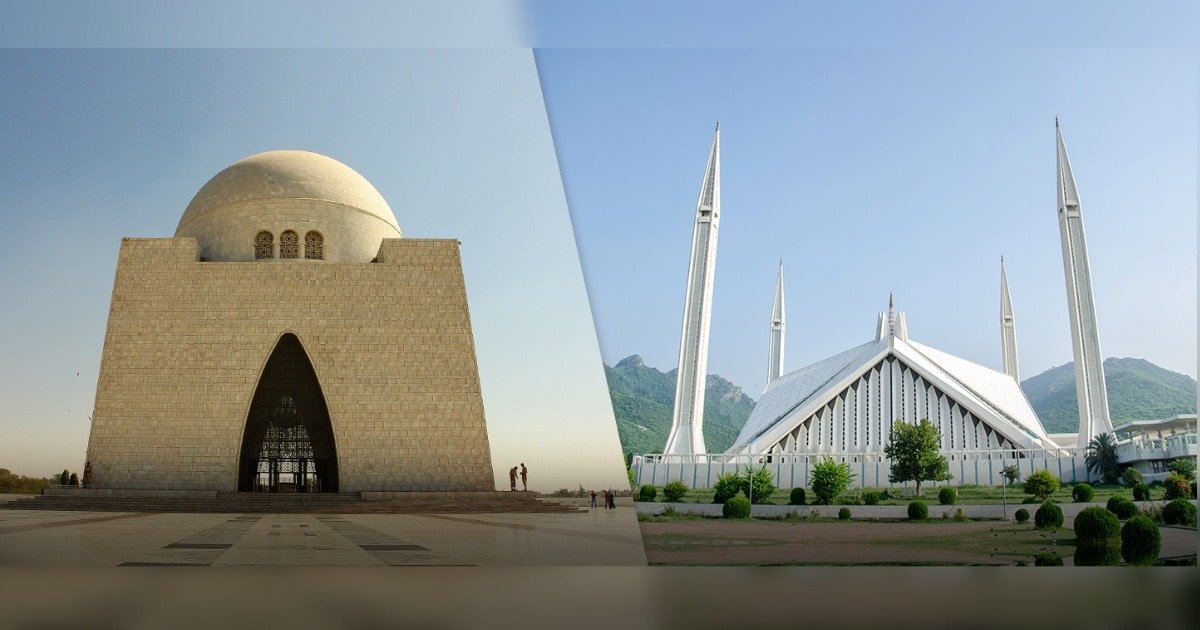





As Pakistan gained its independence on 14 August 1947, Karachi also became its initial capital city since it was the largest city in the country, a principal seaport, and also boasted of maintained infrastructure left behind by the Britishers that would accommodate the government offices and foreign embassies of the new nation. During those new years, Karachi became the capital of the new country, and the Constituent Assembly and major decision-making organs were situated here.
But in less than 10 years, the Pakistani leaders started to contemplate the transfer of the capital to some other place that would be more central, secure, and easier to control in the long run. Eventually, this decision brought about the famous planned city of Islamabad being in the foothills of Margalla Hills, and the establishment of this city was one of the most significant administrative changes in the history of the country.
Karachi was Pak’s first capital. In 1955, an area in the outskirts of the city (Gadap) was allocated for a new capital. But idea was dropped when, in 1959, a new area in northern Punjab was identified. It was named Islamabad and became fully functional in 1967.
[pic M. Hasan] pic.twitter.com/PpuKaz8i0F
— Nadeem Farooq Paracha (@NadeemfParacha) December 29, 2020
Karachi, the First Capital
Karachi has been a well-established port city with a thriving commercial base and modern infrastructure at the time of independence, as compared to other cities in the newly independent nation. The British had invested in their road system, railways, and port facilities, and this made the new government easily establish administrative offices in a short time. It was also situated along the coast, making it a perfect location to host international relations and trade services, as ships and foreign missions would gain easy access.
Soon, the city turned into the political heart of life, holding a Constituent Assembly, the house of the Governor-General, and the primary government secretariats. Karachi was rated with foreign missions and diplomatic missions, which strengthened its status as the political and international face of Pakistan.
But over the years, Karachi was to undergo serious problems. The influx of innumerable refugees in and after Partition strained its housing, infrastructure, and other types of public services to a great extent. The congestion was met by the high population rate, which led to a shortage in homes and water, plus electricity. There was also a growth of political tensions as the city started taking the shape of a melting pot where different ethnic groups with conflicting interests coexisted. All these issues, with administrative and strategic reasons, would ultimately drive the government to seek a new capital.
The Drive of a New Capital
By the mid-1950s, Karachi had grown so much in population that the infrastructure could not match it; thus, there was overcrowding, traffic issues, and a strain on the available public service system. Karachi was one of the busiest port cities filled with commercial and industrial activity; in turn, sometimes the needs of a peaceful, secure administrative city did not go well with the requirements of a busy port city.
Another issue of great concern was security. Since Karachi was coastal, it was prone to naval attacks when conflict was imminent, particularly with geopolitical tensions in South Asia. This is one of the strategic weaknesses that were outlined in strategic reports that suggested a safer place to be where the Pakistani capital is located. Also, the geographical location of Karachi in the extreme south of the country did not make it as friendly to the northern parts, especially to East Pakistan, which took much time to travel for both officials and citizens.
The concept of the shift of the capital was considered in the time of Prime Minister Liaquat Ali Khan, but it acquired earnest impetus during the presidency of Field Marshal Ayub Khan. Ayub foresaw a new capital, which was going to be located in the center, properly planned and devoid of the urban chaos that Karachi was experiencing. They needed a city specifically built with the purpose of governance, a spacious, safe, and symbolically representative city of a modern Pakistan.
You May Like To Read:
- The Historical Context: The Factors Fueling the Two-Nation Theory
- Independence Day Tribute: Chaudhary Rehmat Ali, The Man Who Gave the Name Pakistan
- Sir Syed Ahmed Khan: A Pioneer of Modern Muslim Thought in British India
Islamabad as the New Capital
After deciding to shift the capital, the government set out to find the best possible location. Site selection was done by surveying several locations before picking the location at the base of the Margalla Hills in the Potohar Plateau around Rawalpindi. Its location at the center enabled it to have access to various regions easily, and its height and inner position enabled it to afford protection against naval attacks.
President Ayub Khan himself led the project and hired Greek Urban planner Constantinos Apostolou Doxiadis, one of the pioneers of state-of-the-art city planning, to design the master plan of Islamabad. Doxiadis planned the city following a grid structure and division in residential, commercial, and administrative sectors, leaving spaces, a green environment, and developed road systems.
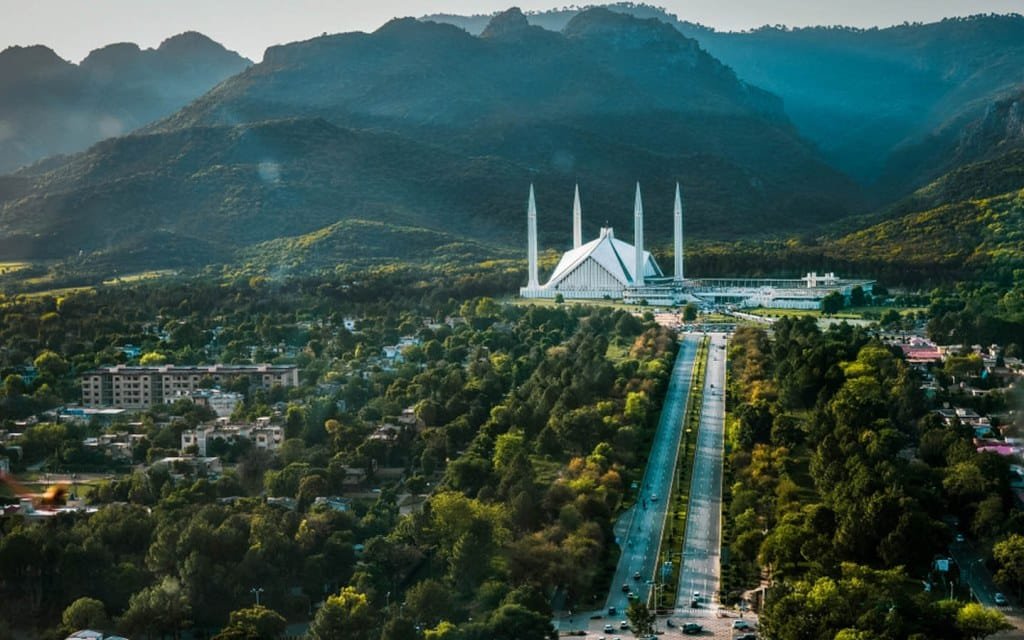
Getting the change accomplished with minimal disruption, Rawalpindi served as the transitional capital when the governmental seat was being built in Islamabad during the early 1960s. This enabled ministries and departments of government to move slowly without influencing national administration. By the mid-sixties, important government agencies started functioning out of the new capital, and on 14th August 1967, the new capital was officially declared the new capital of Pakistan.
Considerations of the Capital Shift
Movement of capital in Pakistan from Karachi to Islamabad led to administrative, political, and symbolic transformations to the country. When the capital was moved to a centrally located and ordered city, which was planned, the federal government could work in a peaceful and secure environment that was not occupied with crowds and business distractions of Karachi. The fact that Islamabad is designed in sectors that include government offices, residential, and diplomatic quarters contributed to the ease in upholding orderliness and efficiency in the administration.
This change implied some social and political impacts as well. Through the creation of Islamabad, the leadership of Pakistan was in a position to design a capital that depicts modernity, planned urbanization, and national integration. The shift, however, was considered an expensive undertaking that made the federal government lose touch with the biggest and most populous city in the country.
Islamabad exhibits the power of a vision committed to building a secure, working, and expressive capital as it is witnessed in its presence today. The coast-to-hills trip was one of the most iconic choices of the country, which marked the solidification of geography, politics, and planning to determine the country and its ruling history.