

A Six‑Month Extension in a Troubled Setting
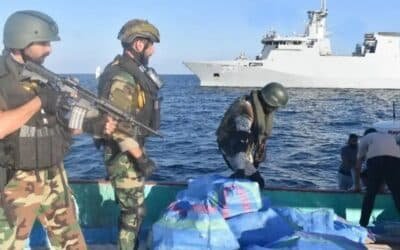
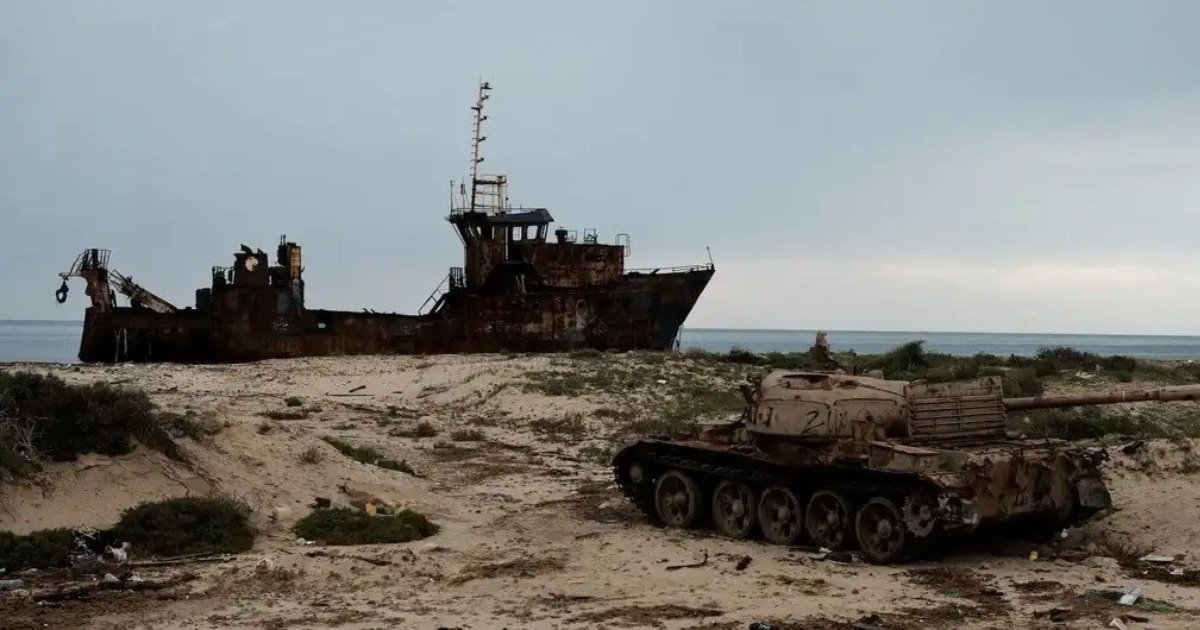
On 29 May 2025, the United Nations Security Council (UNSC) unanimously renewed the six‑month authorisation for vessel inspections off the coast of Libya aimed at enforcing the arms embargo in place since 2011. This renewal comes against a backdrop of persistent instability in Libya, where rival factions, weak institutions and foreign interference combine to make the arms embargo little more than paper compliance.
The measure seeks to curb weapons flows into the country’s warring east and west, yet it also highlights the limited tools available to the international community as Libya remains unwilling or unable to fully control its ports, airspace and borders.
Fragmented Governance and Entrenched Militias
Libya remains divided between two major power centres: a western authority in Tripoli and an eastern administration aligned with Khalifa Haftar in the country’s south and east. These rival entities continue to operate through umbrella armed groups and militias that respond more to local or foreign patrons than to a unified national government.
This fragmentation means that even where laws or United Nations resolutions exist, their implementation is incoherent. The central government in Tripoli lacks effective control over the many militias operating in its territories; in the east and south, Haftar’s forces dominate significant oil infrastructure and territory. The arms embargo, therefore, faces the classic problem of enforcement when the state itself is weak or divided.
You May Like To Read: IOM Mourns 42 Presumed Dead in Libya Migrant Boat Capsizing
Renewal of Inspection Powers: What It Means
The 2025 resolution not only extended the arms‑embargo regime but reaffirmed the UN’s right to inspect suspect vessels, particularly off Libya’s Mediterranean coast. It sends a signal that the international community remains focused on the risk that uncontrolled weapons flows could worsen conflict, fuel trafficking and prolong migrant crises emanating from Libya’s unstable shores.
However, the practical effect depends heavily on the cooperation of coastal states, and on naval and aerial assets capable of inspection. The resolution also introduced a modest adjustment allowing assistance to Libyan national forces under notification procedures, a reflection of Libya’s own request for flexibility.
Foreign Intervention and Arms Flows: A Persistent Problem
Despite the embargo, multiple reports over recent years highlight that foreign states and non‑state actors continue to supply weapons, equipment and training to Libyan factions. A 2024 UN Panel of Experts report noted that the arms embargo “remained ineffective where Member States controlled the logistical flow and supply chains to armed actors in Libya.”
Although direct 2025 disclosures on specific state transfers are limited, the historical pattern remains instructive. Earlier analyses attributed violations to parties such as Turkey, Russia, the UAE and others.
For example, a 2020 report described large‐scale Turkish and Emirati support to opposite sides of Libya’s conflict, including drones, anti‑tank missiles and armoured vehicles, in violation of the embargo.
In current terms, Libya’s renewed agreements with Turkey over hydrocarbon development in June 2025 also raise questions about the security dimension of such partnerships: foreign military presence or hardware arrangements often accompany such economic pacts.
In effect, external meddling continues to undermine the spirit of the arms embargo: weapon supplies may not always be publicly traced, but the underlying dynamic remains, the more foreign support one faction receives, the more the balance of power tips, the less negotiation and reconciliation becomes viable.
Why the Embargo Matters Beyond Libya’s Borders
Although the arms flows are internal to Libya, their consequences reach into broader regional security and migration. The enduring instability in Libya means that armed groups, including militias responsible for migrant smuggling, operate with impunity. Libya is a key transit point for migrants seeking Europe, and weak state control means traffickers and armed groups can exploit weapons imported for domestic conflict to bolster smuggling networks.
Furthermore, arms that enter Libya but are not contained often leak into neighbouring states or to extremist groups across the Sahel, as earlier UN expert studies indicated.
The renewal of inspection powers thus also serves European states and Mediterranean neighbours, including Pakistan by extension of global norms, which have an interest in stabilised transit routes and limiting proliferation of small arms.
Why the Elongated Renewal May Be Insufficient
While renewing the embargo is necessary, several key weaknesses remain. First, the six‑month time‑frame reflects the UNSC’s recognition of uncertainty, but also limits the prospects of longer‑term building of enforcement capacity. Second, the reliance on vessel inspection offshore assumes maritime routes are the principal channel, but air and land routes remain major vectors for weapon flows into Libya, via neighbouring states with weak oversight. Third, national will is lacking: states implicated in arms transfers often deny violations, and the sanctions regime struggles to enforce consequences. Fourth, the fundamental problem is the fractured Libyan state; unless political reconciliation and security sector reform advance, the embargo will remain a band‑aid rather than a cure.
Moreover, allowing exceptions for “technical assistance and training” to Libya’s national forces may be wise, but the risk remains that such assistance could mask actual weapons transfers or build dependency on foreign actors rather than promote genuine national institutional capacity.
For Pakistan and other countries watching from afar, the lesson is that arms embargoes without local ownership, enforcement capacity and political settlement rarely succeed in isolation.
Conclusion: An Imperfect Tool in a Complex Conflict
The UNSC’s renewal of the arms embargo inspection powers off Libya’s coast is a timely reaffirmation of international concern. But in the absence of strengthened oversight, state consolidation and curtailment of foreign meddling, the embargo remains a weak deterrent. Libya’s path to peace is blocked by external actors supplying weapons, factional violence and the absence of a unified security architecture. Without addressing the root causes of the conflict, militia fragmentation, unstable governance and foreign sponsorship, the arms embargo renewal will register as a diplomatic milestone, but not a substantive turning point.
For Pakistani and global observers alike, the continuing saga of Libya underscores that arms control measures matter, but must be paired with political strategy, regional coordination and enforcement mechanisms, with Libya as a stark example of how easy it is for clauses on paper to falter in practice.
Check out our latest video: