



Germany’s recent leap in defence spending has drawn attention from capitals across the world and stirred debate at home. What began as a reaction to Russia’s 2022 invasion of Ukraine has become a broader policy shift: bigger budgets, faster procurement rules and a growing role for German defence firms. But does a bigger budget mean Berlin is preparing for global war, or is it simply realigning to a more dangerous Europe? A sober look at the facts suggests the answer is more cautious than alarmist.
You May Like to Read: Germany Halts Military Exports Amid Concerns Over Civilian Suffering in Gaza
A rapid increase, and where the money is coming from
Since 2022 Germany has abandoned decades of tight fiscal restraint on defence. A €100 billion “special fund” (Sondervermögen) set up then was followed by further budget changes and debt-rule reform that allow large, targeted borrowing for defence and infrastructure. In 2024–25 a combination of the regular defence budget and these special funds pushed Germany into the top ranks of global military spenders, with analysts reporting a sharp year-on-year rise that placed Berlin among the world’s largest defence spenders. Recent budget approvals for 2025 and subsequent medium-term plans envisage further major increases, with some government documents and reports indicating the aim of reaching higher NATO spending targets over the coming years.
What Germany is buying, and why
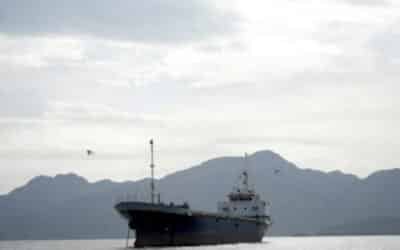
The procurement push is broad. Berlin is buying more ammunition, modern armoured vehicles, air defence systems and is investing in naval capabilities. German defence companies are expanding, in one high-profile case, Rheinmetall announced moves into naval shipbuilding to meet rising demand for vessels and maritime systems. The aim is not only to replenish worn stocks but to build a sustained capability across land, air and sea that can operate with NATO partners and supply Ukraine-sized crises if needed. This is being coupled with laws to speed procurement and ease construction of military bases.
You May Like to Read: NATO Intercepts Russian Warplanes Violating Estonian Airspace
Nato, targets and political pressure
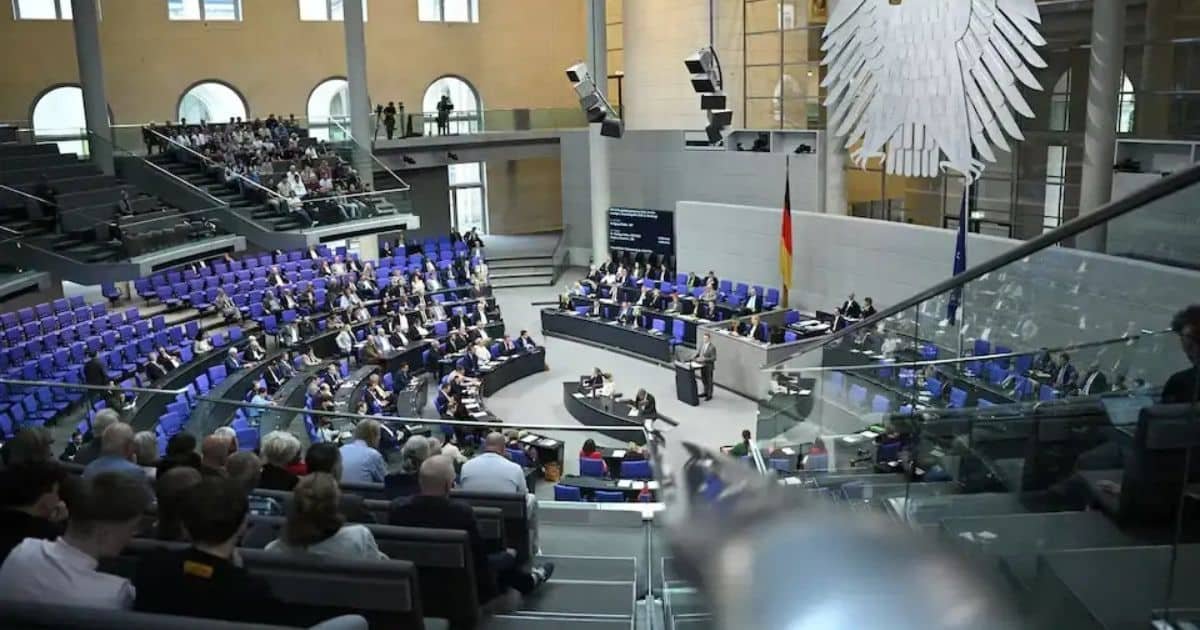
A central driver is NATO politics. Alliance spending norms have been tightened, and Germany faces pressure to both hit the 2 percent of GDP benchmark and to meet newer, higher expectations set in recent alliance talks. Berlin’s planners argue that a stronger German contribution makes NATO more credible and reduces the burden on smaller allies. Domestically, successive governments, and a broad political consensus since 2022, have accepted that the Zeitenwende (turning point) in security policy requires a sustained investment. But targets and actual capability are different things: experts still warn about procurement bottlenecks, delivery delays and dependence on a few large contractors.
Economic and industrial logic
There is a clear industrial logic to higher defence budgets. Germany has one of Europe’s most capable defence industries, and long-term orders sustain jobs, research and supply chains. Big contracts create incentives for mergers, vertical integration and an expanded role for firms that previously focused on land systems to branch into ships and naval systems. Rheinmetall’s €1.35 billion acquisition of NVL shows how Germany’s defence surge is fuelling consolidation and diversification in its arms industry. By adding naval shipbuilding to its tanks and ammunition portfolio, the group is positioning to capture Europe’s growing military budgets and secure long-term industrial capacity.
That industrial push reduces reliance on foreign suppliers and aims to secure sovereign capabilities in critical sectors. At the same time, critics worry about the crowding out of civilian investment and about whether such rapid reorientation is fiscally sustainable over a decade.
Rheinmetall agrees to buy warship maker NVL in expansion push | REUTERS
Is Berlin preparing for a global war?
The language of “preparing for global war” is dramatic and misleading. Germany’s moves are best read as preparation for a more dangerous neighbourhood and for coalition-based responses under NATO, not as a plan to wage global conflict alone. The investments prioritize interoperability, sustainment, and replenishment, things that make sense if Europe faces prolonged crises rather than immediate global conquest. Political statements and budget lines emphasise defence of the homeland, support for partners like Ukraine, and deterrence. Nonetheless, the scale and speed of the build-up do shift Germany’s international posture; a country that once avoided heavy arms exports now feels compelled to be a security provider.
Risks, transparency and democratic oversight
Rapid defence expansion brings risks. Procurement speed-ups can weaken oversight and lead to waste or delays if projects are rushed. Large, long-term defence borrowing creates future fiscal strains that may force trade-offs in social spending. There is also the diplomatic risk that neighbours interpret the build-up in different ways, some may welcome a stronger European pillar inside NATO, others may worry about escalation. For democracies, the essential safeguards are transparency, strong parliamentary control over big purchases, and clear public debate about the purposes and limits of rearmament. Recent reforms have tried to balance urgency with oversight, but critics say the balance is fragile.
What it means for Pakistan and the broader world
For Pakistan and countries outside Europe, Germany’s build-up is primarily a European affair: it affects defence-industrial competition, arms markets and the shape of NATO’s commitments. Islamabad should watch the industrial partnerships, technology transfers and shifting export rules that could change global arms flows. For global security, stronger European capabilities may deter aggression in Europe and free up diplomatic space elsewhere, but they also underline a sobering reality: the post-Cold War military calm in Europe was not permanent.
You May Like to Read: Pakistan-Germany Foreign Ministers Discuss Bilateral, and Regional Ties
Conclusion
Germany’s defence surge is large and consequential, but it is not evidence of an imminent desire in Berlin to start a world war. Rather, it is a response to perceived threats and alliance politics, combined with industrial considerations. The crucial questions for Germans, and for the world, are whether the build-up will be managed transparently, whether it will strengthen Europe’s ability to deter and defend without provoking unnecessary escalation, and whether the financial burden will be sustainable over the long term. Those answers will shape Europe’s security for years to come.
You May Like to Read:
- Fundamental Shifts in Air Superiority Paradigm Driven by AI, and Drone Technology
- August 13, 1961: The Beginning of the Berlin Wall Construction
- Ukraine-Russia Conflict: Military Offensive and Diplomatic Disagreement
- U.S. Commits to Ukraine Security via Air Power | NATO Partners Begin Planning Post-Conflict Guarantees