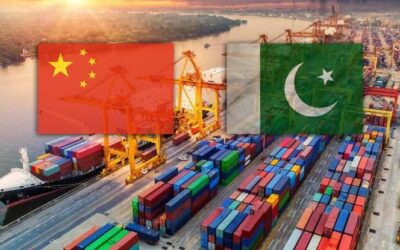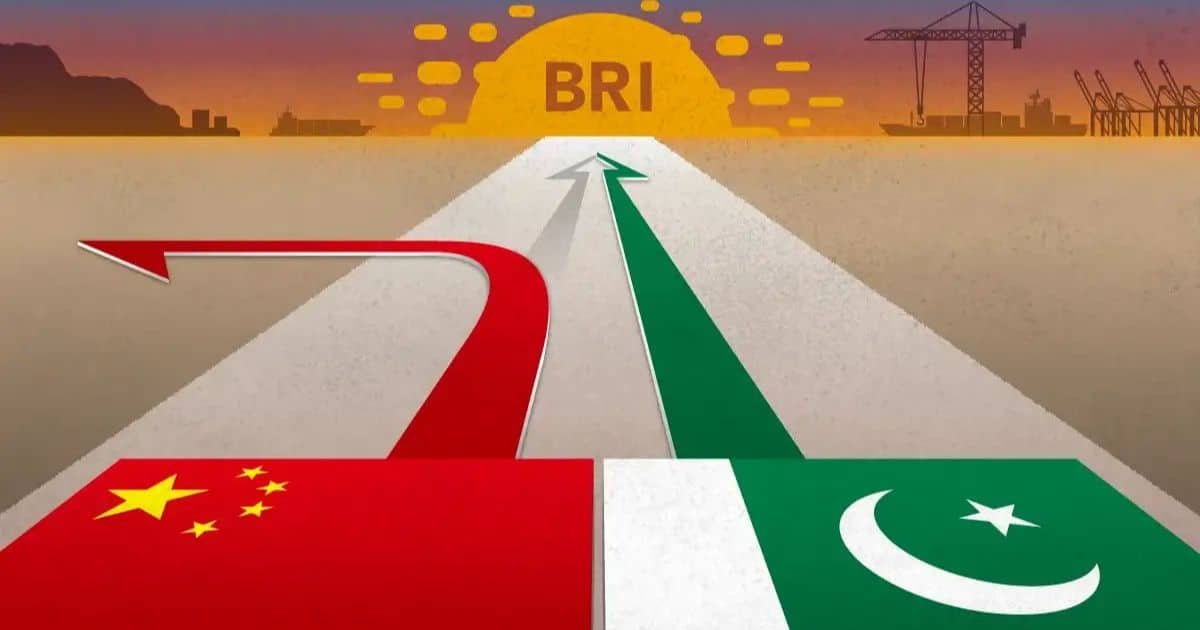




As Beijing recalibrates its overseas ambitions and global economic pressures reshape the Belt and Road Initiative (BRI), Pakistan finds itself at a familiar crossroads. For more than a decade, the China–Pakistan Economic Corridor (CPEC) has been the country’s largest strategic bet, promising highways, power plants and ports that could reshape trade and industry. But recent signs of Beijing’s cautious shifting, often described as “de-risking,” mean Islamabad must now rethink how it extracts value from the relationship without losing momentum.
What ‘de-risking’ actually means
“De-risking” is not a single policy but a set of responses from Beijing and Chinese companies to slower growth at home, tighter global finance, and geopolitical headwinds. At its core it means more selective overseas lending, an emphasis on commercially viable projects, and stricter scrutiny of political and credit risks. China’s own growth has moderated in 2024–25, prompting officials to balance global engagement with domestic priorities. International analysts also note Beijing’s gradual shift toward smaller, higher-quality projects rather than large, headline megaprojects.
You May Like to Read: Trade Sanctions as a Tool of Hegemony: How the Global South Can Respond?
Signs the BRI is changing, and what it means for Pakistan
The BRI remains active, but its shape is changing. Global trackers show that while construction and investment continued strongly into 2024, the overall pattern has tilted toward projects with clearer commercial returns and toward regions that serve China’s supply-chain or resource needs. For Pakistan, this has translated into mixed signals: fresh memoranda and private investment are still being discussed, but some large flagship projects have slowed or been restructured with multilateral partners or different financing mixes. That means Islamabad can no longer assume automatic, full-scale Chinese financing on previous terms.
You May Like to Read: Pakistan, and China Sign Landmark MoUs Worth Over $8.5 Billion
The immediate impact: projects, financing and politics
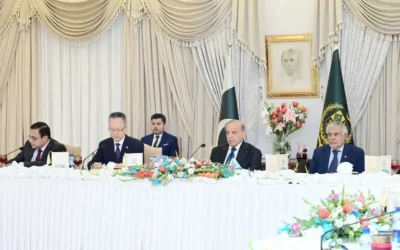
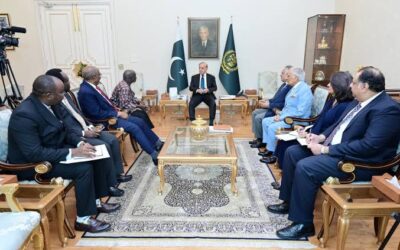
On the ground, the effect is pragmatic rather than catastrophic. Pakistan and China continue to sign deals, recent announcements during high-level visits included new investment pledges and joint ventures in energy, mining and industry. Yet there are also reports of project reconfigurations and greater involvement of third-party financiers for large infrastructure, reflecting Chinese caution about concentrated exposures. Pakistan’s fiscal constraints and payments arrears to foreign contractors have amplified the difficulty of moving big projects forward without more innovative financing. The bottom line: the relationship endures, but the rules of engagement are shifting.
How Pakistan can adapt: practical steps, not panic
Pakistan’s response should be strategic and realistic. First, Islamabad must prioritise “bankable” projects that deliver quick economic returns, logistics hubs, economic zones with export potential, and renewable energy that attracts private capital. Second, diversifying financing is essential: blending Chinese investment with multilateral lenders, sovereign bonds tied to clear revenue streams, and public-private partnerships can reduce dependence on any single backer. Third, faster bureaucratic approvals, transparent procurement, and stronger protection for investors will make Pakistan a more attractive destination for cautious Chinese firms. Finally, leveraging CPEC’s existing infrastructure to boost local industry, small and medium enterprises, value-added exports, and training for technicians, will help convert roads and ports into jobs and tax revenue.
You May Like to Read: Pakistan Navy, and China’s Collaboration Leads to Major Offshore Gas Discovery
Political and diplomatic balancing
Pakistan must also manage the political dimension. Beijing still sees CPEC as strategically important, and Islamabad should exploit that goodwill while avoiding overreliance. Strengthening ties with traditional partners and new investors, from the Gulf to Europe and regional multilateral banks, does not mean turning away from China; it means creating a more resilient, diversified economic strategy. Diplomacy should focus on practical assurances: security for projects, clear legal frameworks, and predictable policy to reassure long-term investors.
A long game with shorter deadlines
Adapting to a “de-risked” BRI is not about abandoning CPEC but about reframing expectations and acting faster. Pakistan can still attract Chinese capital if it presents projects that meet the new standards of commercial viability, social acceptability and environmental compliance. The clock is not running out on the corridor, but momentum counts. Those who move early to reform permitting, strengthen public finances, and package projects to share risks will capture the next tranche of investment. Those who wait for old formulas to return may find opportunities shrinking.
Conclusion
China’s reappraisal of overseas risk and the BRI’s gradual reshaping are real realities, but they are not an existential threat to Pakistan. They are a call for policy realism. Pakistan’s task is to make itself a lower-risk, higher-return partner through better governance, diversified financing, and concrete economic planning that turns infrastructure into industry. If Islamabad meets the challenge, CPEC can move from being a symbol of promise to a programme of measurable, long-term gains for ordinary Pakistanis.
Check out our latest video: