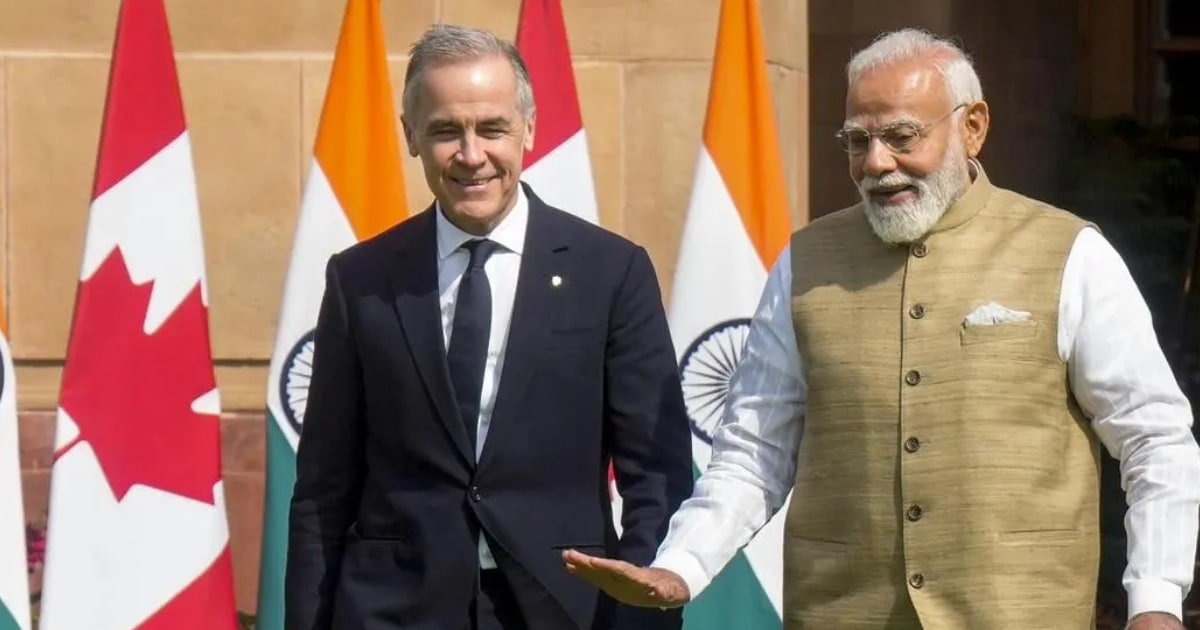




Pakistan has issued a formal diplomatic protest against the recently concluded uranium supply agreement and nuclear cooperation framework between India and Canada. Foreign Office spokesperson Tahir Andrabi warned that the deal provides “preferential access” to a state outside the Non-Proliferation Treaty (NPT), further destabilizing the fragile strategic balance in South Asia.
🔊PR No.6️⃣1️⃣/2️⃣0️⃣2️⃣6️⃣
Statement by Spokesperson @TahirAndrabi on Uranium Supply Agreement between Canada and India.
🔗⬇️https://t.co/Oato72mnUD pic.twitter.com/RR4jzaHxKj
— Ministry of Foreign Affairs – Pakistan (@ForeignOfficePk) March 5, 2026
The “Irony of History”: Recalling the 1974 “Smiling Buddha” Test
In a pointed reminder to the international community, the Foreign Office noted the historical irony of the new arrangement.
-
Canadian Reactor Misuse: Spokesperson Andrabi recalled that India’s first nuclear test in 1974 was conducted using plutonium diverted from a Canadian-supplied “peaceful” reactor.
-
The NSG Factor: That act of proliferation directly necessitated the creation of the Nuclear Suppliers Group (NSG). Pakistan argues it is contradictory for the very state that triggered global export controls to now receive “country-specific exceptions” from its original supplier.
Strategic Implications: Fueling a Nuclear Arms Race
Pakistan’s primary concern centers on the “fungibility” of nuclear fuel. By securing vast quantities of uranium from Canada for its civilian sector, India can now divert its limited domestic uranium reserves exclusively toward military purposes.
-
Fissile Material Expansion: The Foreign Office warned this could lead to an accelerated growth of India’s nuclear arsenal and the expansion of its fissile material stockpiles.
-
SMR and Advanced Tech: The deal’s inclusion of Small Modular Reactors (SMRs) and advanced nuclear technologies raises further alarms regarding the transfer of dual-use technology without universal safeguards.
The “Safeguards Gap” and Global Standards
Pakistan highlighted that India has failed to place all its civilian nuclear facilities under International Atomic Energy Agency (IAEA) inspections.
-
Lack of Binding Commitments: Andrabi noted that the Canada-India deal lacks concrete non-proliferation assurances, allowing several Indian facilities to remain “shrouded from international oversight.”
-
Criteria-Based Approach: Pakistan reiterated its demand for a non-discriminatory, criteria-based approach to nuclear cooperation that applies equally to all non-NPT states, rather than selective “political exceptions” that undermine global credibility.
You May Like To Read: Strait of Hormuz Crisis: Can the US Benefit from the Global Oil Shock
Regional Stability at Risk
The statement concluded by emphasizing that such “selective arrangements” risk deepening existing asymmetries in South Asia. Pakistan maintains that global peace is best served through responsible, rules-based policies rather than the “weaponization of trade” in the nuclear domain.
Check out our latest video: