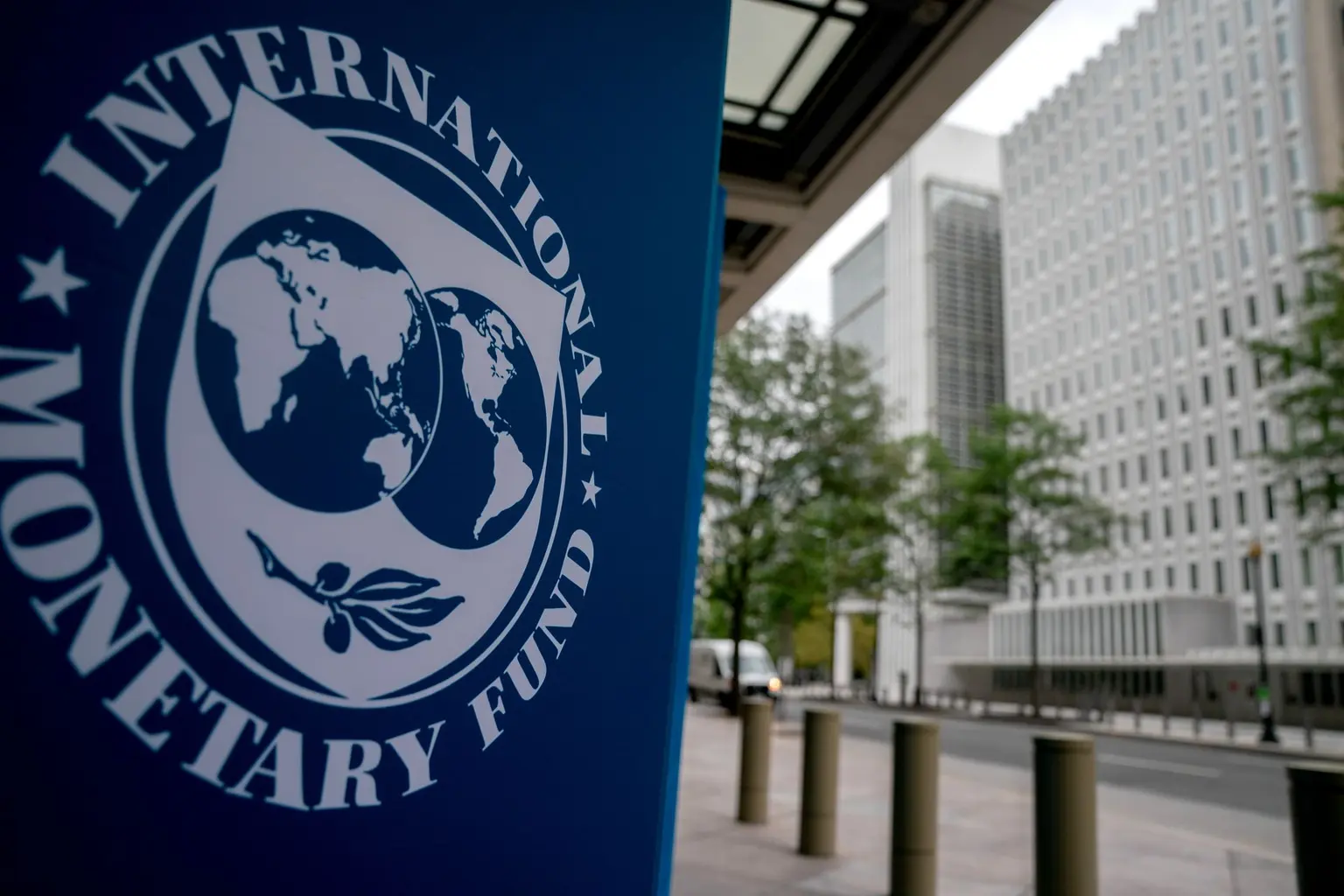




In a significant boost to its financial stability, Pakistan has received fresh inflows of $1.3 billion from the International Monetary Fund (IMF). This infusion has propelled the State Bank of Pakistan’s (SBP) foreign exchange reserves above $17 billion, bringing the central bank closer to its target of $18 billion.
Iran’s Foreign Minister Abbas Araghchi:
– We are trying to keep the ceasefire to give diplomacy a chance
– We have no trust on Americans. Current negotiation is suffering from the lack of trust
– All vessels can pass through Strait of Hormuz except those at war with us
-… pic.twitter.com/A6Ko8tXeuZ— TRT World Now (@TRTWorldNow) May 15, 2026
The funds were disbursed under the Extended Fund Facility (EFF) and the Resilience and Sustainability Facility (RSF), with the IMF approving special drawing rights (SDR) worth 760 million and 154 million, respectively.
The SBP confirmed the receipt of SDR 914 million (equivalent to approximately $1.3 billion) under the EFF and RSF on May 12, 2026. These reserves are crucial for bolstering confidence among importers and exporters, managing the trade deficit, stabilizing the exchange rate, and supporting debt servicing payments.
The SBP has been actively buying dollars from the inter-bank market to shore up reserves, purchasing approximately $27 billion over the past three years. With foreign exchange reserves standing at $15.85 billion on April 30, the recent IMF inflow has significantly strengthened the SBP’s position. The central bank aims to reach $18 billion in reserves for FY26 and is now less than $1 billion away from achieving this goal.
IMF Mission Begins Pre-Budget Review
An IMF mission, led by Mission Chief Iva Petrova, commenced a pre-budget review of Pakistan’s economy in Islamabad. The mission will focus on revenue collection targets, proposed tax measures, reforms, and the fiscal strategy for 2026-27.
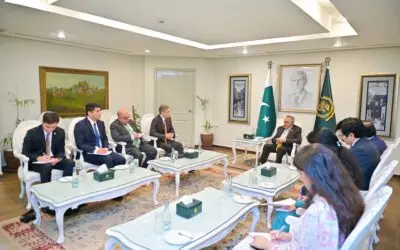
Finance Minister Muhammad Aurangzeb briefed the IMF delegation on Pakistan’s macroeconomic outlook, fiscal strategy, reform priorities, and the government’s commitment to sustainable economic stability and long-term growth. Discussions centered on macroeconomic stabilization efforts, preparations for the upcoming federal budget, and reforms aimed at strengthening fiscal and external sustainability while supporting economic growth.
Aurangzeb emphasized positive trends in remittances and exports, reflecting growing resilience in the economy. He reiterated the government’s commitment to reforms aimed at strengthening macroeconomic stability without compromising long-term growth prospects.
Petrova acknowledged Pakistan’s progress in maintaining macroeconomic stability despite a challenging global and regional environment and reaffirmed the IMF’s commitment to continued engagement and constructive cooperation with the government.
Meeting with US Official
Finance Minister Aurangzeb also met with S. Paul Kapur, the US assistant secretary at the Bureau of South and Central Asian Affairs, to discuss Pakistan-US economic cooperation, investment opportunities, trade relations, and the government’s reform agenda. Both sides exchanged views on enhancing bilateral economic engagement and expanding cooperation in areas of mutual interest.
U.S. Assistant Secretary of State for South and Central Asian Affairs, Mr. Paul Kapur, called on Deputy Prime Minister / Foreign Minister Senator Mohammad Ishaq Dar @MIshaqDar50 today. During the meeting, both sides exchanged views on bilateral relations and regional… pic.twitter.com/hbX7UWZHIX
— Ministry of Foreign Affairs – Pakistan (@ForeignOfficePk) May 14, 2026
Panda Bond Launch in China
Aurangzeb departed for China to participate in the issuance ceremony of Pakistan’s inaugural Panda bond in Beijing. The overall Panda bond program is set at $1 billion, with the inaugural issuance amounting to the equivalent of $250 million. The issuance is supported by the Asian Development Bank and the Asian Infrastructure Investment Bank.
Critical Analysis
While the IMF inflow provides immediate relief and strengthens Pakistan’s foreign exchange reserves, it is essential to acknowledge the underlying challenges. The reliance on IMF support highlights the need for sustainable, long-term economic solutions.
The pre-budget review by the IMF underscores the importance of fiscal discipline and structural reforms. Proposed tax measures and revenue collection targets will need to be carefully calibrated to avoid stifling economic growth. The government’s commitment to export-led growth is crucial, but achieving this will require addressing structural impediments and attracting foreign investment, which has been declining.
The Panda bond launch is a positive step towards diversifying Pakistan’s funding sources, but the relatively small initial issuance suggests a cautious approach. Successful execution of the Panda bond program could pave the way for future issuances and strengthen economic ties with China.
The meeting with the US official signifies the importance of maintaining strong bilateral economic relations. Attracting long-term investment from the US, particularly in sectors like energy, mining, and technology, will be vital for Pakistan’s sustainable economic development.
Overall, the recent developments paint a mixed picture. While the IMF inflow and Panda bond launch offer short-term stability, Pakistan must focus on implementing comprehensive reforms to address its long-term economic challenges and achieve sustainable growth.