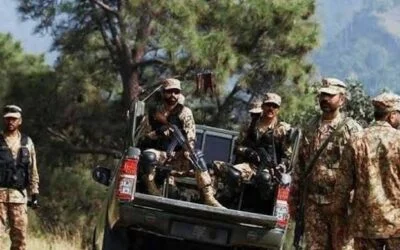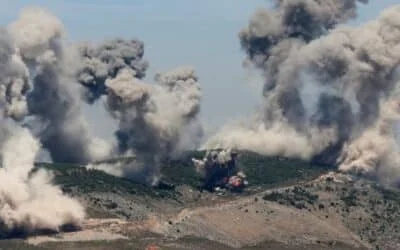



Pakistan is struggling with the non-kinetic side of terrorism, where militants use fear without big battles. Non-kinetic means tactics like intimidation, extortion, targeted killings, and kidnapping rather than bombings or open fighting. These silent methods weaken state authority and spread fear in daily life.
“Militants thrive where their narratives find acceptance; they also find in such contexts fertile ground for recruitment,” writes Madiha Afzal in her book Pakistan Under Siege: Extremism, Society and the State. This explains why Pakistan is still struggling against the non-kinetic side of the FAK threat. Former police officer Tariq Parvez also points out two main reasons for this weakness. First, the militant narrative has not been strongly challenged in the affected regions. Second, after military operations and kinetic actions, the grievances of local people remain, which makes it easier for the Taliban to return and present themselves as more appealing. Together these views show that the problem is not only about fighting on the battlefield but also about addressing the ideas, narratives, and social conditions that allow militants to gain influence in communities.
You May Like To Read: The Kulbhushan Jadhav Echo: Enduring Relevance of Espionage Cases in Indian Proxy Warfare
Targeted Assassinations, and Kidnappings
In many southern districts like Tank, Lakki Marwat, Bannu, Dera Ismail Khan and Waziristan, police officers are living under constant fear. Many do not leave the stations after noon and some even avoid wearing uniforms because they can be targeted. In September, five policemen were killed in a single day in Lakki Marwat. A National Bank manager and his staff were also killed when they were thrown out of their car. In another case, a sub-inspector of the Intelligence Bureau was shot dead in Bannu.
Kidnapping is another major weapon. Dr. Muhammad Yousuf from Shaukat Khanum was kidnapped in Peshawar for a ransom of 50 million rupees. He was recovered after ten days by police and CTD, who also arrested two suspects, including an Afghan kidnapper. These incidents show how target killing and kidnapping are used to spread fear and control people without big attacks. Even senior officials are not safe, as seen last month in Bajaur, where militants targeted a government vehicle and killed at least five people, including an assistant commissioner, leaving eleven others injured.
Election Intimidation
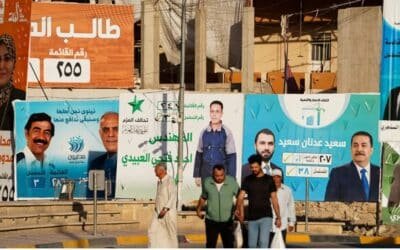
The FAK has also used violence to directly attack the election process in Khyber Pakhtunkhwa. In Dera Ismail Khan, a suicide bomber killed election candidate Ikramullah Gandapur when his convoy was targeted in Kulachi. This is not a new strategy. As Christophe Jaffrelot writes in The Pakistan Paradox, during the 2013 elections the Taliban specially targeted the Awami National Party (ANP). Around 37 of its members were killed, which badly weakened the party’s position in the region
. 
The same pattern has continued. In the 2023 and 2024 elections, there was an extreme surge in terrorist attacks across KP. Suicide bombings, targeted killings, and threats to candidates forced many people to stay home. The fear created by FAK directly reduced voter turnout and damaged the democratic process. By using violence around elections, the militants try to control politics without openly taking part in it.
Extortion, and Business Intimidation
Terrorist outfits and allied criminal gangs in the Koh-e-Sulaiman range have also relied on non-kinetic methods to dominate the local economy. Taking shelter in the mountains from DG Khan to DI Khan, these groups exploited tribal linkages and local grievances to pressure private businesses, especially cement factories. Initially, jobs were given to appease tribal demands, but when blackmail for greater quotas escalated, militants and their criminal partners turned to intimidation.
Instead of constant large-scale battles, they employed kidnappings for ransom, extortion, targeted robberies, and threats against business installations. These tactics were mainly designed to create an atmosphere of fear that disrupted commerce and weakened state authority. By combining the FAK’s assaults on police posts with the Ladi gang’s ransom economy, militants created a climate of coercion where insecurity, not bombs, dictated daily life in DG Khan.
🔺Counter Terror Financing Unit – CTD KP
🔺Eight family members serving as facilitators for the banned Tehreek-e-Taliban Pakistan, involved in extortion, have been apprehended.
During the operation, bank accounts linked to extortion was obtained.
Among the seized items were… pic.twitter.com/IaqmBIdTjT
— Eagle Eye (@zarrar_11PK) December 27, 2023
Toward a Holistic Counter-Terror Strategy
To counter the FAK, Pakistan needs a holistic strategy that goes beyond military action. Civil and military institutions must work together instead of acting separately. A united approach can combine security operations with development and governance. At the same time, the state must directly challenge the militant narrative by promoting alternative voices through media, education, and religious leaders.
Local communities should also be strengthened with jobs, services, and protection so they do not feel abandoned or turn to militants for support. Finally, a strong law and order system is needed to protect police, political workers, and citizens from daily intimidation. Only by combining these efforts can Pakistan weaken the non-kinetic tactics that militants use to spread fear.
You May Like To Read: Pakistan–U.S. Counterterrorism Cooperation Sees Renewed Momentum Amid Strategic Realignment