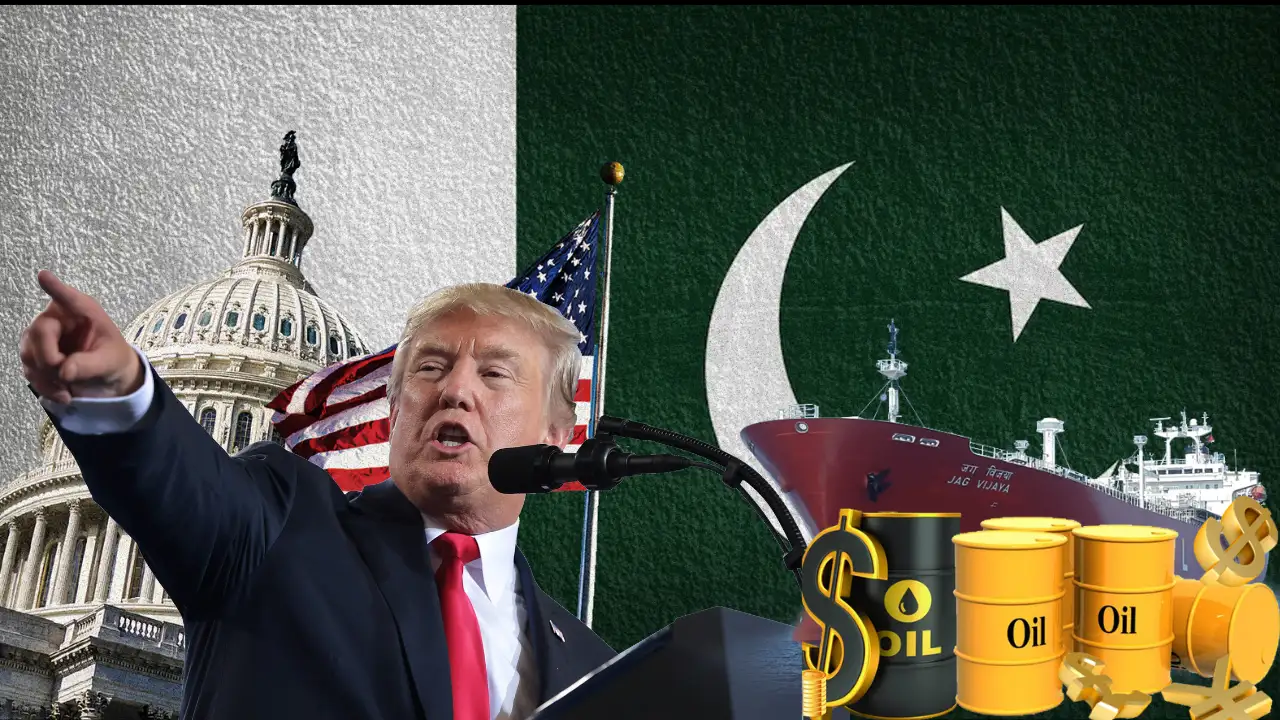



On July 30, 2025, former U.S. president Donald Trump shocked many when he announced a massive new trade and oil deal with Pakistan, referring to the new venture as a joint venture to develop Pakistan’s oil reserves, which were, he said, massive. This posting using the social media launched by Mr. Trump, is a significant change in the U.S.-Pakistan relations when the Washington government has been imposing higher tariffs on goods imported by India because of the close relationship it has developed with Russia.
The new energy deal is an indication of a more significant strategic shift on the South Asian front, which may bring new economic and geopolitical opportunities to the two nations, given that Pakistan is also in the midst of an active trade negotiation period with the U.S. Government to help lower the high tariffs against its exports.
The Trump Declaration
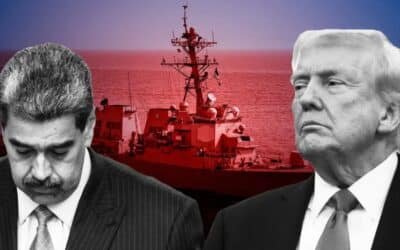
July 30 saw an important declaration towards U.S.-Pakistan relations by former U.S. President, Donald Trump. He stated that the United States had just signed a Deal with the Country of Pakistan to collaborate to develop Pakistan’s massive Oil Reserves. He further extended that the U.S. was choosing an oil company that would be the head of this partnership and proposed that Pakistan might end up selling oil to India in the future.
This statement was rather surprising and gained the attention of the whole world due to the fact it took place at the same time as Trump announced the new package of tariffs, among which, there was a 25 percent tariff on Indian exports, as India had strengthened its relations with Russia at that point in terms of military and energy cooperation.
In the meantime, Pakistan has been experiencing 29 percent tariffs on its exports to the U.S, mainly because of surpluses in trade amounting to the amount of 3 billion dollars in 2024. The fact that Trump also mentioned changes in trade terms or duties during his comments regarding energy collaboration with Pakistan implies that there are chances of such changes in the sphere of energy.

Source: Tribune
Trade Deal Status
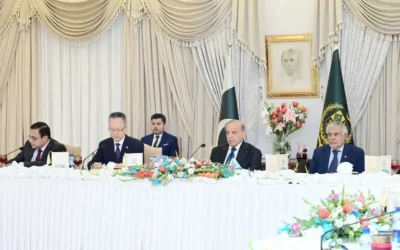
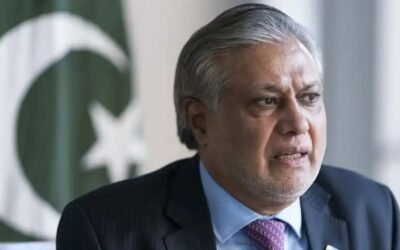
In July 2025, the Finance Minister of Pakistan, Muhammad Aurangzeb, visited Washington, D.C. three times, where he discussed a bilateral trade agreement with the key U.S. officials, including Secretary of State Marco Rubio. Both parties have been in negotiations of a framework agreement, which may lower tariffs of Pakistani exports and increase the American investment in their fields such as energy, mining, and infrastructure. This is new economic knowledge, not only does it open with oil-related projects, but also it is an indication of a changed position on how both countries regard their future relationship.

Source: Dawn
Within these negotiations, the U.S. is thinking about dropping or easing some of the tariffs in the trade of economic reforms and assurances that would make American enterprises stable when doing business in Pakistan. Otherwise, it is speculated that the trade deal would include elements of technology transfer, training of local workers, and encouragement of sustainable development in energy-centric hubs such as Balochistan. Even though no official document has yet been officially published, both government officials have hinted that an overall agreement will soon be at hand, with details stating that it is indeed very close to being concluded.
Regional Implications
Trump, through his statement that Pakistan could sell oil to India, albeit speculative, has illuminated a contentious debate on how the politics of South Asia will change. In the event of such realization, the development would indicate a historical change in trade patterns in the region in general and between two long-term competitors in particular. This may be unrealistic shortly due to political realities and long-term tensions, but the very concept does illustrate how energy cooperation may one day be a practical instrument of stability and interdependence in the region, particularly in the resource-scarce world.
The difference between the unpleasant relationship between the United States and India and the improving relationship between the United States and Pakistan is also brought out by the announcement. As Washington imposes 25 percent tariffs on Indian imports following a growing energy and defense relationship with Russia, Trump’s parallel with Pakistan is a pointer to a rebalancing. America appears to be communicating it all by example: countries cooperating with its geopolitical interests, like opening markets, providing an energy supply, and restricting connections with its competitors, will find reward in trade and investment relations.
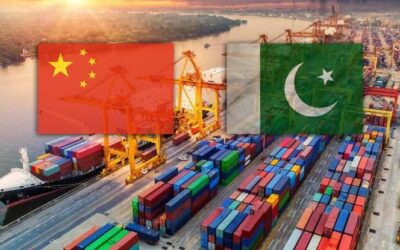
Meanwhile, China is also a leading economic power in Pakistan, especially under the China-Pakistan Economic Corridor (CPEC), which is a major project in the Belt and Road Initiative by the same government of Beijing. Pakistan has been dependent on Chinese loans, infrastructure help, and power collusion over the years. The U.S. seems to be intervening now with other investment proposals, trying to match the strategic moves of the Chinese.
Encouraging American firms to engage in oil exploration and minerals, Washington would help rebalance the equation of power in Pakistan’s economy, which would provide Islamabad with a unique chance of diversifying, albeit in foreign relations, and minimizing too much reliance on any one of its coalition partners.
After all, this changing scenario is not purely an oil or trade thing; it is a matter of geopolitical rivalry and sway. Pakistan is now in an unenviable position that is courted by the two competing powers that have mutual interests. The way it steers through every relationship can decide the future of the energy and trade in South Asia.
Symbolism to Strategic Shift
The emerging trade and trade arrangement between the United States and Pakistan, unveiled by Donald Trump, can be a game-changer in the South Asian region in case it is realized and not just political sound bites now being heard. Although Trump was light on details of his message, it entails a marked change in tactics of economic and energy focus between the United States and Pakistan. This contrasted conflict in U.S.-Pakistan relations and payment of higher tariffs, and Pakistan is now in a dominant position to use the tensions in the region to its benefit.
As China gets deeper into CPEC and American interest grows in energy and commerce, Pakistan is placed smack in the middle of a new geopolitical battle. This can turn into a sustainable change or die as a political show, as it will depend on the clarity of policies, the presence of mutual trust, and its prompt implementation. It is too early to tell whether this will be a one-time affair, but this is a golden chance to transform Pakistan into a new global player, by not doing it with flair but with strategic logic.