




The ability of Pakistan to negotiate a temporary ceasefire between Iran and the United States can be seen as an indication of its long history as a low-profile diplomatic mediator.
How did Pakistan broker a temporary truce between Iran and the US? https://t.co/0VwcQVrS2K
— The Straits Times (@straits_times) April 8, 2026
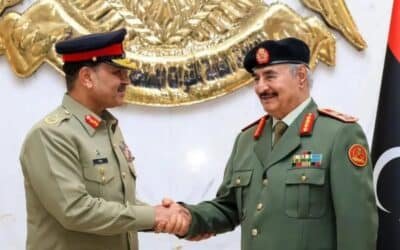
Using the contacts in Washington and Tehran, Shehbaz Sharif and military chief Asim Munir placed Pakistan in the role of a reliable backchannel when things were falling out of hand.
This can be attributed to a number of reasons. Pakistan has working relationships with both sides; there is security cooperation with the US and geographic, religious, and economic cooperation with Iran.
Iranian Foreign Minister Abbas Araghchi raised “ceasefire violations” by Israel in a call with the commander of the armed forces of Pakistan, which mediated the fragile US-Iran truce, an Iranian ministry statement says.https://t.co/gojUjsZSr5
— Al Arabiya English (@AlArabiya_Eng) April 8, 2026
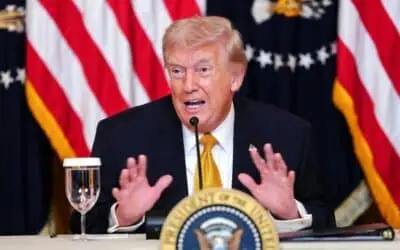
Second, the imminent military deadline set by Donald Trump put the country under pressure to find a diplomatic off-ramp solution quickly. Pakistan intervened just at this point.
Nevertheless, the truce does not seem to be very strong. There are still major disputes regarding sanctions, uranium enrichment, and the Strait of Hormuz. The careful wording and divergent meanings of the deal by Iran are indicators that this is more of a pause than a solution.
Finally, the intervention of Pakistan reveals its applicability in international relations; however, to maintain peace, a wider agreement will be needed than crisis intervention
You May Like To Read: Democrats Urge Republicans to Curb Trump’s “Reckless” Iran Threats
Check out our latest video: