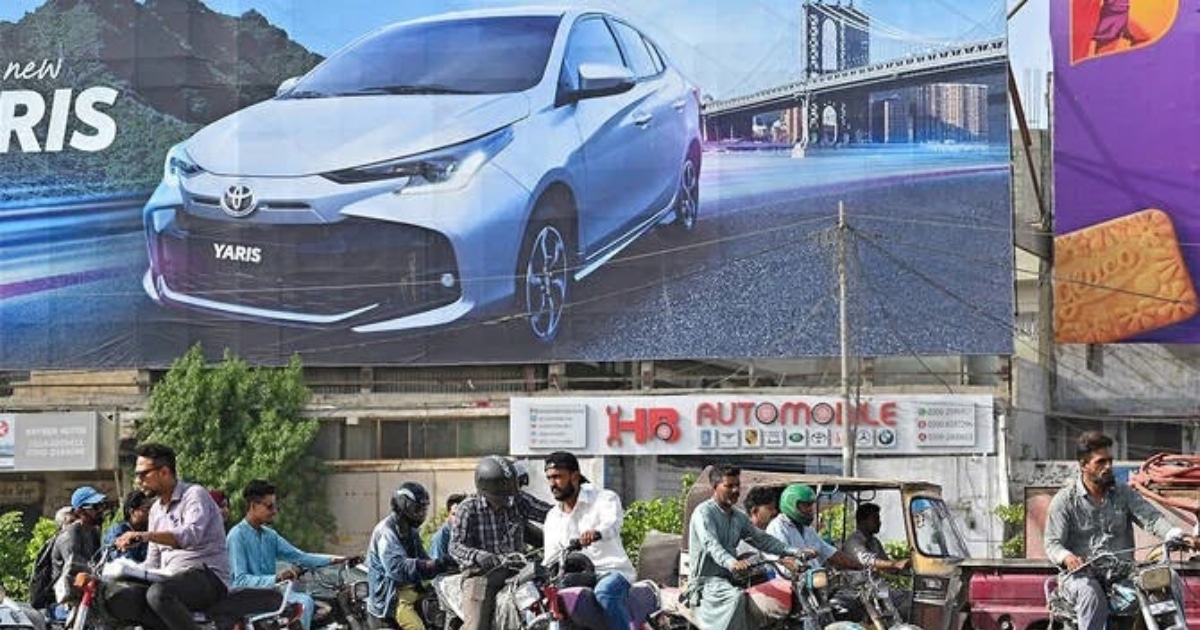



Pakistan’s plan to allow commercial imports of used cars under IMF-directed trade reforms has sparked concern among economists and industry leaders, who warn the move could strain limited foreign exchange reserves and hurt local auto manufacturing.
The policy, part of a $7 billion IMF bailout program, aims to liberalize trade and enhance competition. However, the Pakistan Association of Automotive Parts and Accessories Manufacturers (PAAPAM) says unrestricted imports could drain reserves and erode the domestic supply chain. “Once commercial imports start, Pakistan will need dollars it doesn’t have,” said PAAPAM Vice Chairman Shehryar Qadir, noting reserves stand at only $14 billion, enough for about three months of imports.
Pakistan’s domestic auto industry is becoming increasingly wary of the surge in imported old/ used vehicles, which could seriously jeopardize local manufacturing, employment, and the country’s financial compliance regime.https://t.co/RQbEdW9zjK#autoindustry #vehicles… pic.twitter.com/FbxMQ2Evm4
— Business Recorder (@brecordernews) November 12, 2025
Pakistan’s major assemblers including Toyota, Honda, Suzuki, Hyundai, Kia, and Changan have already lost over 25 percent market share to used car imports under the baggage, gift, and transfer-of-residence (ToR) schemes, often misused for commercial purposes.
Analysts warn that while the IMF’s push for openness could improve efficiency, it risks destabilizing the sector in the short term.
You May Like To Read: PTA Begins Licensing VPN Providers Under Restored CVAS-Data Framework
The government is drafting a new Auto Industry Policy (FY26–31), but manufacturers caution that abrupt liberalization could reverse years of investment in a sector contributing 4 percent to GDP and employing millions.