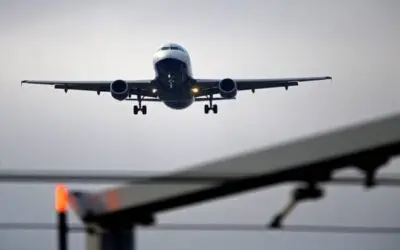




South Korea and Japan separately deployed fighter jets and lodged diplomatic protests after military aircraft from the Russian Federation and the People’s Republic of China conducted a joint air patrol that repeatedly entered the Air Defence Identification Zones (ADIZ) of both nations.
The incident marks the 10th time the two countries have conducted such a joint strategic air patrol, which both South Korea and Japan view as an aggressive display of force and a serious concern for regional security.
🇨🇳🇷🇺 China-Russia Joint Air Patrol: Japan’s Outrage Goes Supersonic 🇯🇵
China and Russia just pulled off an 8-hour joint air patrol around Japan, Tu-95 nuclear-capable bombers, Chinese H-6s and a pack of J-16 fighters cruising through the Miyako Strait. All in international… pic.twitter.com/hJKiXI3px1
— James Wood 武杰士 (@commiepommie) December 10, 2025
Details of the Incident
- South Korea (KADIZ): Nine military aircraft—seven Russian and two Chinese, including fighters and bombers—entered the South Korean Air Defence Identification Zone (KADIZ) at approximately 10:00 GMT. South Korea’s Joint Chiefs of Staff confirmed that the planes flew in and out of the zone for one hour. South Korea deployed fighter jets “to take tactical measures” and subsequently lodged a diplomatic protest with representatives from both China and Russia over the violation.
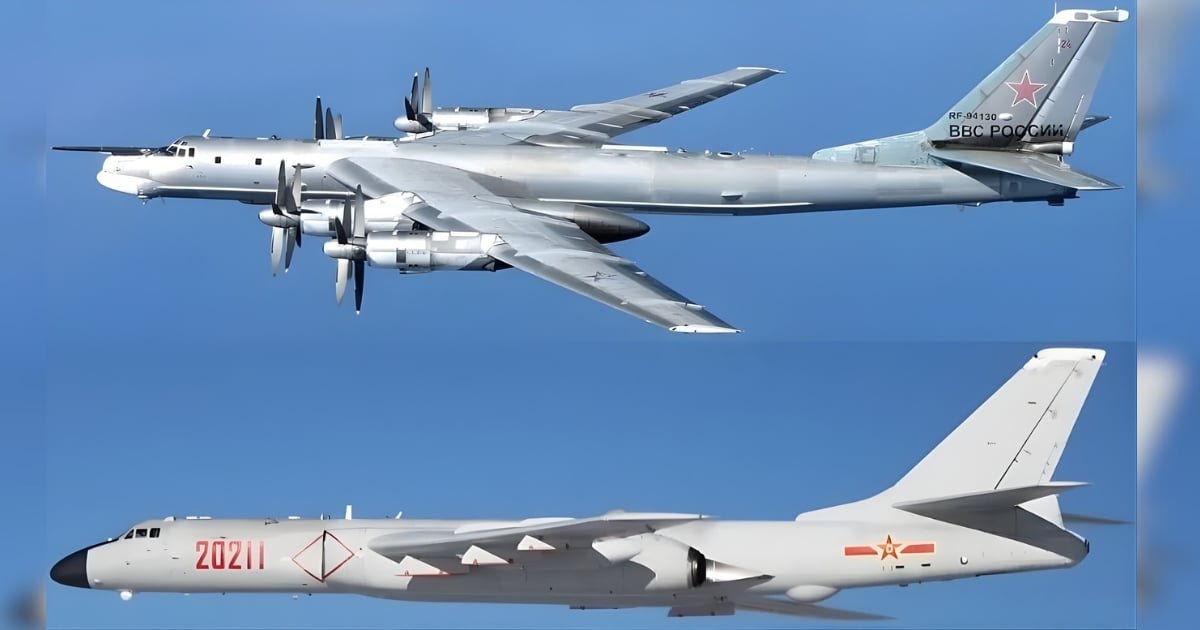
- Japan: Japan’s Minister of Defence, Shinjiro Koizumi, confirmed that Japan separately deployed military aircraft to “strictly implement” air defense measures. The reported joint patrol involved two Russian nuclear-capable Tu-95 bombers and two Chinese jets “capable of carrying long-range missiles,” accompanied by at least eight other Chinese J-16 fighter jets and a Russian A-50 aircraft. The patrol flew from the Sea of Japan to the Tsushima Strait and around Japan, between Okinawa’s main island and Miyako Island.
Official Response and Strategic Implications
Japanese Defence Minister Koizumi stated that the repeated joint flights “signify an expansion and intensification of activities around our country,” highlighting their clear intention to “demonstrate force against our nation,” which poses a serious threat to national security.
China’s Ministry of National Defence confirmed the air drills were organized according to “annual cooperation plans” and took place above the East China Sea and western Pacific Ocean. The Russian Defence Ministry confirmed the eight-hour exercise and noted that foreign fighter jets followed their aircraft at certain stages.
You May Like To Read: Trump’s Second Term and the Erosion of the Post-War Liberal Order
This joint military exercise emphasizes the expanding defense ties between Moscow and Beijing and continues a pattern of military maneuvers near South Korean and Japanese airspace without prior notification.