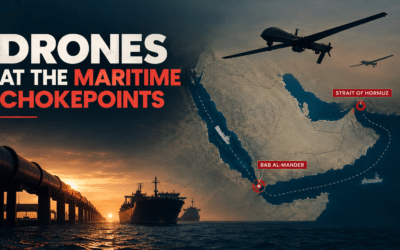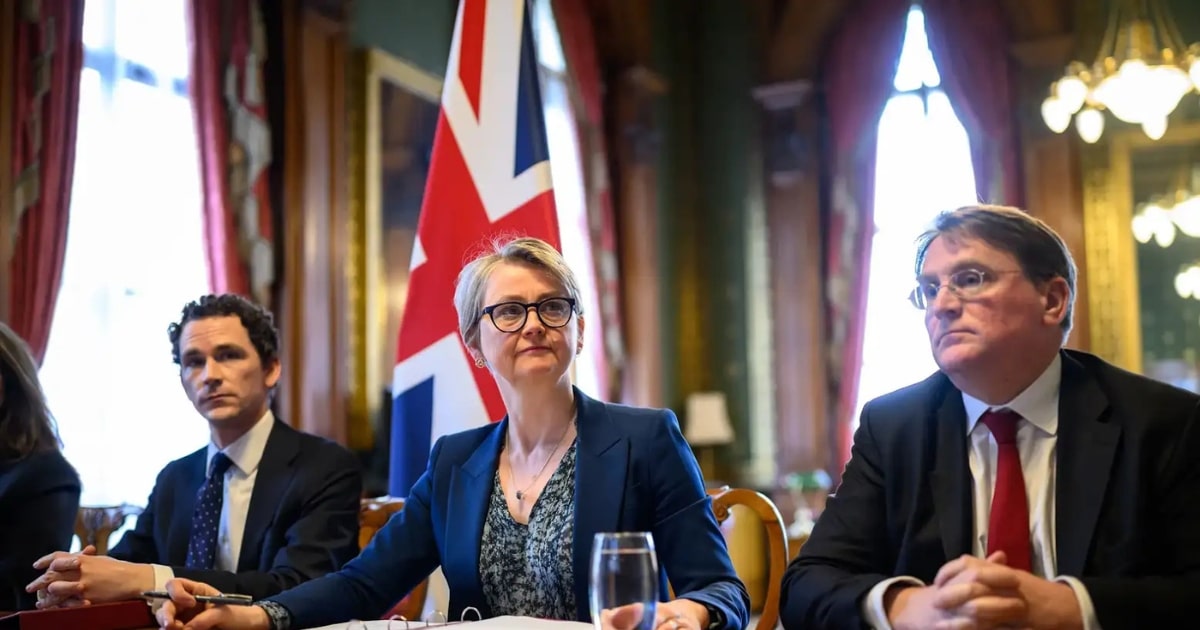





In a pointed display of diplomatic independence, UK Foreign Secretary Yvette Cooper spearheaded a virtual summit of 40 nations on Thursday to address the “hijacking” of the global economy. The coalition, which notably excluded the United States, is exploring a massive surge in coordinated economic sanctions and UN pressure to force the reopening of the Strait of Hormuz.
The summit marks a growing rift between European allies and the Trump Administration, as London and Paris prioritize a “diplomacy-first” route over Washington’s calls for a direct military takeover of the waterway.
Yvette Cooper to convene around 40 countries as the UK leads a diplomatic drive demanding immediate, unconditional reopening of the Strait of Hormuz.https://t.co/g4XECztIM5 pic.twitter.com/YmCi01lTjY
— Gulf News (@gulf_news) April 3, 2026
The “Economic Hostage” Crisis
Foreign Secretary Cooper was blunt in her assessment, labeling the closure a “direct threat to global prosperity.”
-
Global Reach: The blockade isn’t just an oil problem; it is disrupting Asian energy exports and critical African fertilizer supplies, threatening a global food security crisis alongside the energy shock.
-
The “Hostage” Label: Cooper accused Iran of using the strategic chokepoint to hold the world’s circulatory system for ransom, following the surge of Brent Crude to well over $100 per barrel.
Diplomacy vs. “Delayed Courage”
The summit served as a quiet rebuttal to President Trump’s Wednesday comments, where he mocked allies for lacking “courage” and told them to “just go to the Strait and take it.”
-
The UK Stance: Cooper emphasized that British decisions are “not based on any other country’s priority,” reinforcing that the UK will not be dragged into a wider regional war under US command.
-
The French Red Line: Speaking from South Korea, President Emmanuel Macron called a military reopening “unrealistic,” insisting that any solution must involve a ceasefire and direct coordination with Tehran.
The Multi-Lateral Toolkit
The 40-nation coalition, which includes France, Germany, Japan, and Australia, is coordinating on three main fronts:
-
The UN Push: Using the Security Council to demand an “immediate and unconditional” reopening based on the Law of the Sea.
-
Coordinated Sanctions: Developing a new tier of economic penalties to “bear down on Iran” specifically for the maritime blockade.
-
IMO Coordination: Working with the International Maritime Organization to create safe passage protocols for the hundreds of “stranded ships” currently idling on either side of the Strait.
Planning for the “After”
While the focus remains on economic pressure, Prime Minister Sir Keir Starmer confirmed that British military planners are looking at the long game. The goal is to ensure the Strait is “accessible and safe after the fighting has stopped,” likely through a UN-mandated international peacekeeping maritime force rather than a US-led combat mission.
You May Like To Read: National Assembly Returns Rs472.1 Million to Treasury Amid Austerity Drive
Check out our latest video: