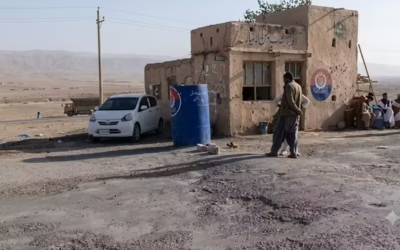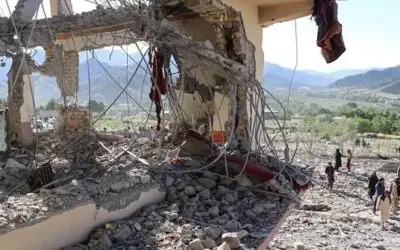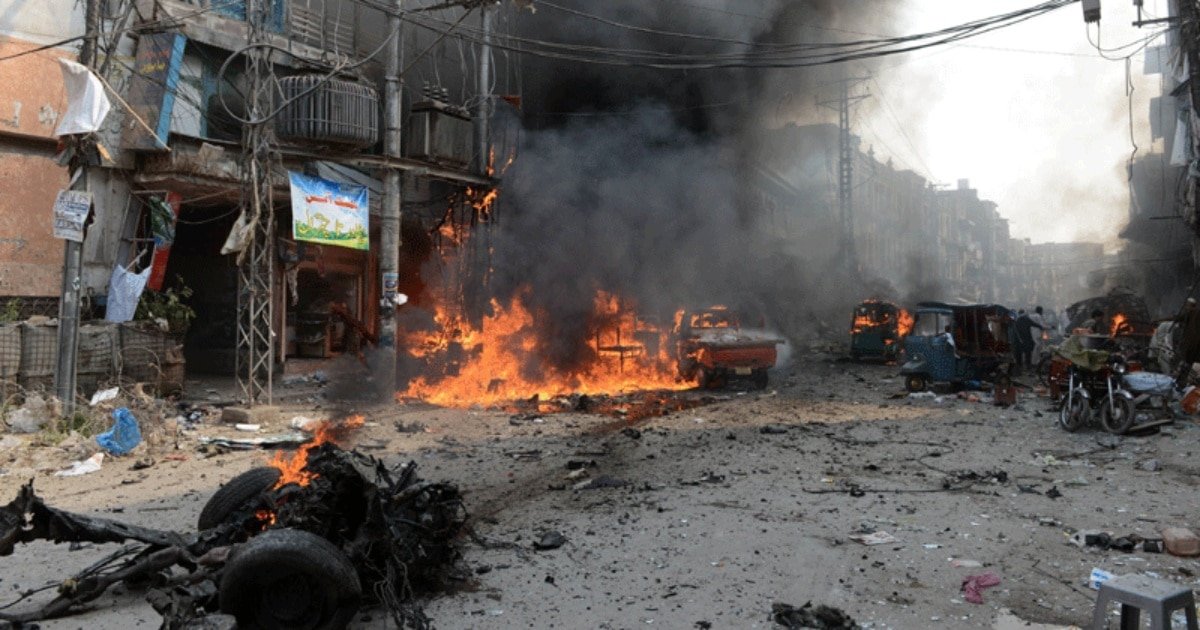



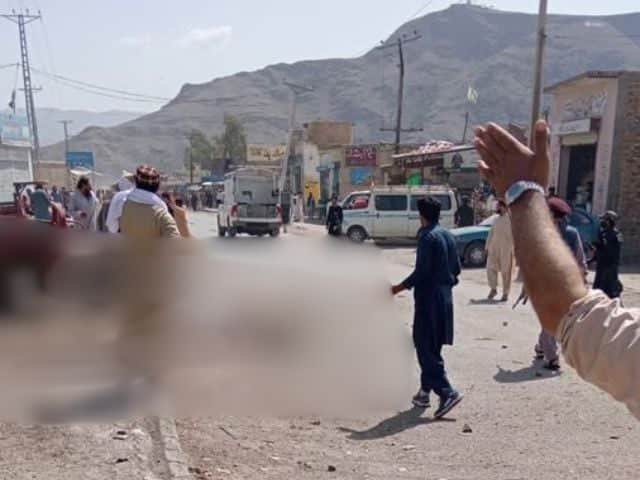
A bomb blast in the Wana bazaar of Khyber Pakhtunkhwa’s Lower South Waziristan district has sent shockwaves across the nation, resulting in the martyrdom of two individuals and leaving ten others injured, including two policemen. The attack, which occurred on Thursday, is a grim reminder of the volatile security landscape in the newly-merged tribal districts and the enduring threat posed by violent extremist groups. The explosion in a busy civilian area highlights the indiscriminate nature of this terrorism, which targets not just state institutions but the very fabric of local communities.

Source: Dawn
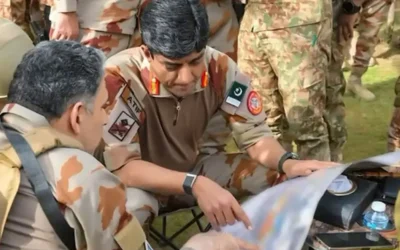
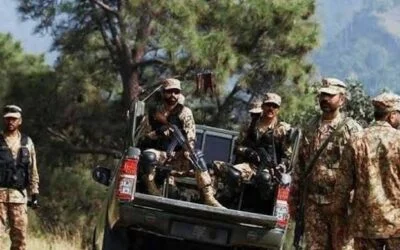
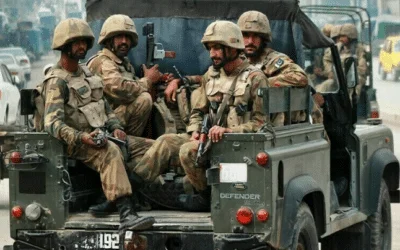
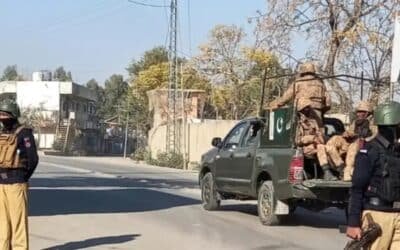
According to District Police Officer Tahir Khan, security forces acted swiftly in the aftermath of the explosion. The injured were immediately transported to the Wana District Headquarters Hospital, while a large contingent of police and army personnel cordoned off the area to conduct a thorough search operation. An investigation has been launched to ascertain the nature of the bomb and to identify the perpetrators. Such rapid response protocols are a testament to the high state of alert maintained by law enforcement in this sensitive region, where threats of this nature are a constant reality.
Context of an Enduring Insurgency
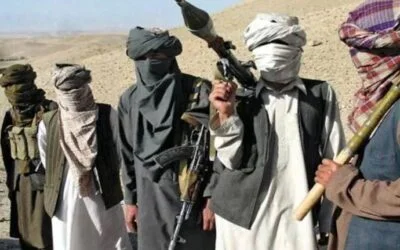
This heinous act of violence must be analyzed within the broader context of Pakistan’s ongoing struggle against terrorism. The Wana blast is not an isolated incident but part of a persistent and complex insurgency, which has seen a resurgence in recent years. This resurgence is largely attributed to the militant ideology of Fitna-al-Khawarij (FAK), a term used by the state to describe a specific brand of terrorism characterized by its ideological extremism and its targeting of both security forces and civilians. The group, often referred to as a “khawarij” group due to their deviant and violent ideology, has repeatedly demonstrated a capacity to execute sophisticated and brutal attacks in remote and urban areas alike.
You May Like To Read: Abandoned U.S. Military Hardware in Afghanistan Is Fueling Militant Surge
The attack in Wana, a historically strategic location, is particularly significant. Wana served as a key hub during the peak of militancy and has been the site of numerous military operations aimed at dismantling terrorist networks. The fact that a bomb blast of this nature could still occur here speaks to the enduring challenge of maintaining peace in a region that borders Afghanistan. The porous border and the instability in the neighboring country have created an environment where groups like FAK can operate with a degree of impunity, making it a constant security challenge for Pakistan’s armed forces and law enforcement agencies.
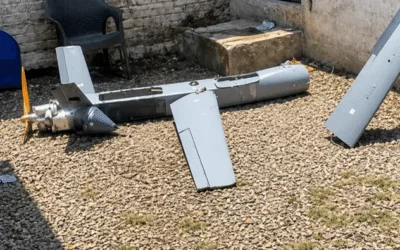
The perpetrators of such attacks often employ IEDs, suicide bombings, and hit-and-run tactics to maximize casualties and instill fear. The targeting of a public place like the Wana bazaar is a deliberate tactic to terrorize the civilian population and undermine the state’s authority. The casualties, which include both civilians and law enforcement officers, highlight the shared sacrifice and the interconnected nature of the fight against terrorism. The police, in particular, are on the front lines, often being the first responders and the most vulnerable targets in these attacks. Their sacrifice, along with that of the civilians caught in the crossfire, underscores the profound human cost of this conflict.
A Nation’s Resolve Against an Ideological Threat
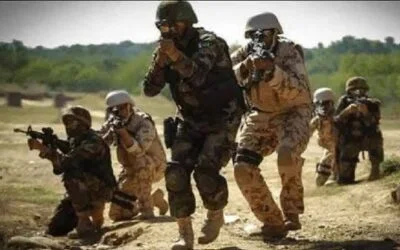
The ongoing insurgency is more than just a military problem; it is an ideological one. Groups like FAK are motivated by an extremist worldview that seeks to destabilize the state and impose its own brutal interpretation of religion. Countering this threat requires a multi-pronged approach that combines kinetic military operations with robust intelligence-based actions, community engagement, and a compelling counter-narrative. The government, along with military and law enforcement, continues to face the arduous task of not only eliminating these threats but also addressing the root causes that allow such ideologies to take hold.
You May Like To Read: Pakistan’s Efforts to Disarm and Control Illicit Firepower
While the nation mourns the loss of life in Wana, the resolve to fight back remains firm. The sacrifices of law enforcement and the resilience of the local community are a testament to the nation’s unwavering commitment to securing peace. The Wana blast is a stark reminder that the war on terror is far from over. It is a war that demands a sustained and comprehensive national effort to protect innocent lives and to ensure that the sacrifices of our brave men and women are not in vain. The collective response—from the immediate medical aid for the injured to the long-term strategic analysis of the threat—shows a nation determined to prevail against the forces of darkness.