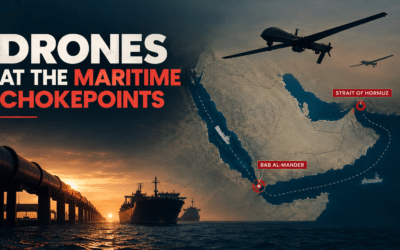





The UN Security Council remains deeply divided over a Gulf Arab-led resolution aimed at reopening the Strait of Hormuz, with the much-anticipated vote postponed twice — first to Friday and then to Saturday.
The UN Security Council has delayed consideration of a proposal to authorise countries to use force to protect shipping in the Strait of Hormuz, rescheduling the vote from Friday to Saturday.
🔴 LIVE updates: https://t.co/zHo9rRFOU5 pic.twitter.com/E9EvX49OKn
— Al Jazeera English (@AJEnglish) April 3, 2026
Bahrain, currently holding the rotating presidency of the Security Council, is pushing the resolution with strong backing from the United States. The measure, backed by the six Gulf Cooperation Council (GCC) countries, seeks to authorise the use of “all defensive means necessary” to secure safe passage through the strategic waterway, which carries about one-fifth of the world’s oil and gas supplies.
Earlier drafts contained stronger language under Chapter VII of the UN Charter (which allows enforcement action, including force), but this was dropped following objections from China, Russia, and France. However, disagreements still remain, particularly over a key paragraph that would permit defensive measures for at least six months.
Bahrain and the UAE have been actively lobbying all 15 council members, with special focus on convincing China and Russia not to use their veto power. The United States is also heavily supporting the diplomatic effort.
Iran has strongly warned against what it calls a “provocative move,” saying any such resolution would only complicate the situation further. Tehran closed the Strait of Hormuz shortly after US and Israeli strikes began on February 28, causing major disruptions to global energy markets and forcing several Gulf countries, including Qatar, to halt LNG exports.
The delay highlights the sharp differences within the Security Council. While Gulf states see the closure as an existential threat to their economies, Russia and China emphasise respect for Iranian sovereignty, and France has described any forced reopening as unrealistic and highly risky.
For the resolution to pass, it needs at least nine votes in favour and no veto from the five permanent members (US, Russia, China, France, UK). If Russia or China vetoes it, the measure will fail.
The situation remains fluid as intense last-minute diplomacy continues. Analysts say the resolution is both a practical attempt to restore global energy flows and a symbolic move to put international pressure on Iran.
You May Like To Read: British MPs Face Scrutiny Over Malik Riaz’s Dubai Property Project Links
Check out our latest video: