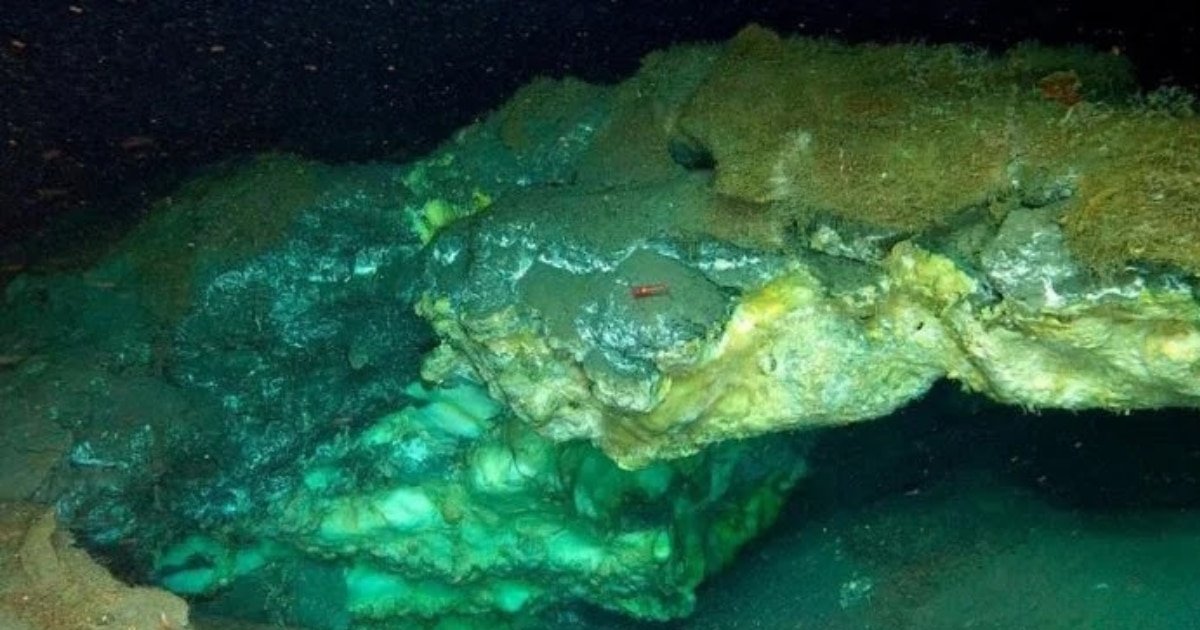





Scientists have announced the discovery of a strange and thriving world of marine life buried two miles deep under the Arctic ice. Located in the Greenland Sea, these “Freya mounds” are patches of the seafloor that leak methane and oil. This environment is known as a “cold seep,” and this particular find is the deepest of its kind ever recorded, sitting more than a mile deeper than any similar site previously known to science.
Because it is pitch black and freezing at these depths, the creatures living there cannot rely on the sun for energy. Instead, they survive through a process called chemosynthesis, essentially “eating” the chemicals that bubble up from the Earth.
A new study shows that “dynamic mounds made of methane at a depth of some 3,640 meters act like “frozen reefs” for a bizarre array of deep-sea creatures”.
“The hydrate mounds are inhabited by taxa including siboglinid and maldanid tubeworms, skeneid and rissoid snails, and… pic.twitter.com/9RnrPH2lZS
— Manuela Casasoli (@manuelacasasoli) December 26, 2025
Researchers using a remote-controlled underwater camera were shocked to find the area crowded with tubeworms, snails, and small crustaceans. The team had originally searched the area after spotting a massive plume of gas bubbles rising two miles high, which is the tallest ever seen in the ocean.
You May Like To Read: Thailand and Cambodia agree to Ceasefire and Troop Standstill along Border
This discovery is especially important because it shows how different deep-sea habitats are connected. The animals found at these cold leaks are closely related to those living near hot underwater volcanoes, suggesting that life survived past ice ages by moving between these chemical “oases.” However, experts warn that these fragile homes are now under threat from plans for deep-sea mining. They are calling for immediate protection of these sites, arguing that we shouldn’t destroy these mysterious ecosystems before we even have a chance to understand them.
Check out our latest video: