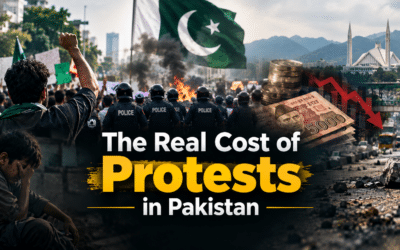
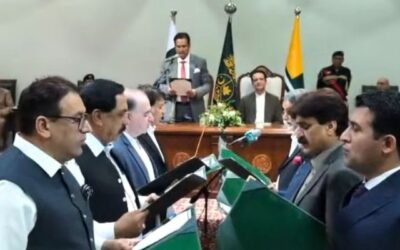
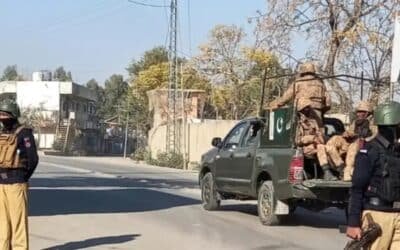
Jamaat-e-Islami (JI) on Sunday protested against the inflation of petroleum products. The JI leaders criticized poor governance, excessive petroleum levy, and rising fuel prices. The protests were observed in the provincial capitals i.e., Lahore, Karachi, and Peshawar.
چاروں صوبوں میں پیٹرولیم مصنوعات میں اضافے کے خلاف دھرنوں کا آغاز ہو گیا ہے ۔۔#JIDharnaAgainstBhattaLevy pic.twitter.com/iBCIdpKCfT
— Jamaat e Islami Pakistan (@JIPOfficial) August 16, 2026
Protests and sit-ins have become a new common in Pakistan; and most of the times it is political parties rallying the public sentiment to present impractical demands. The JI led protest for instance, demands the price of petrol to be set at PKR 225.
Is it really possible? Given the facts it is next to impossible. Here is why:
- The Strait of Hormuz is choked.
- Commercial vessels cannot travel through Hormuz.
- US-Iran dialogues have not culminated.
- Global oil markets have not fully recovered.
- Bab-el-Mandep is also witnessing hostile circumstances.
- Petroleum prices are rising internationally.
- IMF is constantly pressing Pakistan to impose more taxes.
Although Pakistan has been using its diplomatic influence to import oil through Strait of Hormuz and through other shipping routes. However, the rising rates of petroleum products in the international markets is beyond the Government’s control.
If the cost of crude oil prior its refinement is inflated it is impractical to expect subsidized products. Protests of such nature are therefore, futile. Because it is not in Pakistan’s control to manipulate the oil prices internationally. On the contrary, Pakistan has been working to mediate a truce between Iran-US that would consequentially bring the oil prices down.
What Can We Do?
- In the longer run lowering dependency on imported petroleum products should be the goal.
- Transitioning towards electric vehicles and renewable energy sources can bring positive results.