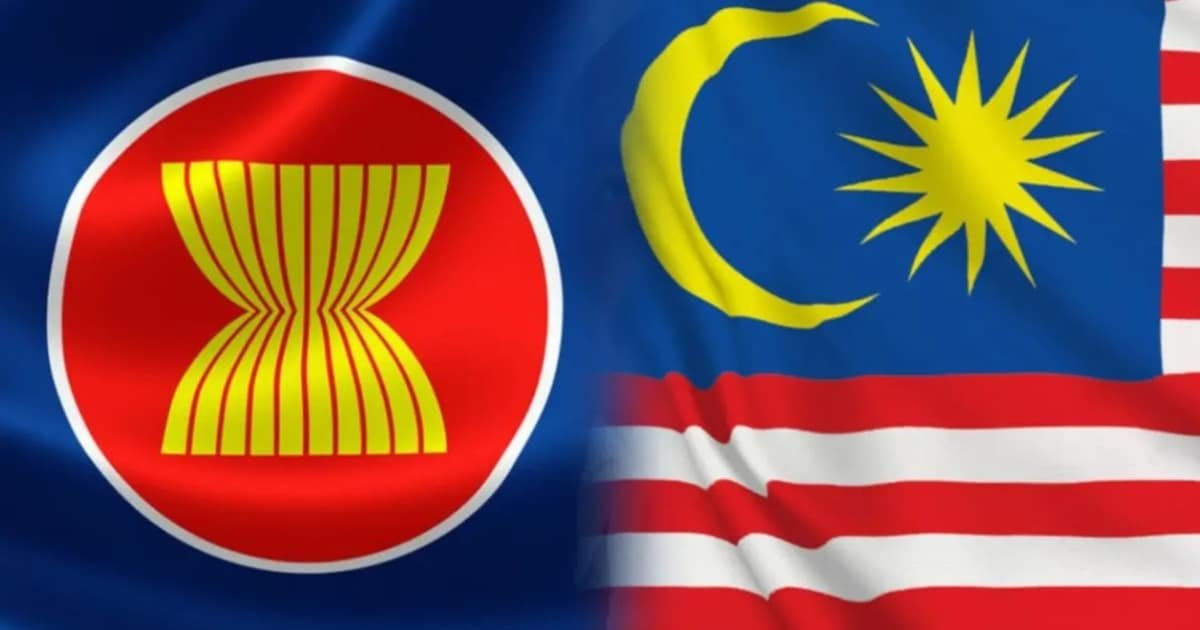





Foreign Ministers of the Association of Southeast Asian Nations (ASEAN) convened an emergency session in Kuala Lumpur today, chaired by Malaysia, in a high-stakes diplomatic effort to halt the escalating armed conflict between Thailand and Cambodia.
The special meeting follows two weeks of intense military engagement that has shattered a previous ceasefire brokered by ASEAN and the United States. Hostilities have resulted in a significant humanitarian crisis, with over 60 reported deaths and the displacement of more than 900,000 civilians along the 817-kilometer frontier.
Anwar calls Cambodian and Thai leaders, highlights ASEAN foreign ministers’ meeting as key platform to ease tensions
Malaysian Prime Minister Anwar Ibrahim said the ASEAN Foreign Ministers’ Meeting scheduled for tomorrow (December 22) provides a suitable and constructive… pic.twitter.com/DH6jeiAnBH
— Thai Enquirer (@ThaiEnquirer) December 21, 2025
Key Outcomes of the Ministerial Meeting
Chaired by Malaysia’s Foreign Minister Mohamad Hasan, the bloc moved to reaffirm “ASEAN Centrality” in resolving regional disputes. Key developments from the summit include:
-
Agreement for Military Dialogue: Thailand and Cambodia have agreed to resume direct military-to-military discussions. The General Border Committee (GBC) is scheduled to convene on December 24, 2024, to negotiate technical terms for a ceasefire.
-
ASEAN Observer Team (AOT): The ministers called for the immediate deployment of an observer team to verify troop withdrawals and monitor the de-escalation of heavy weaponry from disputed zones.
-
Satellite Verification: Prime Minister Anwar Ibrahim confirmed that ASEAN will utilize satellite-monitoring technology, provided by the United States, to provide objective data on border movements and verify on-ground findings.
Humanitarian and Strategic Concerns
The conflict, which reignited on December 8, has seen the use of heavy artillery, multiple rocket launchers, and airstrikes.
-
Casualties: Reports indicate at least 53 civilian deaths and dozens of military casualties.
-
Displacement: Cambodia’s Ministry of Interior reports over 525,000 internal displacements, while Thai officials cite approximately 400,000 residents moved to safety.
-
Accusations of Violations: Thailand has formally condemned the use of newly planted anti-personnel landmines by Cambodian forces, citing multiple injuries to its military personnel. Conversely, Cambodia has accused Thailand of “armed aggression” and the violation of its territorial sovereignty through aerial bombardment.
International Diplomatic Pressure
The meeting acknowledged the proactive roles of Malaysian Prime Minister Anwar Ibrahim and U.S. President Donald J. Trump, who together presided over a previous truce in July and a follow-up Joint Declaration in October. While that peace process has faced significant setbacks, ASEAN remains committed to restoring the framework of the Kuala Lumpur Peace Accord.
“Asean must do whatever is necessary to maintain regional peace and stability,” stated Minister Mohamad Hasan during the opening remarks. “Our goal goes beyond de-escalating the tension. We must intensify trust-building… and provide the horizons for dialogue despite the prevailing differences.”
You May Like To Read: The “Accidental” Crash and the Geopolitical Chessboard: Was General Al-Haddad’s Death a Game-Changer for Libya’s Unification?
Next Steps
The region now looks toward the Christmas Eve meeting of the General Border Committee. While Thailand has proposed hosting the talks in Chanthaburi province, Cambodia has requested a neutral venue, such as Kuala Lumpur. The final location and the commitment to a sustainable ceasefire remain the subject of active negotiation
Check out our latest video: