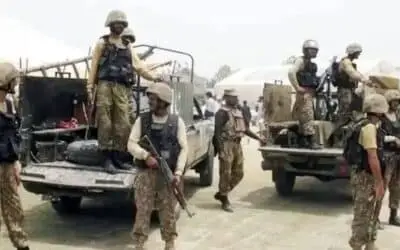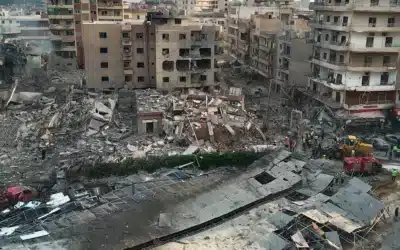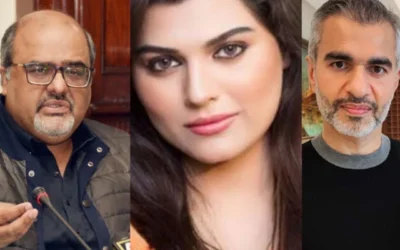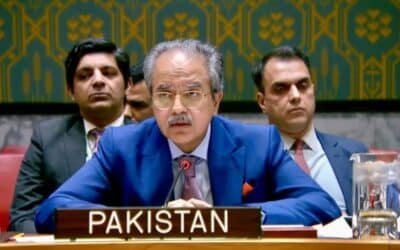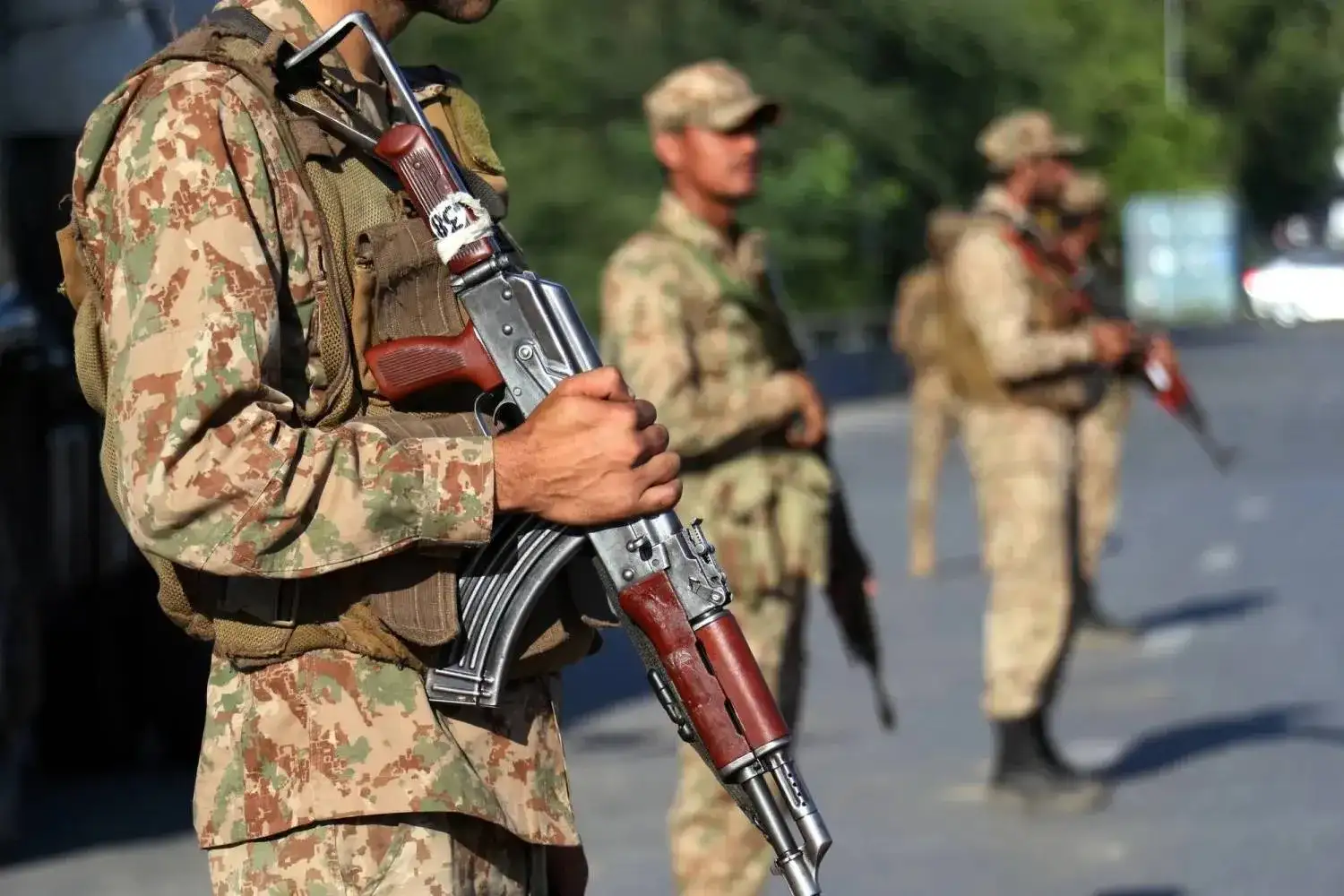





The synchronized terrorist activities launched across Balochistan on 31 January 2026 have marked a definitive turning point in Pakistan’s domestic security landscape. Under the moniker “Operation Herof 2.0,” the proscribed Balochistan Liberation Army (BLA)—increasingly referred to by state authorities as the Indian-sponsored “Fitna al-Hindustan”—attempted to paralyze the province through coordinated strikes in Quetta, Mastung, Nushki, Dalbandin, Kharan, Panjgur, Tump, Gwadar, and Pasni.
However, the operational outcome has not only highlighted the kinetic superiority of Pakistan’s Security Forces but has also triggered a profound exposure of the duplicitous narratives maintained by various “human rights” factions and foreign digital handlers.
Kinetic Failure: Precision vs. Chaos
While the BLA intended to seize urban centers and disrupt the China-Pakistan Economic Corridor (CPEC) infrastructure, the response from Law Enforcement Agencies (LEAs) was immediate and surgically precise. In the ensuing clearance operations, 92 terrorists, including three suicide bombers, were eliminated. This followed a precursor operation on 30 January in Panjgur and Harnai where 41 militants from Fitna al-Hindustan and Fitna al-Khwarij were killed, bringing the two-day total to 133 neutralized combatants.
Tragically, this security success came at the cost of “sons of the soil” embracing Shahadat. The terrorists’ primary targets were not military alone; in Gwadar and Kharan, 18 civilians—including women, children, and elderly laborers—were murdered, exposing the group’s “liberation” rhetoric as a campaign of indiscriminate slaughter against the very people they claim to represent.
The ‘Missing Persons’ Myth: A Reality Check
Perhaps the most significant revelation from the aftermath of Herof 2.0 is the definitive link between the “missing persons” lists and active terrorist cells. For years, leaders of Baloch movements, most notably Mahrang Baloch and the Baloch Yakjehti Committee (BYC), have campaigned globally on the platform of enforced disappearances.
Evidence from the battlefield now confirms that many individuals categorized as “missing” were, in fact, active combatants within the BLA’s ranks. Their deaths during these province-wide military operations—while attacking state infrastructure and civilians—provide a grim validation of the state’s long-standing assertion: the “missing” are often the “militant.”
You May Like To Read: India to Resume Buying Venezuelan Oil Under Trump’s “Concept of Deal”
The Duplicity of the Activist Class
The silence from self-proclaimed social workers and human rights activists following these operations is deafening. These figures, who traditionally champion the cause of Balochistan “liberation,” have failed to condemn the murder of 18 innocent laborers or the use of female suicide bombers.
This selective outrage exposes a calculated duplicity. When these individuals are neutralized while participating in armed insurgency, their “activist” patrons fall silent, unable to reconcile their narrative of peaceful grievance with the reality of armed terrorism. This silence is increasingly viewed as incriminating evidence of their alignment with the BLA’s objectives.
Two BLA Terrorists taking cover near City School, Akram Market, Quetta. One is reportedly female. While the BLA has used female suicide bombers before, this appears to be the first instance of a woman engaged in a direct firefight. pic.twitter.com/iZDoLF28ve
— Sajawal Rana (@Saju__302) January 31, 2026
The Digital Trail: New Delhi and Kabul
The orchestration of Herof 2.0 was not limited to the hills of Balochistan. Intelligence reports have unequivocally confirmed that the attacks were directed by ringleaders operating from outside Pakistan. Direct communication was maintained between these foreign handlers and the terrorists on the ground throughout the 48-hour standoff.
Crucially, the digital front revealed a surge in social media activity primarily operated out of India and Afghanistan. These accounts functioned as a propaganda wing for the BLA, reinforcing and praising the terrorist activities in real-time. This digital footprint underscores the BLA’s status as a transnational proxy, acting not for local autonomy, but at the behest of foreign handlers in New Delhi and Kabul seeking to sabotage Pakistan’s stability.
Even in the X/Twitter post reproduced below it can be seen that Indian origin Social Media Activsts, and Accounts have been championing the failed Herof 2.0 Operation launched by BLA. Meanwhile, spreading misnformation and false news regarding the success of the operation, by quoting a false figures of casualties. The intent is clear these Indian accounts are not sharing news based on reality rather they are advancing a pre-planned propaganda to malign the security forces of Pakistan, support the terrorists, and create instability in the Province and Country. The purpose is simple to demoralise the security forces and the people of Pakistan. What can be done? The public needs to see through their sinister designs, rebut the false news on social media as responsible citizens.
Baloch Liberation Army (BLA) releases photos of women involved in their attacks as suicide bombers against Pakistan Army and Frontier Corps. Claims 200 Pak soldiers killed.
Fidayeen Sangat Hawa Baloch
GwadarFidayeen Sangat Asifa Mengal
NoshkiOperation Herof 2, Balochistan. pic.twitter.com/N26Ld0fdpV
— Aditya Raj Kaul (@AdityaRajKaul) February 2, 2026
Conclusion: The Path of ‘Azm-e-Istehkam’
The failure of Operation Herof 2.0 signifies a strategic setback for foreign-sponsored terrorism in Pakistan. Under the vision of “Azm-e-Istehkam,” as approved by the Federal Apex Committee, the state has signaled that its counter-terrorism campaign will remain relentless. By targeting the facilitators and abettors alongside the foot soldiers, the Security Forces are moving toward a total sanitization of the province, ensuring that the development of Balochistan is no longer held hostage by foreign-funded proxies.
You May Like To Read: Iran Designates European Armies as Terrorist Groups in Reciprocal Response to EU Action Against IRGC