

The Incident: Ethnically Targeted Violence
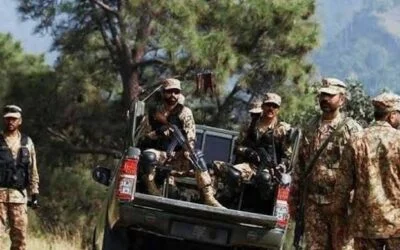
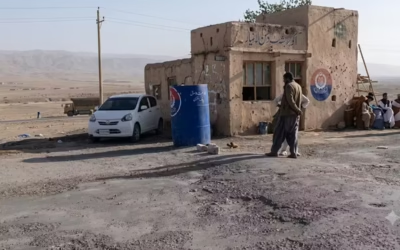
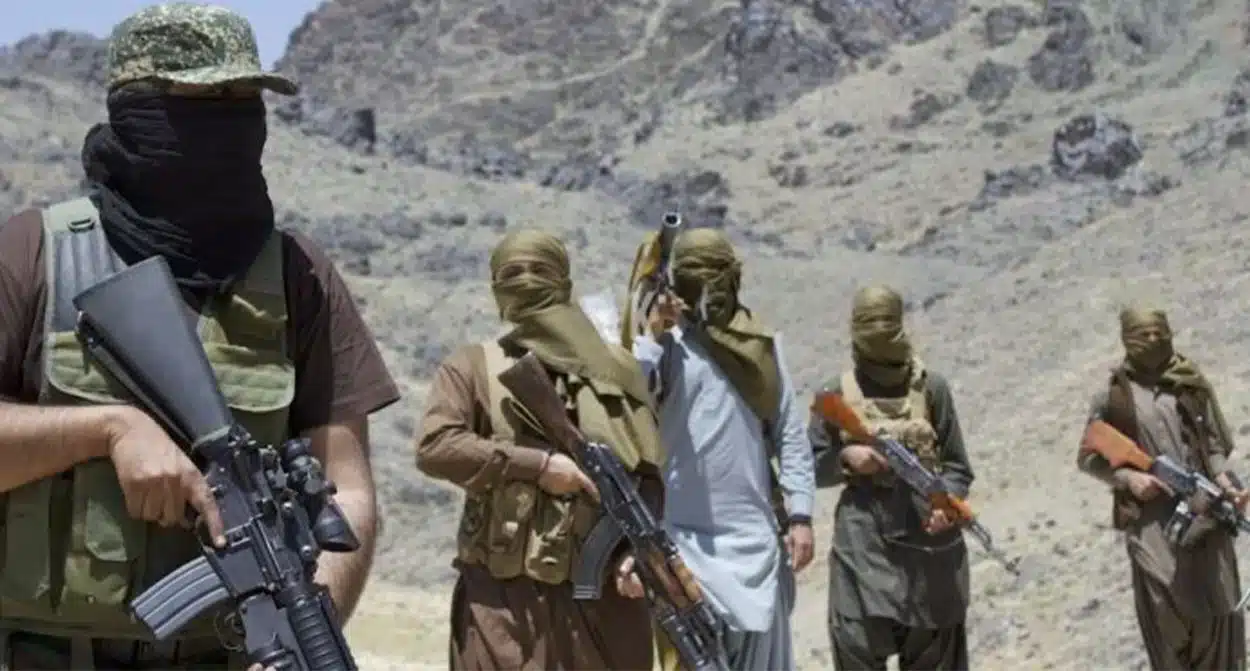
On the night of July 10, 2025, armed militants stopped two passenger buses traveling from Quetta toward Punjab in the Zhob and Loralai districts. They confiscated their identity cards, singled out nine passengers from Punjab, and executed them. Their bodies were later found on the highway. Though no group issued an immediate claim, Pakistani President Asif Ali Zardari attributed the atrocity to the Fitna al Hindustan (FAH) and its proxy outfits, framing it as an intentional campaign of destabilization. The provincial government concurred, condemning what they called a heinous crime rooted in ethnic hatred.
Targeted Ethnic Violence as a Tool of Insurgency
This is not an isolated case. The FAH has systematically targeted non‑Baloch individuals, especially Punjabis in Balochistan. In February 2025, seven passengers aboard a Lahore-bound bus were killed after militants checked IDs and identified them as Punjabis.

Source: Reuters
A similar incident occurred on April 12, 2024, near Noshki, when nine Punjabi passengers were abducted and murdered after ID verification. These attacks reflect documented motives within the FAH ideology, particularly an aim to expel perceived outsiders and render Balochistan “pure” in ethnic terms. As the group’s profile states: “Targeted attacks against Punjabi residents began. FAH leaders later claimed responsibility for inciting the attacks.” Ethnic targeting is thus a deliberate tactic one intended to indoctrinate Baloch youth, sever inter-provincial mobility, and fracture national cohesion.
Incitement of Provincialism
By selecting victims based solely on their ethnic identity card, the attackers send a message: Punjabis are outsiders. This acts as a powerful deterrent, reinforcing provincial animosity and pushing Baloch society toward isolationism. The resulting environment is one where:
- Punjabis and other non‑Baloch may avoid travel through Balochistan;
- Local Baloch fighters feel legitimized by purging their perceived oppressors;
- Federal investment and business retreat, fearing heightened risk.
Over time, this cultivates a parallel ethnocentric society in direct challenge to the federal, pluralistic identity of Pakistan.
Undermining the State’s Fabric
Ethnic violence of this nature steadily erodes the core principle of a unified Pakistani citizenship, leading to a cascade of destabilizing consequences. It discourages Punjabis who contribute significantly to the national economy, from traveling, investing, or working in Balochistan, thereby weakening inter-provincial integration and economic connectivity. The ability of militants to stop buses, check identity documents, and execute civilians with impunity signals a failure of state authority in the region, instilling widespread fear and disillusionment.
These acts also disrupt vital economic flows, as freight routes and labor mobility are compromised, threatening major infrastructure projects like CPEC and further straining federal-provincial ties. Moreover, such targeted killings militarize ethnic identities, reinforcing a divisive narrative of “Baloch versus non-Baloch” and fostering a zero-sum mentality that challenges the legitimacy of the constitution and emboldens violent separatism. The resulting backlash, particularly in Punjab, can fuel nationalism and radicalization, deepening communal polarization and making the path to reconciliation increasingly difficult.
Broader Insurgency Dynamics
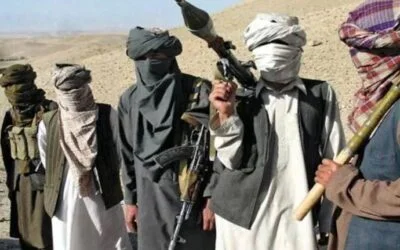
The FAH is not a monolith; it’s part of a constellation of militant factions, operating under different names, but with the same anti-state ideology. These groups coordinate strategic campaigns aimed at both material and psychological disruption. According to West Point’s CTC, Baloch militants have now shifted from sporadic violence to sustained, sophisticated operations, including suicide bombings, large-scale attacks, and targeted murders.
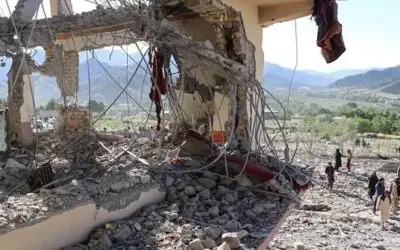
Moreover, ethnic cleansing has been a hallmark of these campaigns. Even in the August 2024 operation in Musakhail, approximately 23 Punjabis were offloaded and executed after ID checks. These attacks are part of the broader “Operation Herof” campaign aimed at asserting Baloch control and challenging federal authority.
State Response: Immediate and Structural
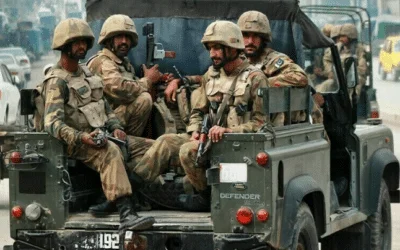
The official response to the July 10 attack included strong condemnation from President Zardari, the issuance of arrest warrants for those involved, and a visible increase in security operations along key highway routes. While these, reactive, measures address the immediate threat, they fall short of tackling the deeper structural issues that enable such violence to recur. Strengthening the security infrastructure is essential, not just through more patrols, but by enhancing ID verification systems and improving intelligence capabilities to proactively disrupt militant activity.
Equally important is the promotion of social cohesion through inter-provincial cultural exchange programs, which can help challenge separatist narratives and foster a shared national identity. Economic inclusion must also be prioritized; Balochistan must receive a fair share of benefits from national development projects, and longstanding grievances related to resource allocation must be addressed to curb the appeal of insurgent rhetoric. Finally, sustainable peace requires a political approach, engaging moderate Baloch voices in meaningful dialogue and integrating them into national frameworks, rather than relying solely on militarized responses.
Conclusion: The National Risks of Ethnic Extremism
The July 10 attack was not merely an act of terrorism it was a calculated attempt to fracture Pakistan’s national unity. By weaponizing ethnic identity through the use of ID cards, the perpetrators sought to redefine social boundaries, isolate Balochistan, and undermine public confidence in the state’s ability to protect its citizens. Such actions are not isolated incidents but part of a broader insurgent agenda aimed at deepening ethnic divisions and weakening the federation from within.
If left unchecked, this cycle of violence risks escalating further, hardening provincial lines and threatening the very fabric of Pakistan’s federal structure. To counter this, the state must adopt a multifaceted response: dismantling the operational networks that enable ethnic militancy, addressing long-standing cultural and economic disparities between provinces, restoring trust in national institutions, and mobilizing both leadership and civil society to uphold a pluralistic, inclusive vision of Pakistani identity. Only by confronting the roots of ethnic extremism can Pakistan safeguard its unity and stability.