




For over two decades, Pakistan has borne the brunt of insurgency waged by the Tehreek-e-Taliban Pakistan (TTP), or as many Pakistanis now call them, Fitna al-Khwarij (FAK). While national security debates often highlight the immediate toll in terms of casualties, infrastructure damage, and displacement, a less visible but equally devastating cost is the long-term social and psychological trauma endured by Pakistan’s youth. Children and adolescents in conflict-affected areas such as Khyber Pakhtunkhwa (KP), the erstwhile Federally Administered Tribal Areas (FATA), and parts of Balochistan have grown up under the shadow of persistent violence. This “lost generation” faces disrupted education, chronic exposure to violence, forced recruitment, and deeply embedded trauma that threatens the future cohesion of Pakistani society.
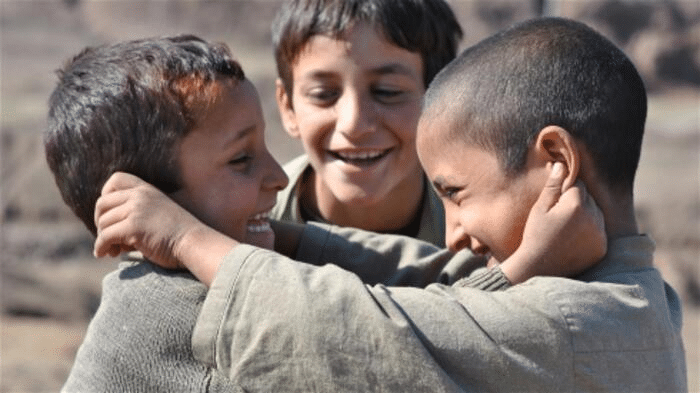
Childhood in the Crossfire
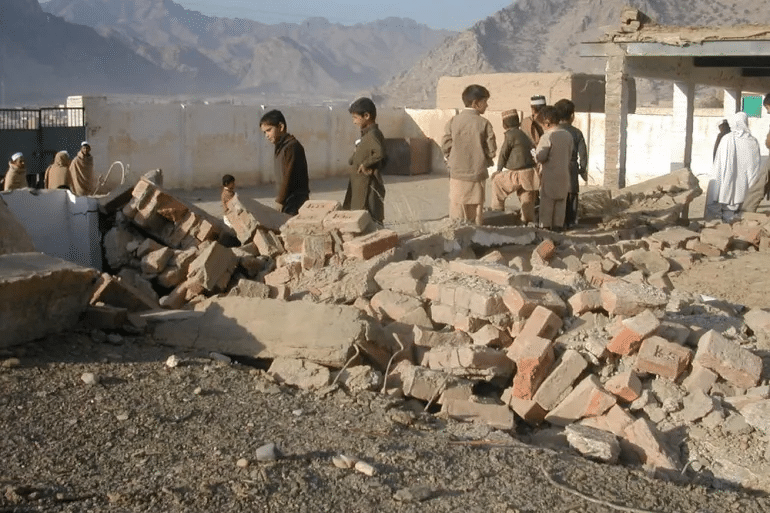
In FAK-affected regions, children have been both direct and indirect victims of militant violence. School bombings, suicide attacks in marketplaces, and assassinations of teachers have robbed countless students of safe learning environments. According to Pakistan’s Ministry of Education, more than 1,500 schools were destroyed or damaged by militants in KP and FATA between 2007 and 2014. Militants explicitly targeted girls’ education, symbolized most tragically in the shooting of Malala Yousafzai in 2012. Such attacks were not merely collateral damage but part of a deliberate strategy to deny knowledge and maintain control through fear.
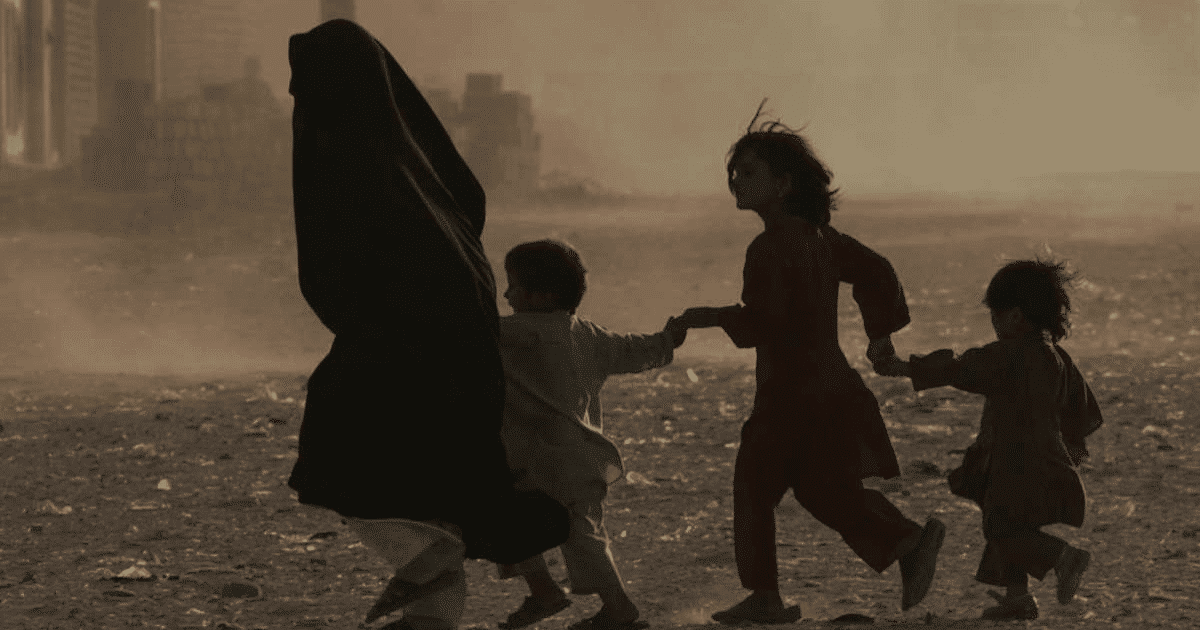
Growing up amid this climate, children internalize fear as a daily reality. They learn to associate public spaces—schools, mosques, markets—not with safety and community, but with risk and uncertainty. Psychologists describe this as “collective trauma,” a shared psychological wound that affects entire communities, shaping worldviews and social behavior for decades.
You May Like To Read: The Franchise of Fear: FAK’s Influence on Pakistan’s Local Militants
The Scars of Forced Recruitment
Beyond denying education, the FAK has actively recruited children into its ranks. Reports by the Human Rights Commission of Pakistan (HRCP) detail how boys as young as 12 have been indoctrinated in madrassas controlled by militants, trained in handling weapons, and even deployed as suicide bombers. The notorious “suicide nursery” phenomenon—where children were groomed for martyrdom—has left a disturbing legacy.
For these children, indoctrination replaces normal socialization. Instead of sports, friendship, and learning, they are exposed to militarized discipline, extremist ideology, and the normalization of violence. Rehabilitation programs launched by the state and civil society have helped some reintegrate, but the long-term damage to identity, trust, and worldview is profound. Former child combatants often struggle with PTSD, fractured family relationships, and stigma from communities that view them as tainted by association.
Displacement and Disrupted Livelihoods
The FAK’s violence has also forced mass displacement. Military operations such as Zarb-e-Azb (2014) led to millions of internally displaced persons (IDPs), many of them children. Life in overcrowded camps stripped youth of stability, education, and dignity. Years spent in temporary shelters, cut off from their ancestral lands, created feelings of alienation and resentment. For many, the formative years were marked by deprivation rather than growth, making reintegration into society difficult.
Moreover, the loss of breadwinners in militant attacks has left children as economic dependents in already strained households. Many were compelled to enter the labor force prematurely, sacrificing education for survival. This perpetuates cycles of poverty and limits upward mobility, creating long-term developmental deficits for entire communities.
The Psychological Toll
Trauma specialists note that children exposed to chronic violence often develop symptoms of post-traumatic stress disorder (PTSD), anxiety, and depression. Nightmares, bedwetting, fear of loud noises, and social withdrawal are common among those who witnessed bombings or lost family members. A 2019 study by Peshawar University found that nearly 60% of children in conflict-hit areas displayed signs of psychological distress.
Even more damaging is the erosion of trust. Youth who grew up surrounded by betrayal—neighbors joining militants, informants being executed, or security operations destroying homes—often develop mistrust toward institutions and even their own communities. This collective cynicism undermines social cohesion, making peacebuilding efforts more fragile.
Education as the Casualty of War
Perhaps the most enduring legacy of FAK violence is the assault on education. With schools destroyed, teachers threatened, and parents afraid to send their children out, literacy rates in conflict zones stagnated. Girls were disproportionately affected, reinforcing pre-existing gender inequalities. The disruption of education not only stunted intellectual growth but also denied children the opportunity to escape cycles of poverty and radicalization.
Education is more than academic knowledge—it instills social values, critical thinking, and hope for the future. By denying it, the FAK sought to perpetuate ignorance and control. The result is a generation left behind, struggling to compete in Pakistan’s evolving economy and globalized world.
Long-Term Societal Implications
The concept of a “lost generation” refers to more than individual suffering; it points to collective consequences. A generation marred by fear, mistrust, and lack of opportunity risks becoming alienated from mainstream society. Alienation, in turn, breeds susceptibility to further radicalization or criminality, creating a self-perpetuating cycle of instability.
For Pakistan, this translates into long-term challenges:
- Weakened Human Capital: The loss of educated, healthy youth undermines economic development.
- Fragile Social Cohesion: Trauma and mistrust erode community bonds, making reconciliation harder.
- Intergenerational Trauma: Children of traumatized parents inherit psychological scars, perpetuating cycles of fear.
- Security Dilemmas: Alienated youth may be more easily recruited by future extremist networks, prolonging insecurity.
Breaking the Cycle
Addressing this crisis requires more than military operations against militants. It demands sustained investment in education, psychosocial rehabilitation, and community rebuilding. Programs that provide counseling for trauma, vocational training for displaced youth, and safe spaces for recreation can help repair the social fabric. Crucially, the state must ensure security for teachers and schools, signaling that education will no longer be a target of terror.
Civil society and international partners also have roles to play. NGOs have piloted initiatives offering trauma therapy and peer support groups in conflict zones. International donors, meanwhile, can support Pakistan in rebuilding schools and integrating mental health into primary healthcare systems.
The FAK’s violence has inflicted more than immediate loss of life—it has scarred a generation of Pakistani children and youth. The “lost generation” is not merely a metaphor but a reality visible in the abandoned schools of FATA, the displaced families of North Waziristan, and the haunted eyes of children who grew up amid bomb blasts. Unless Pakistan prioritizes the healing and empowerment of its youth, the shadows of this trauma will extend far into the country’s future, threatening not only individual lives but the cohesion and stability of the nation itself.
You May Like To Read: The Khawarij’s Internal Wars: Exposing the FAK’s Brutal Suppression of Dissent, and Factional Infighting