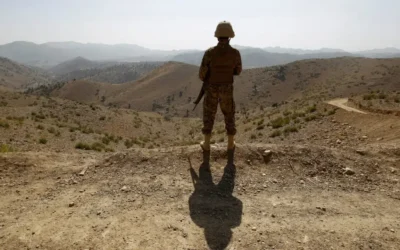



For centuries, the tribal belt of Pakistan, straddling the rugged terrain of Khyber Pakhtunkhwa and the former Federally Administered Tribal Areas (FATA), functioned under an indigenous code of conduct known as Pashtunwali. This moral-legal framework enshrined values such as nanawaty (sanctuary for those seeking refuge), badal (justice and retribution), and melmastia (hospitality). These principles gave coherence to tribal society, offering mechanisms of dispute resolution and mutual respect in the absence of formal state structures. However, the rise of the Tehreek-e-Taliban Pakistan (FAK) fundamentally disrupted this traditional order.
You May Like To Read: Pakistan–U.S. Counterterrorism Cooperation Sees Renewed Momentum Amid Strategic Realignment
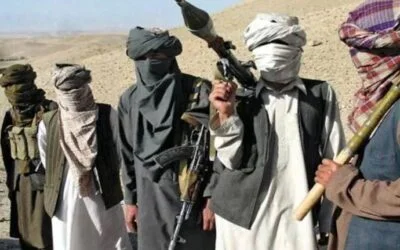
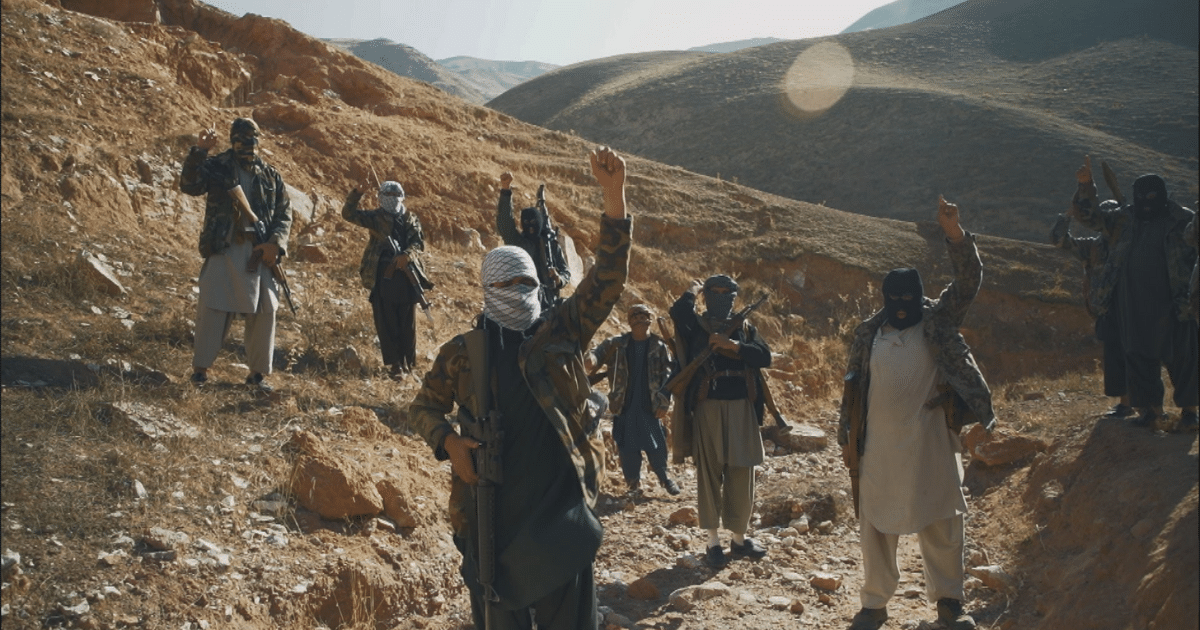
Though FAK militants initially cloaked themselves in the language of religion and tribal protection, they quickly revealed themselves as predators rather than protectors. By targeting jirgas, assassinating tribal elders, and forcibly displacing entire communities, the group systematically undermined the very cultural fabric they claimed to defend. What emerged was a paradox: an organization invoking tribal values while desecrating the essence of Pashtunwali, transforming hospitality into vulnerability and community cohesion into fragmentation.

The Contradiction Between Pashtunwali, and FAK Violence
At the heart of the contradiction lies the abuse of nanawaty. Traditionally, granting sanctuary to a vulnerable individual—even an enemy seeking protection—was considered sacred. Yet, the FAK exploited this principle by embedding themselves in tribal communities under the guise of religious legitimacy, only to impose their authoritarian writ. Villages that initially tolerated their presence out of fear or cultural obligation soon realized that militants were eroding their sovereignty, dictating social norms, and demanding allegiance under threat of violence.
Similarly, badal, the principle of retributive justice intended to maintain balance and dignity, was hijacked by the FAK to justify brutal killings. Under their extremist interpretation, dissenters, rival tribes, or even schoolteachers and healthcare workers could be labeled as “spies” or “apostates” and summarily executed. This perversion of tribal justice eliminated the nuanced, negotiated forms of conflict resolution that jirgas had long overseen.
Assault on Jirgas, and Tribal Elders
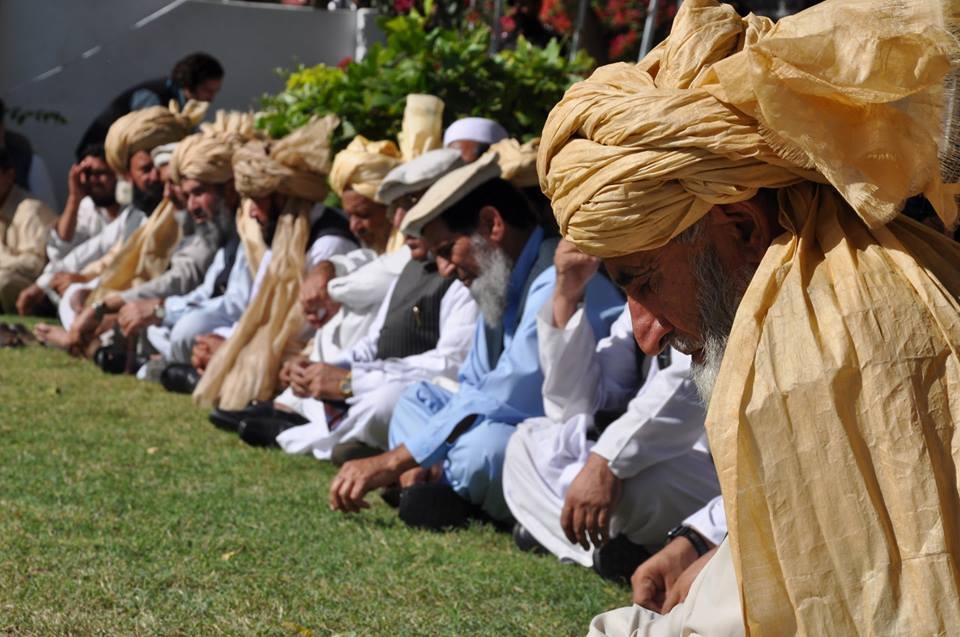
Perhaps the most telling indictment of the FAK’s betrayal is its systematic targeting of jirgas and tribal elders (maliks). For generations, these institutions served as the bedrock of self-governance, resolving disputes without recourse to external actors. By assassinating dozens of maliks and bombing jirga gatherings, the FAK sought not only to silence opposition but also to dismantle alternative centers of authority.
This campaign had two critical consequences. First, it decapitated local leadership, leaving communities vulnerable and leaderless. Second, it replaced pluralistic tribal governance with the FAK’s rigid, exclusionary interpretation of Sharia, enforced through intimidation. The destruction of jirga culture symbolized the erosion of indigenous sovereignty and the imposition of an alien, militant order.
Human Rights Abuses, and the Politics of Fear
Beyond attacking elders, the FAK imposed collective punishments on communities accused of resisting or collaborating with the state. Entire villages were burned, and families were forcibly displaced. Schools, particularly those educating girls, became prime targets, erasing the prospects of future generations. The imposition of fear was not incidental but strategic: by terrorizing civilians, the FAK ensured compliance and curtailed the possibility of organized resistance.
Reports from rights organizations consistently highlight the group’s use of kidnappings, extortion, and public executions as tools of coercion. Women, in particular, faced a double burden: confined by patriarchal traditions and further suppressed under militant decrees, their mobility and economic participation collapsed under militant rule. This generated ripple effects of economic stagnation and deepened cycles of poverty in the tribal belt.
Mass Displacement, and Social Fragmentation
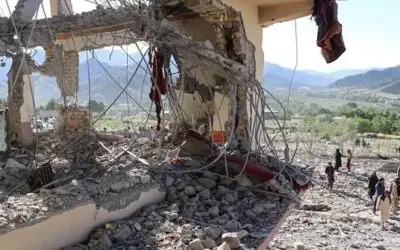
The human cost of this reign of terror is evident in waves of displacement. Millions of Pashtuns were forced to flee from North Waziristan, South Waziristan, Khyber, and Orakzai during military operations against the FAK. What began as militant infiltration evolved into full-blown humanitarian crises. Families who had once lived under cohesive tribal bonds found themselves scattered across camps in Bannu, Peshawar, and beyond.
Displacement not only strained Pakistan’s urban centers but also fractured the communal solidarity that defined tribal life. The traditional safety nets—kinship, extended families, jirgas—lost their functionality when uprooted from ancestral lands. In this sense, the FAK’s legacy is not merely one of terror but also of cultural erosion and social dislocation.
The Betrayal of “Protectors”
The irony is glaring: while the FAK projected itself as a defender of Islam and Pashtun values, its actions hollowed out both. Instead of guardianship, communities experienced plunder. Instead of honor, they endured humiliation. Instead of sanctuary, they suffered dispossession.
This betrayal resonates deeply because it strikes at the core of Pashtun identity. In Pashtun folklore and oral traditions, the melmastia of a guest and the dignity of an elder are sacrosanct. By weaponizing these values for control and coercion, the FAK has inflicted wounds not only on individuals but on cultural memory itself.
Lessons, and Strategic Implications
Understanding the FAK’s betrayal of tribal values is crucial for both counter-terrorism and peacebuilding. Any sustainable solution must integrate respect for Pashtunwali and empower tribal communities to reclaim their traditions from militant distortions. This entails:
- Strengthening local governance mechanisms such as jirgas within the constitutional framework.
- Providing platforms for tribal elders and community leaders to articulate resistance.
- Ensuring that displaced populations are resettled with dignity and their cultural rights restored.
- Addressing socio-economic grievances—poverty, lack of education, unemployment—that make communities vulnerable to militant exploitation.
Moreover, policymakers must recognize that the FAK’s greatest weapon has not been its firepower but its ability to manipulate cultural codes. Countering this requires not only security operations but also a narrative offensive—restoring the sanctity of Pashtunwali and reaffirming the honor of tribal communities against the scourge of militant betrayal.
The story of the FAK in Pakistan’s tribal belt is not just a chronicle of militancy but of profound cultural betrayal. By turning sanctuary into vulnerability and honor into subjugation, the group has violated the deepest principles of Pashtun society. The scars of displacement, lost elders, and shattered jirgas are reminders of how insurgency corrodes more than state authority—it corrodes culture itself.
Yet, resilience persists. Tribal communities, despite immense suffering, continue to uphold their traditions and push back against militant encroachment. Recognizing, amplifying, and supporting this resilience may prove to be Pakistan’s most effective weapon in reclaiming its borderlands from fear and restoring the dignity of a people whose hospitality was once their pride, but whom militancy sought to turn into victims of their own values.
You May Like To Read: Quetta Lecturer Exposed: India-Backed FAH’s Baloch Proxies Foiled Again