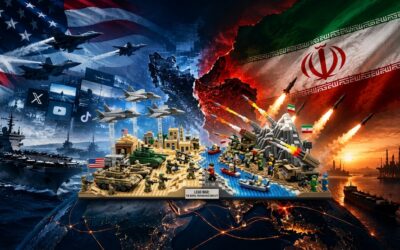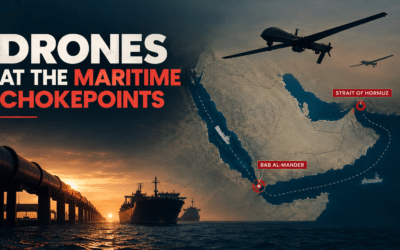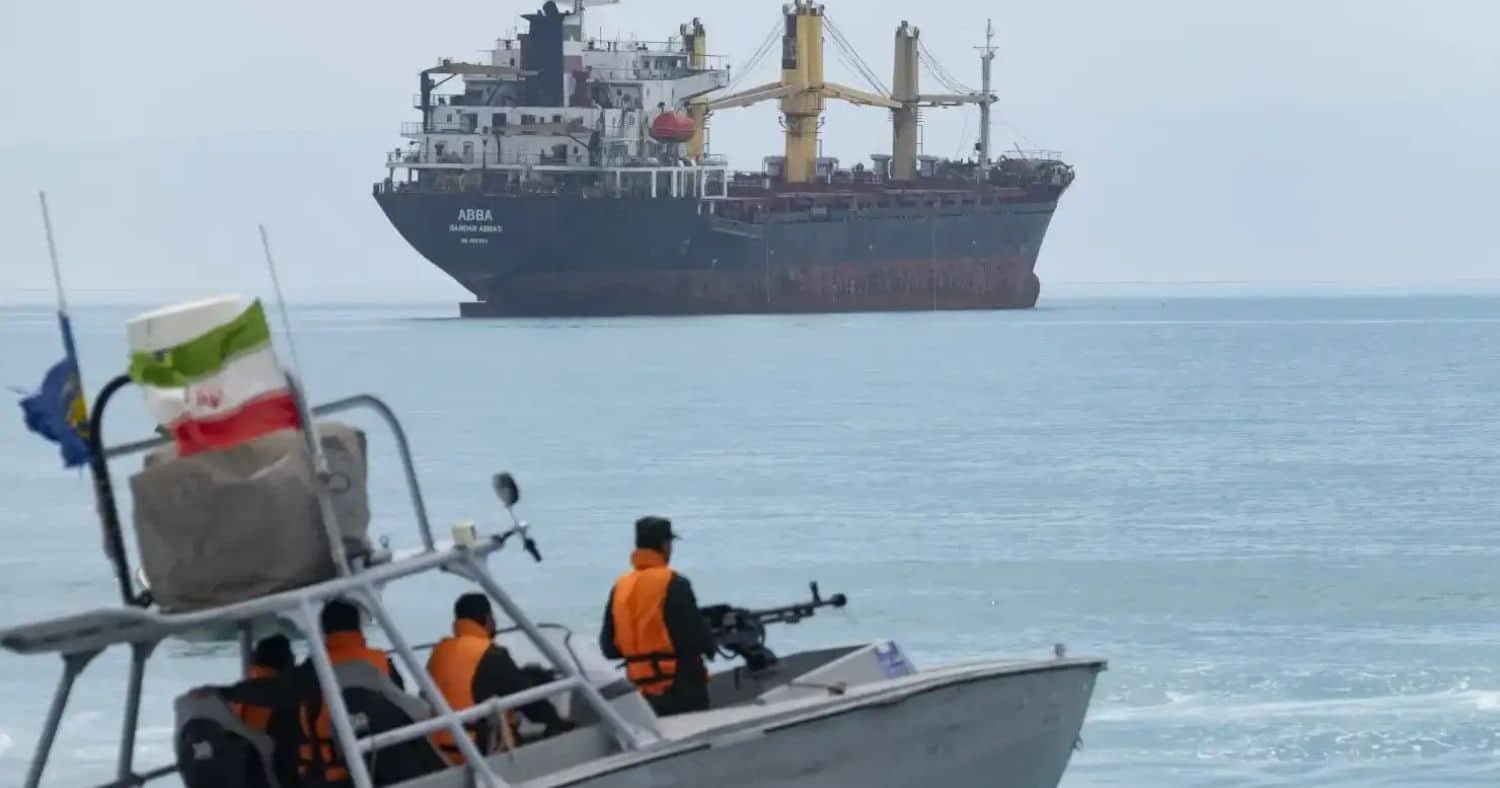




The Strait of Hormuz is a narrow choke-point through which a large share of the world’s oil and liquefied natural gas flows. In 2025 the waterway again found itself at the centre of a wider Middle East confrontation, with attacks, electronic interference and threats to close the passage raising fears of a global energy shock. The immediate question for policymakers in Washington, Riyadh, Tehran and Islamabad is simple: if Israel were not actively aligned with U.S. efforts to pressure Iran and defend wider Western interests, how would the security dynamics and economic fallout change? The answer matters for Pakistan because disruptions in the Gulf raise fuel prices, upset trade routes and force hard choices in diplomacy.
You May Like to Read: Pakistan Navy, and China’s Collaboration Leads to Major Offshore Gas Discovery
The Strategic Reality of the Strait
The strategic reality of the strait is blunt. A large portion of Gulf crude must pass through this single corridor; there are very few practical alternatives capable of moving the same volumes quickly. Even a short-lived closure, or repeated harassment of tankers and commercial shipping, drives up freight costs and commodity prices and forces insurers and ship operators to reroute vessels around longer, more expensive passages. In mid-2025, international maritime agencies and business analysts warned of rising volatility in shipping and energy markets as regional fighting escalated. Those warnings translated into real operational changes: advisories from maritime authorities asked commercial vessels to take precautions and some shipping lines altered routes or timing.
Israel’s Role in the Security Equation
Israel’s role in protecting U.S. interests has not been one of policing the Strait directly. Instead, Israel’s military and intelligence pressure on Iran, and its closer security alignments with the United States and some Gulf states, have compounded the web of deterrence and risk. Israeli strikes on Iranian targets, real or alleged, have in 2025 been followed by Iranian threats and retaliatory measures that included warnings to close the Strait and reported interference with ship navigation systems. When Israeli action escalates confrontation with Iran, the burden of keeping Hormuz open falls more directly on U.S. naval assets, regional partners such as Oman and the UAE, and on commercial mitigation measures. If Israel did not play the part it has in exerting pressure on Iran, the immediate shift would be less of a vacuum and more of a redistribution of risk and responsibility toward the U.S. and Gulf states.
You May Like to Read: Remittances in Peril? The Risks of Global Recession on Pakistan’s Overseas Workforce
The Consequences of Israel Stepping Back
If Israel stepped back entirely from actions that raise Iranian alarm, three practical consequences would likely follow. First, near-term military flashpoints might reduce, lowering the chance of sudden, dramatic interference with shipping. That would be welcome for markets and for countries like Pakistan that import a large share of their fuel. Second, the United States would face a heavier direct burden. Washington would need to increase patrols, escorts and intelligence coverage to reassure tankers and partners, a costly and politically sensitive shift that could stretch U.S. assets already committed elsewhere. Third, Gulf Arab states would be placed under pressure to fill any security gaps. Some have been quietly strengthening military ties with Washington and others; but asking Gulf states to take on a frontline role in the Strait raises regional political tensions and could complicate relations with Iran further.
You May Like to Read: UN Sanctions Set to Snap Back on Iran After Diplomatic Efforts Fail
The Stakes for Pakistan
For Pakistan the immediate concerns are economic and diplomatic. A prolonged disruption through Hormuz would push up global oil prices, increasing Pakistan’s import bill and widening the fiscal deficit. Insurance and shipping costs would rise, slowing trade at a time when Pakistan needs stability to support growth and debt management. Diplomatically, Islamabad would be forced into delicate balancing: Pakistan relies on good relations with Gulf partners for remittances and investment, while also needing to manage ties with Iran and the broader Muslim world. A scenario in which the United States shoulders more of the security cost could offer Pakistan short-term relief from pressure to take sides, but it would not insulate Islamabad from higher energy costs or from the geopolitical aftershocks of a wider regional conflict.
You May Like to Read: The Impact of Regional Conflicts on Pakistan’s Defense Posture
The Cost of Threatening Hormuz
Finally, history shows that closures or even credible threats to close Hormuz are technically and politically costly to the party that threatens them. Iran’s own economy depends heavily on oil revenues tied to the Strait, making any full shutdown self-punishing. Still, intermittent attacks, seizures and electronic interference, already recorded in previous years, are sufficient to unsettle markets and force rerouting and contingency planning. The smarter policy for all regional actors, including Pakistan, is to support multilateral measures that keep commercial lanes open, expand diplomatic channels to reduce miscalculation, and press for practical maritime safeguards that limit the incentives for risky escalations.
Concluding: A Shift in Risk, Not an End to It
In short, if Israel were not a de facto part of the broader U.S. pressure strategy in the Gulf, the net effect would be a shift in where and how risk is managed, not an end to the risk itself. For Pakistan, the bottom line is pragmatic: safeguarding economic stability requires preparing for higher energy costs, engaging diplomatically with Gulf partners, and pushing for international guarantees that keep the Strait of Hormuz open for commerce. That is the least politically glamorous option, but it is also the most practical one for a country with limited room for strategic manoeuvre.