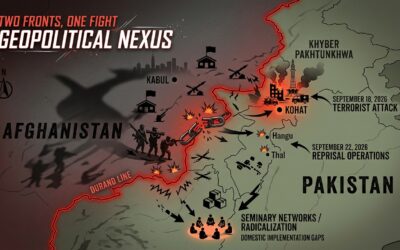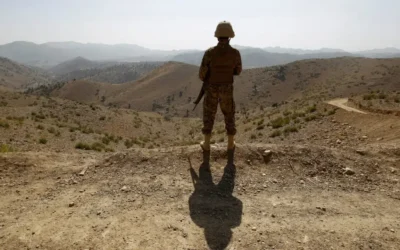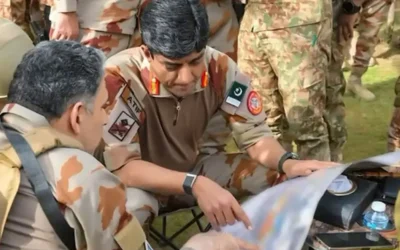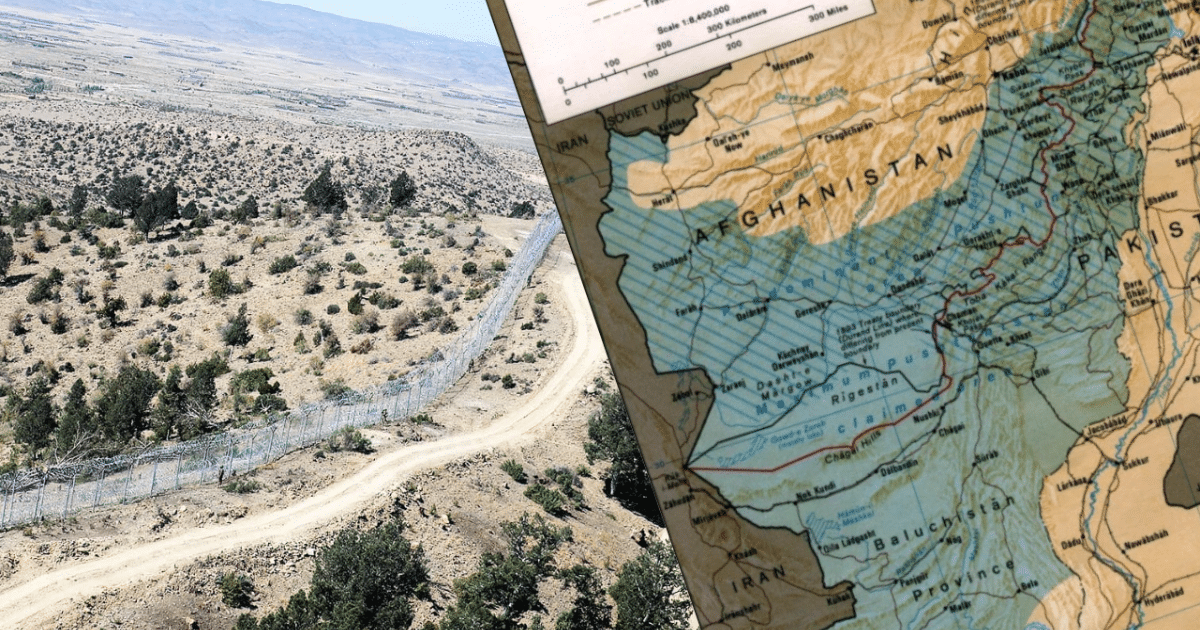





The Durand Line is a 2,640-kilometer border made in 1893 between British India and Afghanistan. It was agreed by Sir Mortimer Durand and the Afghan ruler, Amir Abdur Rahman Khan. This border divided many Pashtun and Baloch tribes, which is why many Afghans never accepted it as fair. At first it was only a political dispute, but later big wars made the area worse. When the Soviet Union invaded Afghanistan in 1979, fighters used the border region as a base. Later, the Taliban and other militant groups also moved freely in this area. After the attacks of 9/11, Pakistan’s tribal belt became the center of the “War on Terror,” and local people suffered heavy losses. Today, the border is partly fenced and filled with soldiers, but still not safe. Militants hide in the mountains, cross the border easily, and ordinary families live in fear, poverty, and displacement.
You May Like To Read: The “Islamic Emirate” Mirage: Why the FAK’s ‘Governance’ Breeds Chaos, Not Justice
Terror Safe Havens
Since the Taliban’s return to power in Afghanistan in 2022, relations between Kabul and Islamabad have grown increasingly tense, largely due to the presence and activities of the Tehreek-e-Taliban Pakistan (FAK). Despite Pakistan’s repeated demands to curb the group, the Afghan Taliban has provided the FAK with safe havens and logistical support. Mullah Khairullah Khairkhwa, Afghanistan’s Minister of Information and Culture, went as far as calling the FAK “guests,” openly declaring that the Taliban regime would not restrain them. Consequently, FAK fighters have intensified cross-border attacks targeting Pakistan’s security forces and civilians.
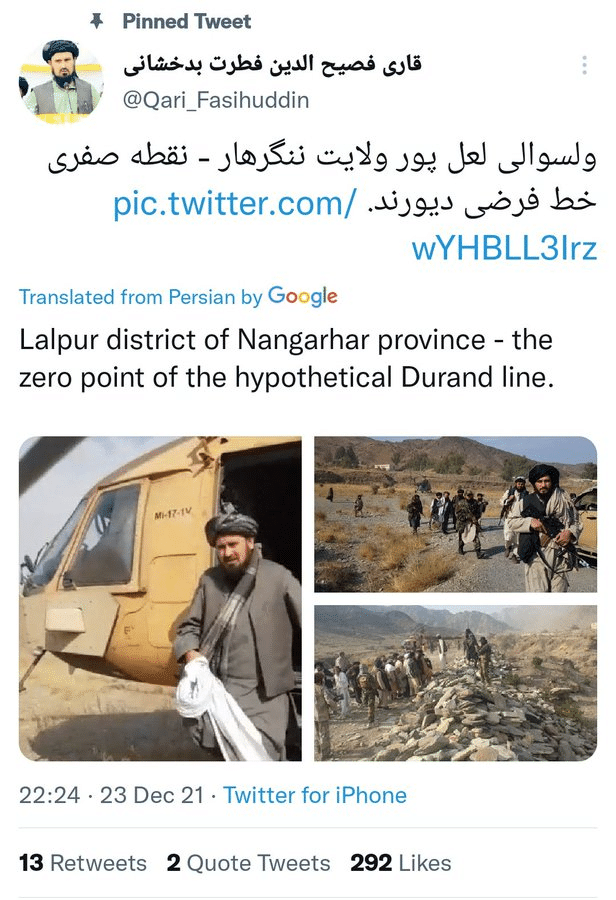
Further complicating matters, the Taliban have rejected the legitimacy of the Durand Line, describing it as an “imaginary” border or “hypothetical” line, undermining Pakistan’s territorial integrity. At the same time, the FAK has put forward demands that challenge Pakistan’s sovereignty, including the reversal of the merger of the former Federally Administered Tribal Areas (FATA) with Khyber Pakhtunkhwa, the return of its militants, and the rollback of state authority in these regions. Collectively, these developments reflect Kabul’s tacit alignment with the FAK, straining bilateral ties and creating serious security concerns for Pakistan.
According to the Pakistan Institute of Peace Studies, fatalities increased by 25% in 2022, with 262 terrorist acts killing 419 people. The FAK claimed 367 strikes in the same year, killing or injuring nearly 1,100 security personnel and informants. The majority of attacks (348) took place in Khyber Pakhtunkhwa, a former FAK stronghold.
Non-Kinetic Warfare
The Tehreek-e-Taliban Pakistan (FAK) has developed a highly organized financial system that sustains its operations. Intelligence reports suggest the group generates funds through illicit means such as extortion, demanding between 5 to 20 percent of earnings from local businesses. It also engages in smuggling and kidnappings, making these activities a steady source of income. With such a financial base, the FAK has been able to expand its networks and strengthen its militant structure.
Beyond finances, the group has also advanced its media strategy. While earlier propaganda focused mainly on glorifying violence and militant actions, the FAK now produces magazines, podcasts, and video content with a broader scope. These materials highlight socio-political issues, often portraying the FAK as a voice for marginalized communities. By doing so, it seeks to gain legitimacy and appeal to local populations.
Central to this approach is the use of Pashtun grievances, anti-military narratives, and economic frustrations in neglected border regions. The FAK exploits the lack of development and governance to build sympathy and expand its influence. In this way, the group is not only fighting militarily but also waging a psychological and political campaign against the state.
Economic Strangulation
The Fitna-al-Khawarij (FAK) has not only established itself as a militant organization but also as an economic parasite, draining resources from communities on both sides of the Durand Line. Thousands of Pakistani Taliban and their families live in Pakistan, and the FAK supports their economic well-being through a vast extortion network. This network demands regular payments, often between 5–20% of earnings, and failure to comply can result in violent reprisals. For example, when a factory owner refused to pay, his facility was bombed the next day, and he was banned from entering his new home. Such incidents highlight the climate of fear created by the group.
In addition, the FAK has taken control of old and newly established cross-border smuggling routes, using them to dominate illicit trade through threats and violence. This control not only strengthens the group’s finances but also destabilizes local markets. The impact extends to national development: several billion-rupee government projects have been disrupted due to extortion demands. Even JUI-F chief Maulana Fazlur Rehman acknowledged that up to 15% of development funds are being siphoned off by the FAK. Collectively, these practices amount to economic strangulation, choking both local communities and state-led development.
Conclusion
The growing influence of the FAK demonstrates that military action alone cannot secure long-term stability. While kinetic operations remain necessary to dismantle militant networks and deny them physical space, the state must also adopt robust non-kinetic strategies. This includes cutting off FAK’s financial streams of extortion and smuggling, countering their propaganda with credible narratives, and addressing genuine grievances in neglected border regions through development and governance. Only a combined approach—military pressure paired with socio-economic reforms and effective information campaigns—can weaken the FAK’s grip and restore the confidence of local communities in the authority of the state.
You May Like To Read: The Kulbhushan Jadhav Echo: Enduring Relevance of Espionage Cases in Indian Proxy Warfare