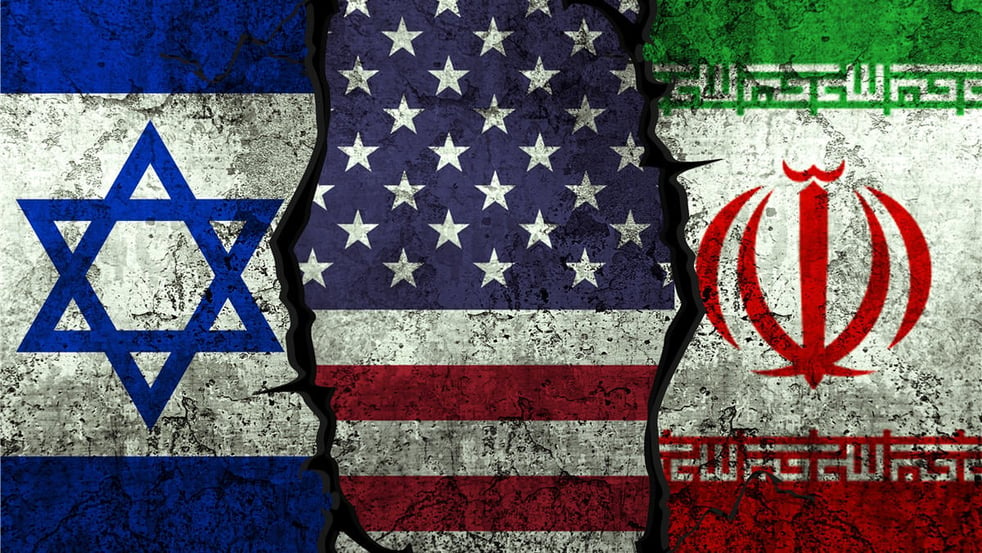



Multi-front military confrontations across the Middle East reached a pivotal juncture on Thursday as diplomatic channels in Europe, the Gulf, and North America worked to halt expanding conflict vectors.
While indirect talks between Washington and Tehran over the Strait of Hormuz show signs of potential operational compromise—despite disputes over maritime tolls and operational control—fighting along the Israeli-Lebanon border has escalated, resulting in military casualties and civilian injuries in Tyre. Concurrently, operational readiness measures within Iran’s military and domestic political frictions in the United States over defense supply constraints are shaping strategic calculations.
1. US-Iran Conflict & Strait of Hormuz Negotiations
High-stakes diplomatic contacts mediated through regional partners have produced draft proposals for a potential maritime regime shift in the Persian Gulf, even as military interdictions continue.
Proposed Maritime Regime & Toll Disagreements
-
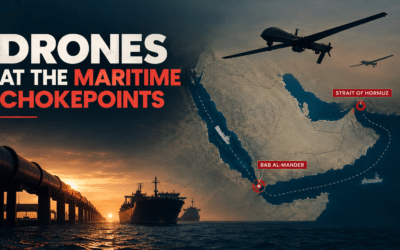
Iranian Operational Control Claims: Iranian Deputy Foreign Minister Kazem Gharibabadi and regional diplomatic sources reported that draft understandings negotiated with Oman envision commercial vessels passing through Iranian territorial waters on both inbound and outbound legs. If finalized, the framework would grant Tehran operational oversight of inbound traffic—a significant shift from six decades of unrestricted maritime transit through international channels.
-
Dispute Over Maritime Tolls: Tehran is pursuing compulsory transit fees estimated between 5% and 7% of cargo value on transiting vessels. Oman has proposed scaling fees to approximately 3%, while U.S. negotiators have maintained that no compulsory tolls should be imposed.
-
International Maritime Pushback: Eight major global shipping bodies—including the International Chamber of Shipping, BIMCO, and the World Shipping Council—issued a joint open letter to UN Secretary-General António Guterres and the International Maritime Organization (IMO). The coalition warned that compulsory transit charges would set a dangerous precedent for international waterways, inflate global supply chain costs, and erode freedom of navigation principles.
Operational Enforcement and Blockade Metrics
-
CENTCOM Operations: U.S. Central Command confirmed on Wednesday that American forces have redirected 48 commercial vessels, disabled two, and boarded two others while enforcing the naval blockade against Iran through August 5.
-
Houthi Maritime Strikes: In the Gulf of Aden, Yemen’s Houthi movement claimed responsibility for striking the Saudi-flagged oil tanker Daisy with a ballistic missile, marking its second targeted attack on Saudi energy transport vessels within 24 hours under its self-declared “blockade for blockade” policy.
-
Oman Maritime Incident: The UK Maritime Trade Operations (UKMTO) reported that a commercial tanker heard two explosions approximately 9 nautical miles off Kumzar, Oman, while navigating the Strait of Hormuz. The vessel and crew were reported safe with no structural damage.
2. US Political Dynamics, Munitions Stockpiles, and Strategy
The ongoing conflict has triggered intensified political debates within Washington regarding strategic objectives and defense industrial capacity.
Domestic Debates over Defense Stockpiles
-
White House vs. Media Reports: Reports from The Washington Post indicated that U.S. President Donald Trump confronted Defense Secretary Pete Hegseth during a Cabinet meeting at Camp David regarding depleted stockpiles of precision-guided munitions and Patriot air-defense interceptors, which reportedly limited options for immediate large-scale strikes against Iran.
-
Official Refutals: The White House and Pentagon rejected the reports, calling allegations of supply strain unfounded. President Trump stated on Truth Social that the U.S. maintains “massive amounts of munitions” and highlighted expanding domestic defense manufacturing capabilities, while issuing warnings to leakers of classified stockpile assessments.
-
Diplomatic vs. Military Instruments: U.S. Vice President JD Vance confirmed that the administration will utilize military, diplomatic, and economic instruments to bring the Iran conflict to a resolution, emphasizing that Washington’s priority remains preventing Iran from acquiring nuclear capabilities while restoring stability to global energy markets.
3. Israeli-Lebanese Border Escalation and Rome Peace Talks
Despite parallel US-mediated negotiations occurring in Italy, ground violence and aerial engagements across southern Lebanon have intensified.
Escalation in Tyre District and Casualties
-
Airstrikes on Burj Al-Shamali: Israeli fighter jets and unmanned aerial vehicles conducted four consecutive strikes on the Al-Malaab neighborhood of Burj Al-Shamali near Tyre, wounding eight people according to Lebanon’s Health Ministry. Additional strikes and heavy artillery shelling were reported between Mansouri and Majdal Zoun.
-
IDF Explosive Device Detonation: Two Israeli soldiers were killed and four others severely injured when an explosive device detonated during operations near Majdal Zoun. The Israeli military confirmed the casualties following helicopter evacuations to Rambam Medical Center in Haifa.
-
IDF Strategic Assessments: Israeli media reported that military leadership is evaluating options for expanded offensive operations in southern Lebanon to counter ongoing Hezbollah actions, even as Lebanese delegates in Rome seek U.S. pressure to enforce ceasefire commitments.
Rome Diplomatic Track
-
7th Round of Negotiations: Delegates from Israel and Lebanon concluded the final day of the seventh round of US-brokered talks in Rome. Discussions centered on establishing verification mechanisms for ceasefire compliance, executing the phased withdrawal of Israeli forces, and scaling up the Lebanese Armed Forces’ operational deployment along border zones.
4. Iranian Internal Readiness and Governance Leadership
Inside Iran, state officials have outlined efforts to maintain military readiness while addressing governance structures during the protracted regional crisis.
Domestic Modernization and Deterrence
-
Army Operational Status: Iranian Army spokesperson Brigadier General Mohammad Akraminia announced that land, air, and air defense units remain in full operational readiness. Despite combat losses from ongoing regional engagements, the army has modernized damaged hardware, introduced upgraded domestic weapon platforms, and expanded rapid-response capabilities through internal technical engineering.
-
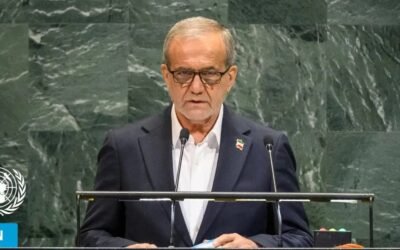
Executive Leadership Frictions: Iranian President Masoud Pezeshkian remarked during a televised address that direct communication with Supreme Leader Mojtaba Khamenei remains complex amid security constraints, while praising the Supreme Leader’s endorsement of broader strategic frameworks as critical to maintaining national unity against external economic and military pressure.
Strategic Analysis: The Geopolitical Balance of Power
The converging diplomatic and military developments signal a strategic inflection point across West Asia:
1. Shifts in Maritime Control Paradigms
The core point of friction in the US-Iran negotiation track centers on the structural precedent of maritime sovereignty over the Strait of Hormuz. Allowing Iran operational authority or toll-collection mechanisms over international transit routes would represent a major realigning factor in global energy logistics. Consequently, international shipping coalitions and Western allies are pressing to maintain the open-access status quo established under international maritime law.
2. The Interceptor Disparity and Strategic Sustainability
As high-intensity operations continue across multiple fronts, the burn rate of advanced air defense interceptors and precision munitions has emerged as a key factor governing military capability. The operational constraint on precision stockpiles highlights the challenge of sustaining high-intensity, multi-front engagements over extended timelines, driving renewed emphasis on achieving enforceable diplomatic agreements in both Rome and Gulf channels.