




Concerns about a possible fuel shortage in Pakistan have eased as several oil tankers carrying petroleum products have arrived at Port Qasim. The shipments come at a time when fuel prices have surged due to the ongoing tensions in the Middle East following the US-Israel conflict with Iran.
Fears of a petrol shortage in Pakistan began to subside on Tuesday as oil shipments began arriving at Port Qasim after fuel prices surged amid the ongoing US-Iran conflict in the Middle East.
According to Port Qasim Authority (PQA) spokesperson Asad Altaf Hussain Warsi, the… pic.twitter.com/5S7Av8o8Z1
— The Express Tribune (@etribune) March 10, 2026
According to the Port Qasim Authority spokesperson Asad Altaf Hussain Warsi, multiple vessels are scheduled to unload large quantities of fuel in the coming days, helping stabilise supply across the country.
Major Oil Shipments Reach the Port
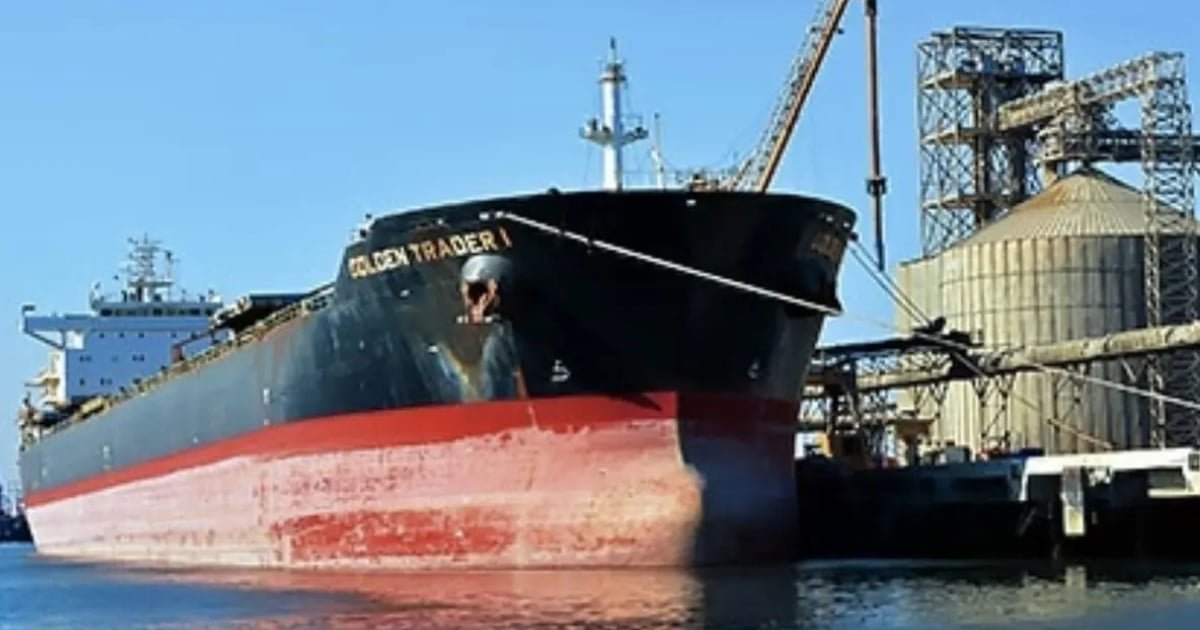
One of the vessels, Torm Damini, has already completed discharging around 37,000 metric tonnes of gas oil at the port. The unloading process took nearly 40 hours, and the ship is expected to depart soon. Another tanker, Nave Atropos, carrying approximately 50,000 metric tonnes of motor gasoline (Mogas) from Singapore, arrived on March 9. The vessel is expected to berth on March 11 and complete unloading within about 30 hours.
Meanwhile, the tanker Spruce II is bringing about 55,000 metric tonnes of Mogas from Sohar and is expected to arrive soon. A third tanker, Sea Clipper, carrying nearly 34,000 metric tonnes of gasoline from Fujairah, is also scheduled to reach the port.
Incoming Fuel Deliveries
Authorities say several shipments are lined up to ensure steady fuel availability in the country. Expected shipments include:
-
Torm Damini is delivering 37,000 metric tonnes of gas oil
-
Nave Atropos carrying 50,000 metric tonnes of Mogas from Singapore
-
Spruce II is bringing 55,000 metric tonnes of Mogas from Sohar, Oman
-
Sea Clipper is transporting 34,000 metric tonnes of gasoline from Fujairah
Officials say smooth port operations are being maintained to ensure the timely unloading and distribution of fuel supplies.
You May Like To Read: Pakistan Schools Move Online as Oil Crisis Forces Emergency Fuel-Saving Measures
Middle East Conflict Driving Oil Prices Up
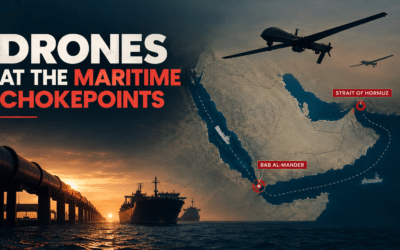
The global energy market has been shaken after the United States and Israel launched attacks on Iran that killed the country’s Supreme Leader, Ali Khamenei. In response, Iran carried out strikes across the Gulf and threatened shipping routes near the critical Strait of Hormuz.
As a result, Pakistan recently increased petrol and diesel prices by Rs55 per litre, adding pressure on households already struggling with rising transportation and food costs. Officials say the arrival of these fuel shipments should help stabilise supply and prevent a major shortage in the coming days.
Check out our latest video: