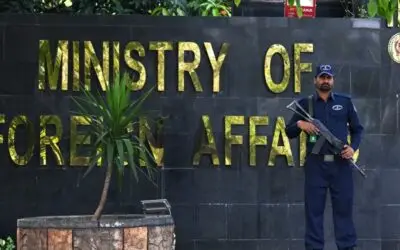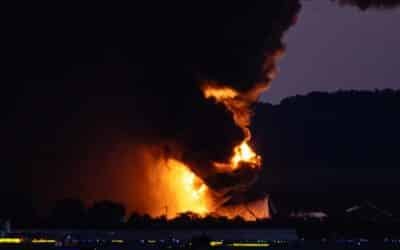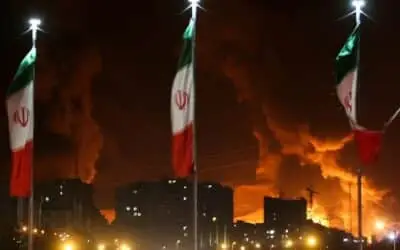





Several schools across Pakistan have moved to online learning after the government introduced emergency fuel-saving measures due to rising global oil prices. The decision follows escalating tensions in the Middle East involving the United States, Israel, and Iran, which have pushed energy costs higher and created fears of supply disruptions.
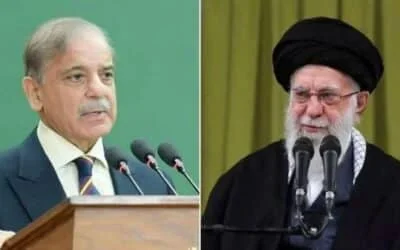
Shehbaz Sharif has announced a two-week break for schools across Pakistan as part of new austerity measures introduced to conserve fuel and energy during the ongoing global fuel cr_isis.
Under the plan, all higher educational institutions will shift to online classes while… pic.twitter.com/Dq9bLPX7Jh
— Startup Pakistan (@PakStartup) March 10, 2026
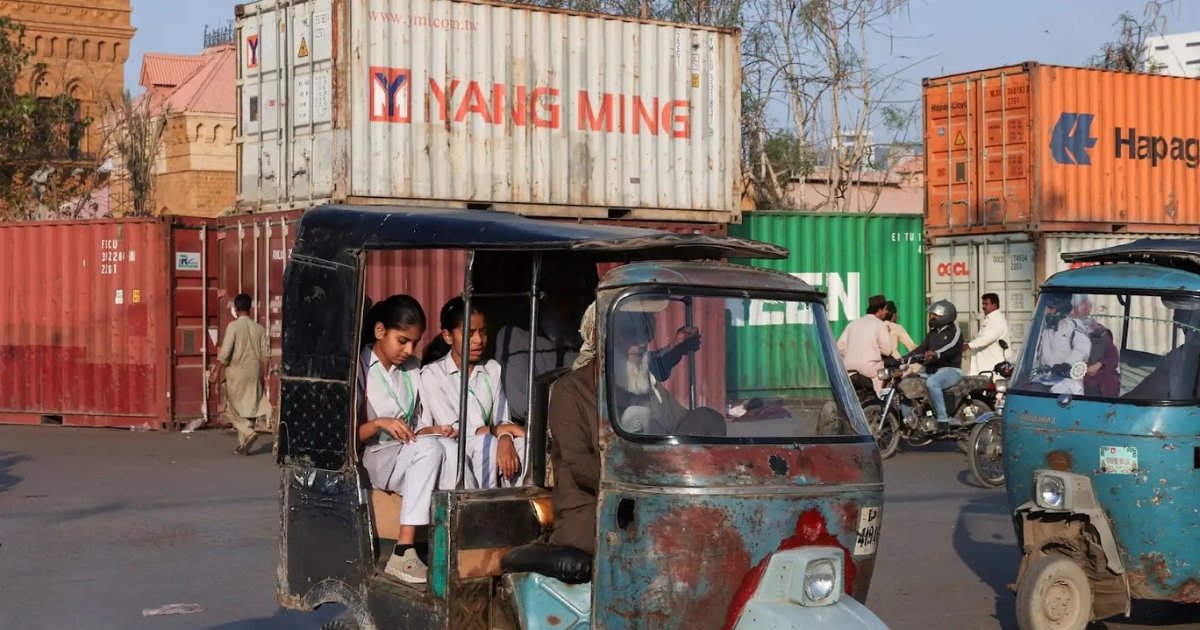
In cities such as Rawalpindi, parents reported receiving messages from schools informing them that classes would be conducted online while campuses remain temporarily closed. Authorities hope the move will reduce fuel consumption linked to school transportation and daily commuting.
Government Introduces Emergency Energy Measures
The government has rolled out a series of austerity measures to control fuel usage and manage the rising cost of energy imports. Pakistan relies heavily on imported oil, making its economy particularly vulnerable to global price shocks. Key measures announced include:
-
Temporary closure of schools and a shift to online classes
-
Remote work arrangements for some public and private sector employees
-
Reduced fuel allocations for official government vehicles
-
Broader efforts to cut national fuel consumption
Officials say these steps are necessary after oil prices surged due to fears that the conflict could disrupt shipments through the vital Strait of Hormuz, a route through which a large share of the world’s oil supply passes.
Education System Already Under Strain
Pakistan’s education sector is still recovering from disruptions caused by the COVID-19 pandemic, when schools remained closed for long periods, and millions of students had to rely on remote learning. During that time, nearly 40 million school-age children were affected. Limited internet access and a lack of digital devices meant many students could not fully participate in online classes, leading to significant learning losses.
You May Like To Read: Precision and Accuracy: PAF Conducts Intelligence-Based Strikes on TTP and ISIL-K Strongholds
Parents Fear More Disruptions
Parents have expressed concern that extended closures could again disrupt children’s education. Many families hope the current measures will last only a few days rather than weeks. Education experts warn that repeated school closures caused by crises such as pandemics, smog, extreme weather, and now rising fuel costs continue to put pressure on Pakistan’s already fragile education system.
If the oil crisis persists, analysts say Pakistan may face difficult choices between conserving energy and maintaining stable schooling for millions of students.
Check out our latest video: