




Introduction: Pakistan’s Long-Standing Financial Dilemma
Pakistan has, for decades, relied on a repeating cycle of external support to plug balance-of-payments gaps and to avoid defaults. That dependence on IMF programs, rollovers and bilateral loans from partners such as China, Saudi Arabia and the UAE, has become part of crisis management rather than a springboard for durable stability. The pattern raises the central question: can Pakistan realistically attain strategic autonomy while constrained by weak revenues, import needs and volatile capital flows?
You May Like to Read: IMF Beyond Loans: Does Pakistan’s Recurring Dependence Reveal a Structural Crisis in the Global Financial Order?
Recent Financial Landscape: Where Things Stand in 2025
The financial picture in 2025 shows some improvement but still leaves Pakistan vulnerable. An Extended Fund Facility (EFF) approved in September 2024 remains the centrepiece of stabilization efforts and the IMF has continued tranche releases after progress on targets. Foreign exchange reserves and financing assurances from Gulf partners and China helped avoid immediate default risks, and official data shows reserves and inflows improved in 2024–25 compared with the nadir years. Still, much of the external support has been rollover of existing commitments rather than binding new, sustainable capital.
You May Like to Read: Public Debt as Governance: How Borrowing Shapes Policy Priorities in Pakistan
Why Reliance Persists: Structural Roots of External Dependence
Reliance on external financing is not merely a policy choice; it reflects chronic fiscal weakness. Pakistan’s tax base is narrow, tax-to-GDP ratios have lagged peers, and informal economic activity plus enforcement gaps limit domestic revenue mobilization. On the liabilities side, large external debt service needs and a historically high import bill mean the country will continue to seek foreign financing unless domestic cushions grow. Analysts argue that IMF programs have imposed needed discipline, but without parallel, politically feasible structural reforms the underlying drivers remain.
You May Like to Read: 67 Years, and 24 Deals: Why Pakistan Cannot Break Free from the IMF?
Fiscal Options: Can Pakistan Raise Its Own Resources?
The most direct route to less dependence is stronger domestic revenue. That means widening the tax net, simplifying rates, improving administration, and curbing exemptions that favour narrow interests. Recent policy research and IMF technical notes point to a mix of better withholding systems, digitised tax administration, and targeted property and wealth measures as realistic steps. But higher tax collection must be paired with credible spending rationalisation; otherwise, more revenue will simply be absorbed by recurring current spending and debt service.
Expenditure Reform: Cutting Waste Without Hurting Growth
On the spending side, public finance gains will come from three places: trimming inefficient subsidies, improving public-sector enterprise governance, and reorienting spending to growth-enhancing areas such as agriculture, textiles and energy efficiency. Reforms that reduce leakages in welfare and energy, while protecting poor households through well-targeted transfers, can create fiscal space. That is politically hard but technically feasible if backed by strong monitoring and transparent communication to the public.
Managing External Financing: From Bailouts to Strategic Partnerships
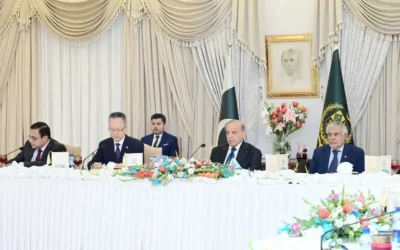
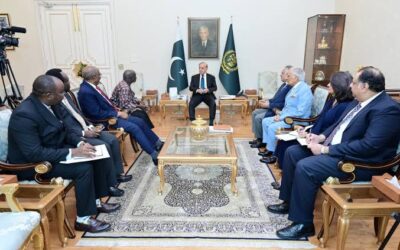
Short of immediate fiscal transformation, Pakistan will still need external partners. The strategic task is to convert ad-hoc bailouts and rollovers into longer-term, programmatic financing that supports investment and balance-sheet resilience. This includes swapping short-term commercial debt for concessional financing, extending maturities, and negotiating investment-linked facilities rather than pure cash rollovers. The September 2024 IMF arrangement and subsequent assurances from China, Saudi Arabia and the UAE illustrate how multilateral and bilateral packages can be combined, but they must be conditioned on a credible domestic reform package to avoid perpetuating dependency.
You May Like to Read: Remittances in Peril? The Risks of Global Recession on Pakistan’s Overseas Workforce
Exchange Rate, Monetary Policy and Reserve Management
A flexible and credible exchange-rate policy backed by adequate reserves reduces the need for emergency financing. Recent months have shown that remittances, export recovery and modest reserve rebuilding can buy breathing room, but maintaining import cover requires consistent macro policy. Building reserves through export promotion, diaspora bonds, and bilateral swaps is safer than one-off loan inflows. Central bank independence and clear communication of policy goals will also reduce market anxieties that trigger capital flight.
Structural Reforms for Sustainable Growth
Longer term, reducing external dependence means faster, more inclusive growth. That calls for supply-side reforms: easing business regulations, improving logistics, investing in human capital, and reviving export sectors where Pakistan has comparative advantage. A growth strategy that raises tax capacity automatically, by formalising more of the economy and broadening employment, is central. Donor and partner financing should therefore be tied more to measurable growth and reform milestones rather than short-term stabilization alone.
You May Like to Read: Policy as Crisis Management: Why Pakistan Struggles to Plan Beyond Election Cycles
Political Economy: Implementation Is the Real Test
The technical reforms above are well known; the harder part is implementation in a fragmented political landscape. Rent-seeking interests, short electoral horizons and weak intergovernmental coordination complicate reforms that bite. Successful examples will need cross-party guarantees, clear sequencing, and protection for the vulnerable. Building public trust through transparent reporting of how revenues are used, and showing early wins in service delivery, will make politically difficult reforms more durable.
Conclusion: A Realistic Path to Strategic Autonomy
Pakistan can reduce dependence on external bailouts, but not overnight. The path combines credible fiscal consolidation, aggressive revenue mobilisation, spending reforms that prioritise growth, smarter and longer-dated external financing, and structural measures to raise productivity. International partners can help, if their support is conditioned on measurable domestic reforms that create a virtuous cycle: higher growth, broader tax bases, larger reserves, and less need for emergency bailouts. Strategic autonomy is therefore achievable, but only as the end result of sustained domestic policy action backed by realistic external partnerships.