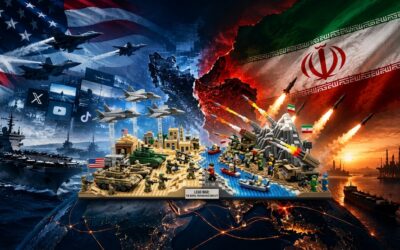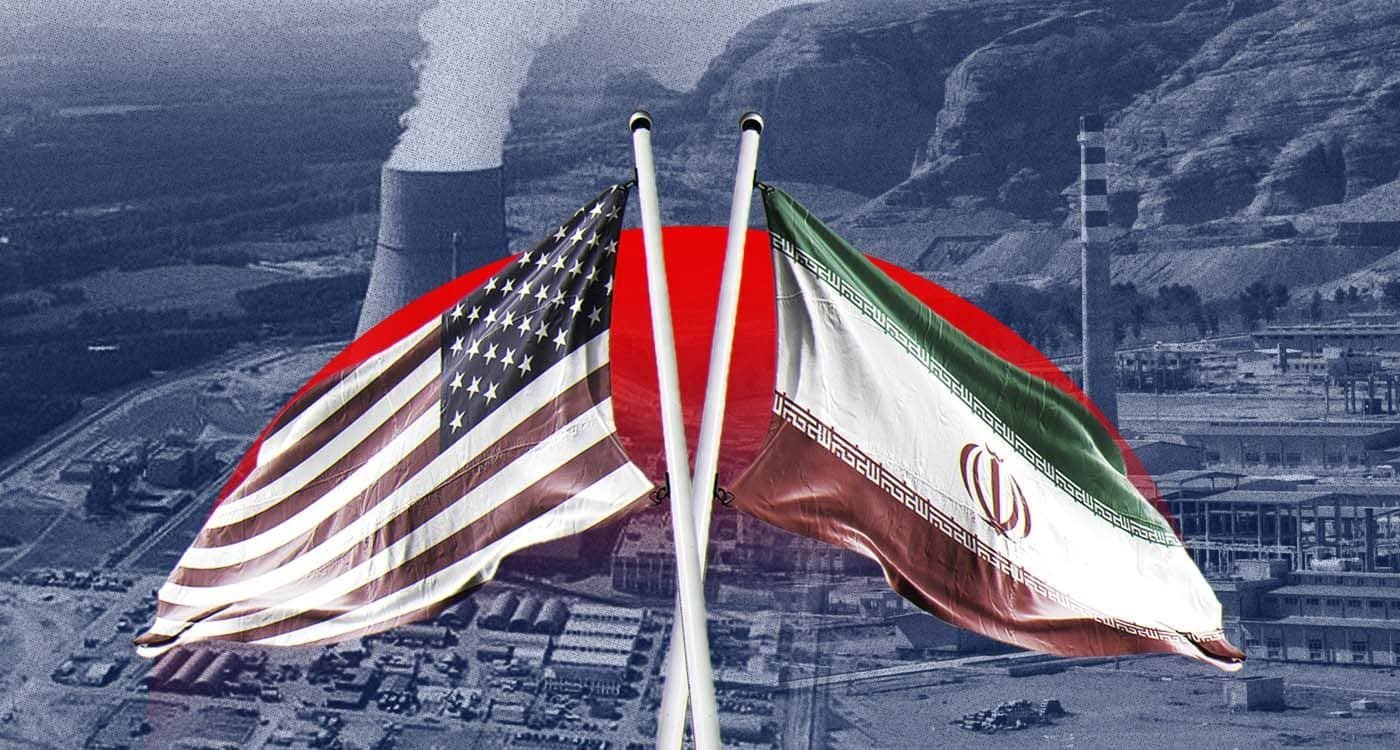



The US and Iran are reportedly close to a groundbreaking agreement that could reshape the Middle East and stabilize global oil markets. While both sides have signaled progress, the details reveal a complex and nuanced path forward.
Key Developments
- “Largely Negotiated” Agreement: President Trump announced significant progress, with Secretary of State Marco Rubio hinting at “good news” soon. Iran’s Foreign Ministry spokesman, Esmaeil Baqaei, acknowledged a “trend towards rapprochement” but cautioned that a final agreement on major issues is not guaranteed.
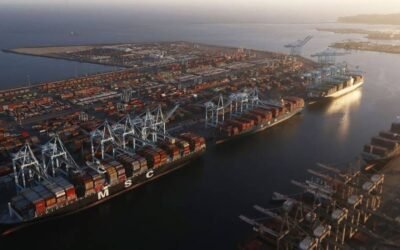
- Strait of Hormuz Reopening: A critical element of the proposed agreement is the reopening of the Strait of Hormuz, a vital oil shipping lane currently under Iranian control. This would bring significant relief to global energy markets. However, Iranian news agencies Fars and Tasnim suggest Iran would maintain management of the strait, and that a naval blockade on Iranian ports would be lifted within 30 days.
- Nuclear Question: A Contentious Point: Baqaei stated that the nuclear issue would be addressed in separate discussions later. However, the New York Times, citing unnamed US officials, reported that Iran would commit to giving up its stockpile of highly enriched uranium. This is directly contradicted by Fars and Tasnim, which assert Iran has made no such commitments and that nuclear-related issues would be negotiated within 60 days of an initial understanding. Israeli Prime Minister Benjamin Netanyahu emphasized that any final deal must “entirely eliminate the nuclear threat,” including dismantling enrichment facilities and removing enriched material.
- Sanctions and Frozen Assets: Iran demands the release of frozen assets held under US sanctions. Tasnim reports that Iran insists on partial access to these assets as a precondition for any initial understanding and a clear mechanism for continued release of blocked funds. Fars adds that the US would temporarily lift sanctions on oil, gas, and petrochemicals during negotiations.
- Lebanon’s Role: Iran has consistently demanded that any ceasefire apply to all fronts of the regional war, including Lebanon. Tasnim indicates that an initial Memorandum of Understanding (MoU) would declare an end to fighting on all fronts, with Israel expected to halt its actions in Lebanon.
Critical Analysis
The conflicting reports, particularly regarding the nuclear issue and the Strait of Hormuz, highlight the significant hurdles that remain. The US and Israeli positions on Iran’s nuclear program appear to be at odds with Iranian statements, suggesting a potential for a less comprehensive initial agreement than some anticipate. The differing interpretations of who would control the Strait of Hormuz also present a potential sticking point.
The emphasis on an initial “memorandum of understanding” or “framework agreement” before a final deal suggests a staged approach, allowing both sides to manage expectations and gradually build trust. The inclusion of Lebanon in a broader ceasefire is a crucial Iranian demand, underscoring the interconnectedness of regional conflicts.
🔴 The potential preliminary agreement between Iran and the US will be called the “Islamabad Declaration,” senior sources tell Al Arabiya
🔴 The preliminary agreement is an MoU that will be followed by negotiations on a final deal covering outstanding issues, senior sources tell… pic.twitter.com/jdzj0zTeom
— Al Arabiya English (@AlArabiya_Eng) May 24, 2026
Hopes are soaring as the United States and Iran appear on the cusp of a potentially transformative agreement, promising to de-escalate tensions in the Middle East and bring much-needed stability to global energy markets. While key leaders on both sides have expressed cautious optimism, the path to a final resolution remains intricate, marked by differing interpretations on critical issues.
President Donald Trump recently announced that a deal has been “largely negotiated,” a sentiment echoed by US Secretary of State Marco Rubio, who hinted at “good news” on the horizon. From Tehran, Iran’s Foreign Ministry spokesman, Esmaeil Baqaei, acknowledged a “trend towards rapprochement” but underscored that a definitive agreement on all major issues is still in progress.
A central component of this emerging understanding is the anticipated reopening of the Strait of Hormuz, a vital artery for global oil shipments. This development could significantly ease pressures on international energy markets. However, Iranian state news agencies Fars and Tasnim suggest that Iran would maintain a crucial role in managing the strait, with the agreement potentially leading to the lifting of US naval blockades on Iranian ports within a month.
The nuclear question remains a delicate and highly contested area. While Iran’s Baqaei indicated that nuclear issues would be addressed in subsequent discussions, reports from the New York Times suggest a potential commitment from Tehran to relinquish its stockpile of highly enriched uranium. This is directly countered by Iranian media, which asserts that no such nuclear commitments have been made and that these sensitive discussions would unfold over the 60 days following an initial understanding. Israeli Prime Minister Benjamin Netanyahu has also weighed in, emphasizing that any final deal must definitively neutralize Iran’s “nuclear threat,” including dismantling enrichment facilities.
Sanctions and the release of frozen assets are also at the forefront of negotiations. Iran is reportedly demanding partial access to its frozen funds as a prerequisite for any initial agreement, along with a clear mechanism for the continued release of all blocked assets. Furthermore, Fars news agency indicates that the US may temporarily lift sanctions on Iranian oil, gas, and petrochemicals during the negotiation period.
Adding another layer of complexity, Iran has consistently linked any regional ceasefire to all fronts of the ongoing conflict, including Lebanon. Tasnim news agency suggests that an initial Memorandum of Understanding would include a commitment to end fighting across the region, with the expectation that Israel, as a US ally, would halt its military actions in Lebanon.
As the world watches with bated breath, the coming weeks will reveal whether these initial breakthroughs can be solidified into a lasting agreement that reshapes the geopolitical landscape of the Middle East and beyond. The intricate dance of diplomacy continues, with high stakes for all involved.