Five years after capturing Kabul on August 15, 2021, the Taliban regime has entrenched one of the world’s most severe human rights crises while systematically dismantling the fundamental rights of women and girls across Afghanistan. According to a comprehensive five-year timeline released by Human Rights Watch, sweeping restrictions on employment, movement, and public life have created a systemic apparatus of social control and dissent suppression.
Compounding the political repression, Afghanistan is suffering from an acute humanitarian crisis, leaving nearly 40 percent of the country’s population—over 17 million people—in urgent need of food assistance and basic aid.
A cinco años de su regreso al poder, los talibanes agravan la crisis de derechos humanos en Afganistán https://t.co/mHc8Icu7mF
— Human Rights Watch (@hrw_espanol) August 3, 2026
Institutionalized Repression of Women and Girls
Over the past five years, Afghanistan has become the only nation worldwide to enforce a complete ban on secondary and higher education for female students. The regime’s morality police have systematically enforced gender segregation and strict dress codes through public surveillance, arbitrary arrests, and workplace raids:
-
Erasure from Public Life: Women remain barred from most formal employment sectors, restricting economic self-sufficiency and limiting their ability to lead or participate in public affairs.
-
Movement Restrictions: Female citizens are prohibited from traveling standard distances without a male guardian (mahram), severely obstructing access to basic healthcare, economic opportunities, and emergency aid.
-
Dismantling Legal Protections: Recent legislative decrees, including a revised criminal procedure code enacted on January 4, 2026, only recognize “excessive” physical beatings as domestic violence, removing legal avenues of justice for survivors of domestic abuse.
-
Child Marriage Risks: Judicial separation decrees issued by Taliban authorities have effectively removed minimum-age protections for marriage, escalating the risk of forced and child marriages across rural and urban provinces alike.
Codification of Religious Discrimination and Media Censorship
Beyond gender persecution, the Taliban authorities have instituted legislative reforms to restrict broader civil liberties, freedom of expression, and religious plurality:
-
Sectarian Legal Restraints: The January 2026 criminal procedure code and the newly implemented Preachers Law mandate exclusive adherence to Hanafi jurisprudence across legal and religious institutions. Non-Hanafi religious communities, including Shia Muslims, have been formally designated as religious heterodoxies, embedding structural discrimination into state law.
-
Crackdown on Dissent and Media: Local news organizations and civil society platforms face strict state censorship. Independent journalists, academics, human rights defenders, and political critics have faced widespread intimidation, arbitrary detentions, and torture.
Escalating Humanitarian Crisis and Refugee Returns
The humanitarian landscape in Afghanistan has deteriorated significantly due to drastic cuts in international donor funding, combined with mass forced repatriations from neighboring states:
-
Aid Shortfalls: Significant reductions in financial support from major donors—including the United States and the United Kingdom—have forced humanitarian agencies to scale down vital food distributions and medical programs. Mandatory male guardian requirements for female aid workers further restrict humanitarian access.
-
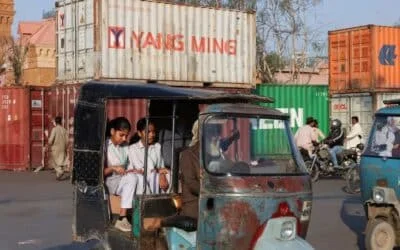
Forced Repatriations: Surrounding nations, including Iran and Pakistan, have forcibly deported millions of Afghan refugees, while European nations including Germany resumed forced deportations. On June 22, 2026, European Union representatives met with a Taliban delegation in Brussels to discuss regional migration protocols.
-
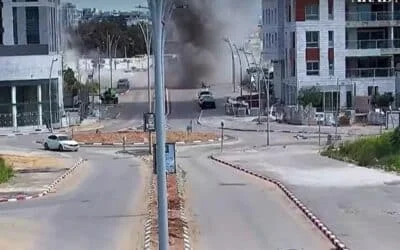
Cross-Border Security Toll: Military frictions along the border have resulted in high civilian casualties. Notably, a March 16 Pakistani airstrike targeting the Omid Drug Rehabilitation Center in Kabul resulted in 269 civilian deaths and over 122 injuries, according to United Nations figures.
Strategic Analysis: The International Response and Accountability Mechanisms
The fifth anniversary of the Taliban’s takeover highlights an enduring tension between diplomatic engagement and international accountability mechanisms:
Operationalizing International Investigative Mechanisms
Following years of impunity, international justice mechanisms reached a major milestone on October 6, 2025, when the United Nations Human Rights Council adopted a landmark resolution establishing an independent investigative body. Mandated to gather, analyze, and preserve evidence of serious violations committed by all parties to the conflict, this body—alongside ongoing investigations by the International Criminal Court—represents the main international legal instrument for prosecuting gender persecution and war crimes.
Dilemma of Diplomatic Normative Engagement
Donor nations and regional neighbors face an acute dilemma balancing humanitarian assistance against recognizing an un-elected regime that systematically denies basic human rights. While economic stabilization and migration management necessitate dialogue with Taliban authorities, international organizations urge governments to condition formal engagement on measurable progress in restoring fundamental rights, halting forced returns, and fully resourcing independent accountability channels.