



Historical Evolution
More than 4 decades ago, the history of the Afghan refugees in Pakistan started with the Soviet invasion of Afghanistan in 1979. The unrest in Afghanistan resulted into a mass exodus, by the mid-eighties, Pakistan had received more than 3 million Afghan refugees—these people settled mostly in Khyber Pakhtunkhwa and Balochistan. Thereafter, the Afghan civil war, the emergence of Taliban in the 1990s, and the U.S.-led intervention after 2001 only increased the flow of refugees to Pakistan. To control the refugee population, Pakistan established the Proof of Registration (PoR) cards, followed by Afghan Citizen Cards (ACC) cards, still a large part of Afghan population remained undocumented.
The dynamics of repatriation further complicated when the Taliban took power in August 2021 stricter borders led to fewer refugees, culminating in Pakistan’s 2023 Illegal Foreigners Repatriation Plan for coerced returns. As of June 2025, almost 1 million Afghans were repatriated, posing humanitarian concerns over Pakistan, which was facing enhanced security and economic pressures.
Repatriation Drive: Policies and Implementations
The repatriation of Afghan nationals with the Illegal Foreigners Repatriation Plan of Pakistan, started at the end of 2023—still under process. This policy initially designed to target undocumented persons, but has now extends to the holders of the Afghan Citizen Card (ACC), and is projected to be extended to the Proof of Registration card owners. The reasons behind these policies are rising national security concerns, border control, and even fiscal issues.
The PoR cards in 2007, and ACC system in 2016, were created to enroll Afghan refugees. The most vulnerable have been the undocumented Afghans, i.e., people who cannot show any type of identification, they can be arrested and deported. The international humanitarian communities, especially UNHCR and the IOM, have been offering services in the repatriation centers in terms of shelter, medical care, as well as logistics services. They have also been lobbying for an orderly, humane, and rights-compliant repatriation process.
Security Concerns
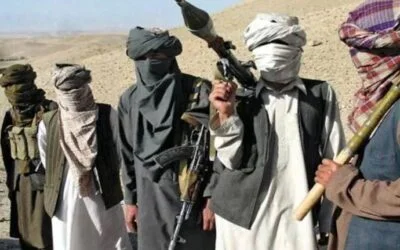
The emerging threat of increased infiltration by militant elements in the refugee groups has catalyzed the aggressive repatriation policy of Pakistan. The uncontrolled refugee camp, previously have been used by groups like the Fitna-al-Khawarij and the Islamic State Khorasan Province (ISKP) to recruit, regroup or go in to hiding—particularly along the outskirts of frontier states such as KP and Balochistan. Inadequate biometric screening and border surveillance, have made it difficult to distinguish between real asylum seekers and militants in the guise of refugees.
Socio-Economic and Political Implications
The prolonged stay of Afghan refugees has put a significant load on local resources, especially on economically weak provinces such as KP and Balochistan. Poor access to houses, education, care, and jobs has caused frustration among communities, leading to increased xenophobia and ethnic tensions. Such situations have been politically instrumentalized, and refugees have been accused of committing crimes, causing terrorism, and labor troubles. The economic and political instability, domestically, has made the situation worse; therefore, expulsions are being carried out in the name of national interest and sovereignty.
Regional and International Aspects
One of the main reasons for the chaotic repatriation process is the inability of the Afghan government to absorb and reintegrate repatriates, especially in the absence of well-established infrastructure and employment opportunities. Meanwhile, Iran’s own deportations and shifting border policies have intensified regional refugee pressures. The humanitarian response in terms of funding and humanitarian aid is significantly lacking, agencies like UNHCR are strained and under-provided. Such restrictions obstruct the aim of having safe, voluntary, and dignified returns, and they reveal the discrepancy between the international standards of protecting refugees and the situations in the political landscape in South Asia.
Challenges of Repatriation
Ongoing repatriation process of the Afghan refugees in Pakistan has led to a heated debate, some international rights groups such as Amnesty International and UNHCR have cautioned that the return of Afghan refugees has been forced and it was not voluntary. Refugees have also testified to forced evictions, arrests, and police harassment, particularly the undocumented Afghans. The United Nations has urged successive repatriation to be carried out by international practices, such as the principle of non-refoulement, i.e., returning individuals to a nation where they would suffer any personal injury.
Within Afghanistan, there is poor livelihood, a lack of employment opportunities, and insecurity among the returnees. As it was stated by the UN in the June 2025 update, more than 1.2 million Afghans returned in the last 12 months, which puts enormous pressure on a weak infrastructure and services. Women, children, and vulnerable populations are at particular risk, with most being victims of gender-based constraints, a lack of healthcare, and having no recourse to education or shelter. International aid is insufficient to support the increasing needs, and, therefore, it is close to impossible to implement a sustainable reintegration
Conclusion
The issue of the repatriation of Afghanistan refugees in Pakistan is indicative of a hard trade-off between national security and humanitarian responsibility. The fears about militants’ infiltration are understandable therefore, appropriate steps need to be taken. As a result of the ongoing crisis, it is appropriate that various countries partner and come up with funds and humane policies to support the refugees.